
How the library became one of the most important rooms in a hotel
Reading rooms are an expression of a building’s character, while cultural programmes spanning book swaps, clubs and guest curations mark a new chapter for the hotel library
Hotels and literature have long been intertwined. Rudyard Kipling wrote parts of The Jungle Book at Brown’s Hotel in London, while Agatha Christie composed Murder on the Orient Express not on a train, but from room 411 at the Pera Palace in Istanbul. The Mint Hotel was immortalised in Hunter S. Thompson’s Fear and Loathing in Las Vegas, after he spent a night feverishly scrawling notes on hotel stationery that would later form the basis of his first draft.
Filmmaker and author John Waters famously said: “If you go home with somebody, and they don’t have books, don’t f*** ’em.” We’d be inclined to say that if a hotel has no books, don’t stay there. And literary curations have never felt more relevant than now, as hospitality brands increasingly look to books and writers to shape their cultural identity, while dedicating considerable space to reading rooms, libraries and literary salons.

Ham Yard Hotel in London, part of the Firmdale hotel group, is home to one of the city’s most renowned hotel libraries, lined with some 4,500 cloth spines curated by Ultimate Library and its founder, Philip Blackwell. There is an honesty bar, where guests can pour themselves a glass of wine, just as they might at home. The hotel’s recently redesigned suites also include reading nooks with titles that reflect British literary and cultural history.
This interest extends across Firmdale’s portfolio, including Charlotte Street, where books sit alongside original artwork by Vanessa Bell. For its 2027 opening, Bedford Place in Bloomsbury, co-founder Kit Kemp has enlisted Mayfair bookshop Heywood Hill to curate the library. “Guests can take in a hotel’s interiors and personality through its books,” says Kemp. “At a time when people are increasingly looking to step away from screens, they provide a space for meaningful connection.”

Beyond the books
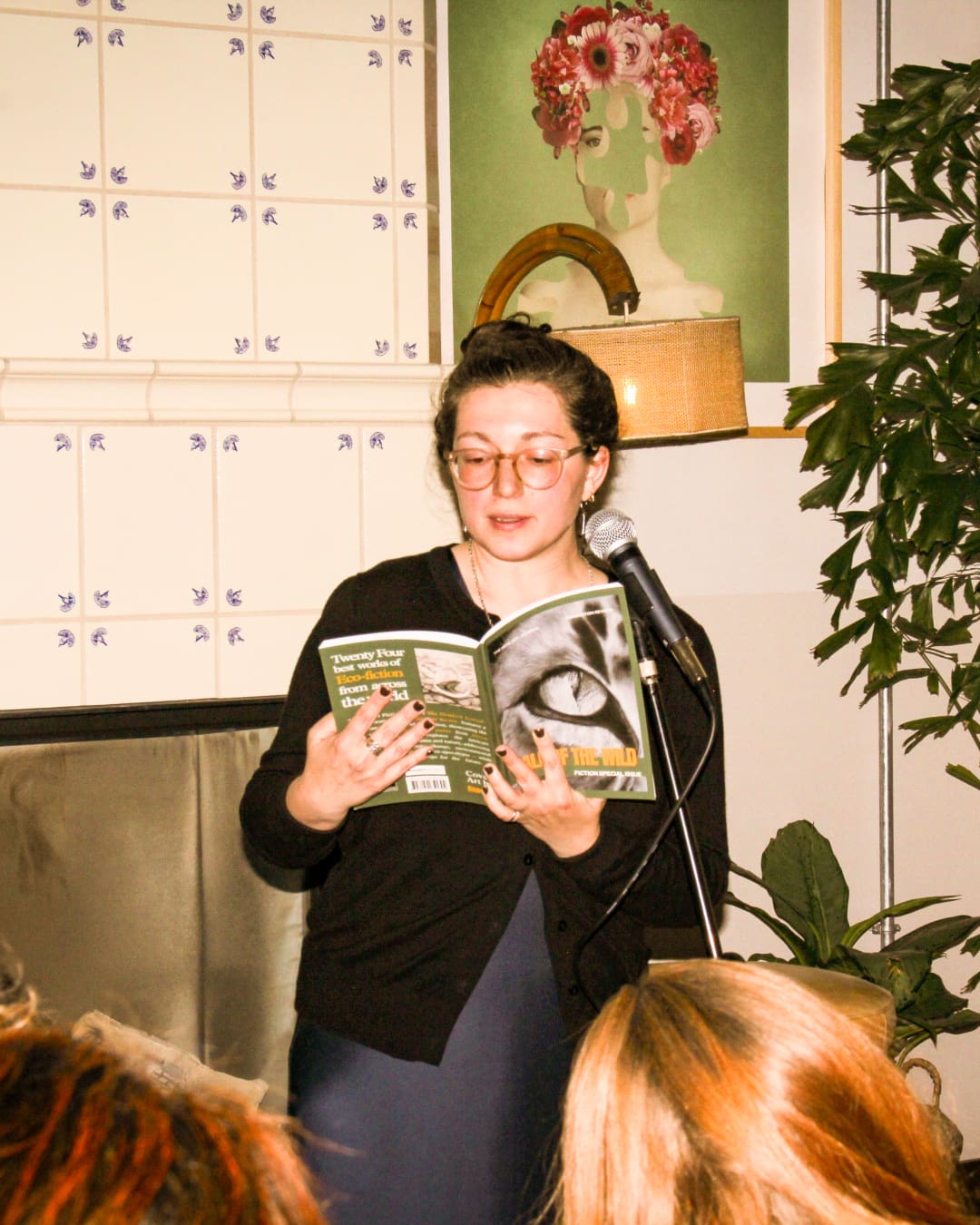
Hotel libraries are not new, but the role they play is changing, evolving from simply a place to sit to an active cultural space. The Hoxton has a robust reading programme across its hotels, including poetry slams and book clubs. In Berlin, author and poet Demi Antler hosts monthly creative writing workshops and a quarterly open-mic event.
In London, Working From_, Hoxton’s membership-based co-working space, has libraries across its seven floors, with books available for guests to borrow. The hotel group has also leaned into the social rise of “read-ins”, where the traditionally solitary act becomes a social occasion.
“Our books are there to be picked up and enjoyed rather than simply looking good on a shelf,” says Martina Luger, Ennismore’s chief brand officer. “As The Hoxton’s open-house approach to its lobbies has become more established, the role of books and literature within our hotels has evolved too.”

Soft socialising
Libraries reflect the growing appetite for “soft socialising”. They are the antithesis of a crowded bar, but offer a similar sense of intimacy and presence. Like a listening lounge, they create an environment for people to feel connected without the expectation to interact.
“Shared reading spaces create opportunities for connection that feel natural rather than curated,” says Joseph Turano, chief operating officer at newly opened The Webster in Covent Garden. The hotel draws on the area’s rich literary heritage: Charles Dickens studied law nearby and found inspiration for some of his most enduring characters in its cobbled streets. Each floor of the hotel features a handpicked selection of titles, with literary salons and book club events planned for 2027. “We want books to be an accessible part of the guest experience. It’s a simple way to bring a sense of curiosity and personal connection into the stay.”
Much like the current boom in listening bars, the concept has roots in Japan, where libraries have long been treated as cultural living rooms. One of the most well-known examples is Hakone Honbako, a hot springs hotel where 12,000 books are spread throughout the property’s shared spaces.
Many bookshops also offer an affordable place to stay, such as Novels, a hostel in Komoro, Nagano, where travellers connect over coffee and reading. Book and Bed in Tokyo takes this one step further, with beds built into shelves and the experience of sleeping among books at its core.
Literary curation can offer a window into the place you’re visiting, with titles that reflect its history and character. From soaring lobby libraries to book clubs and considered reading recommendations, these hotels put books at the heart of the stay.
Hotel libraries for creative thinkers around the world
Stamba Hotel, Tbilisi, Georgia
Why we rate it: An extraordinary reading collection and bookshop
Address: 14 Merab Kostava Street, Tbilisi 0108, Georgia
Price: From 160 USD per night
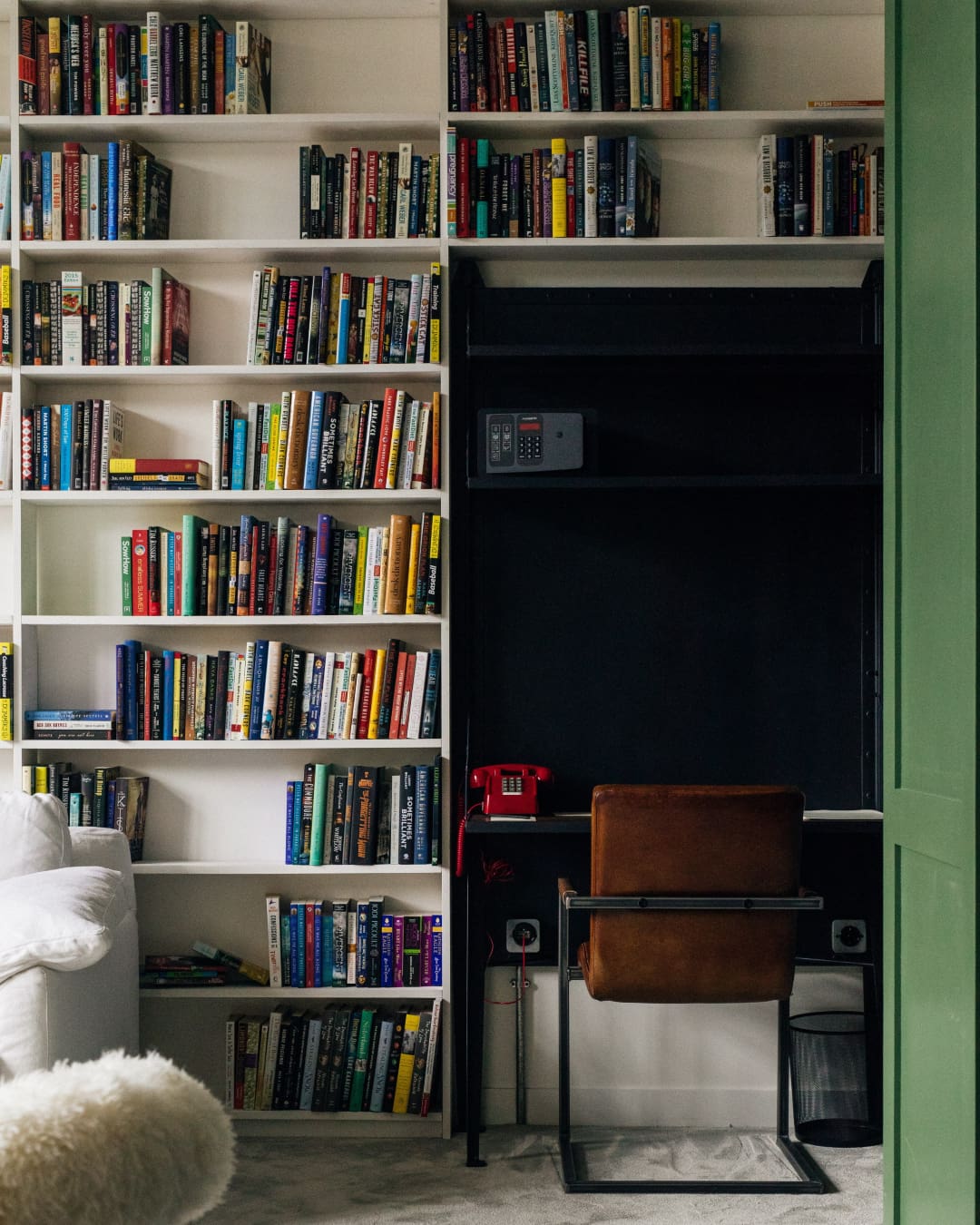
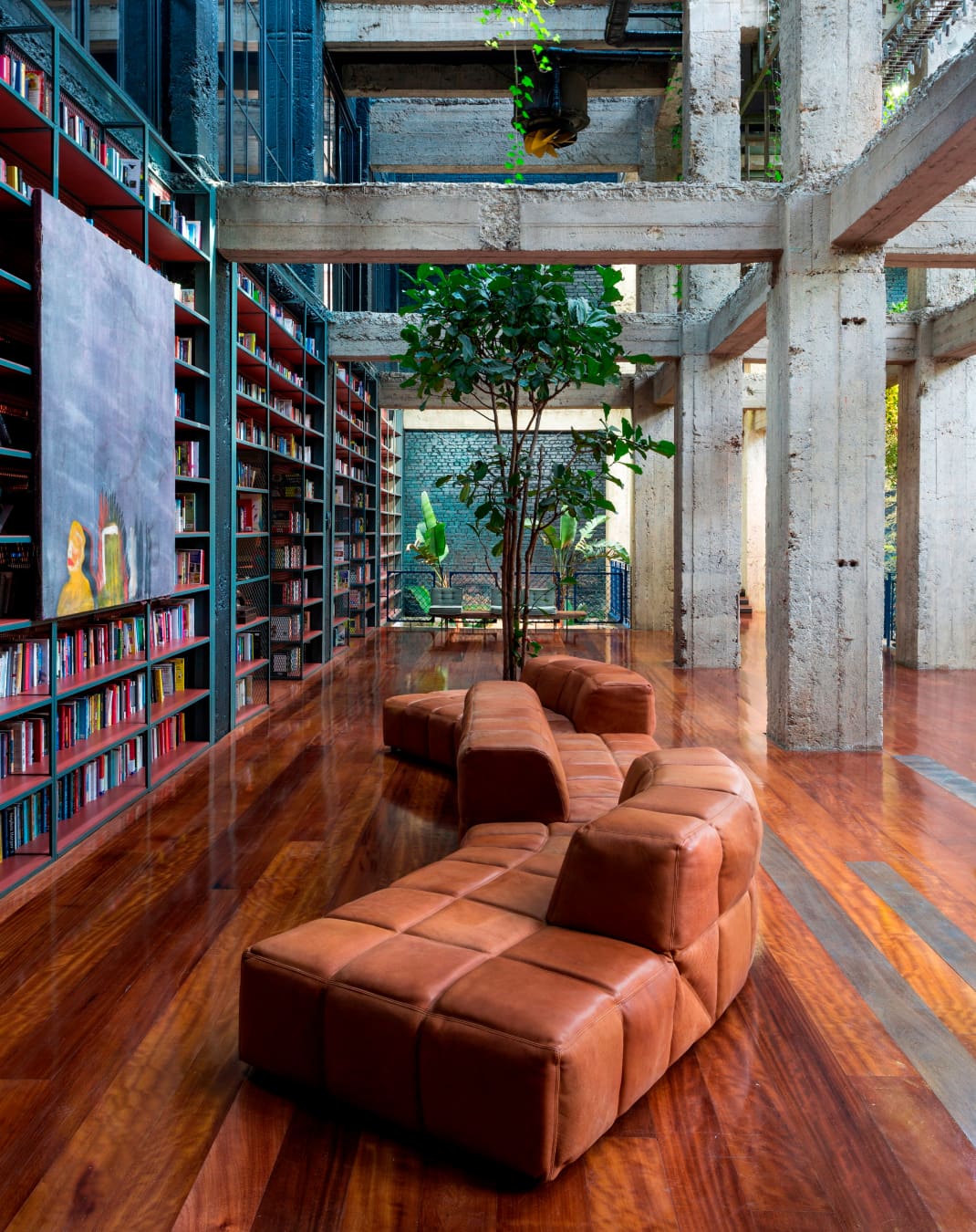
This design-orientated hotel occupies a converted Soviet-era publishing house. A collection of 80,000 books keeps the building’s legacy alive, lining the five-storey atrium and appearing throughout the public spaces and guest rooms. There is an additional library housed within the hotel’s D-Block co-working space, with a weekly book club. An onsite bookshop presents acclaimed Georgian works alongside English-language titles.
The Mercer, New York, US
Why we rate it: Design tomes chosen by Dashwood Books
Address: 147 Mercer Street, New York, NY 10012
Price: 1,025 USD per night
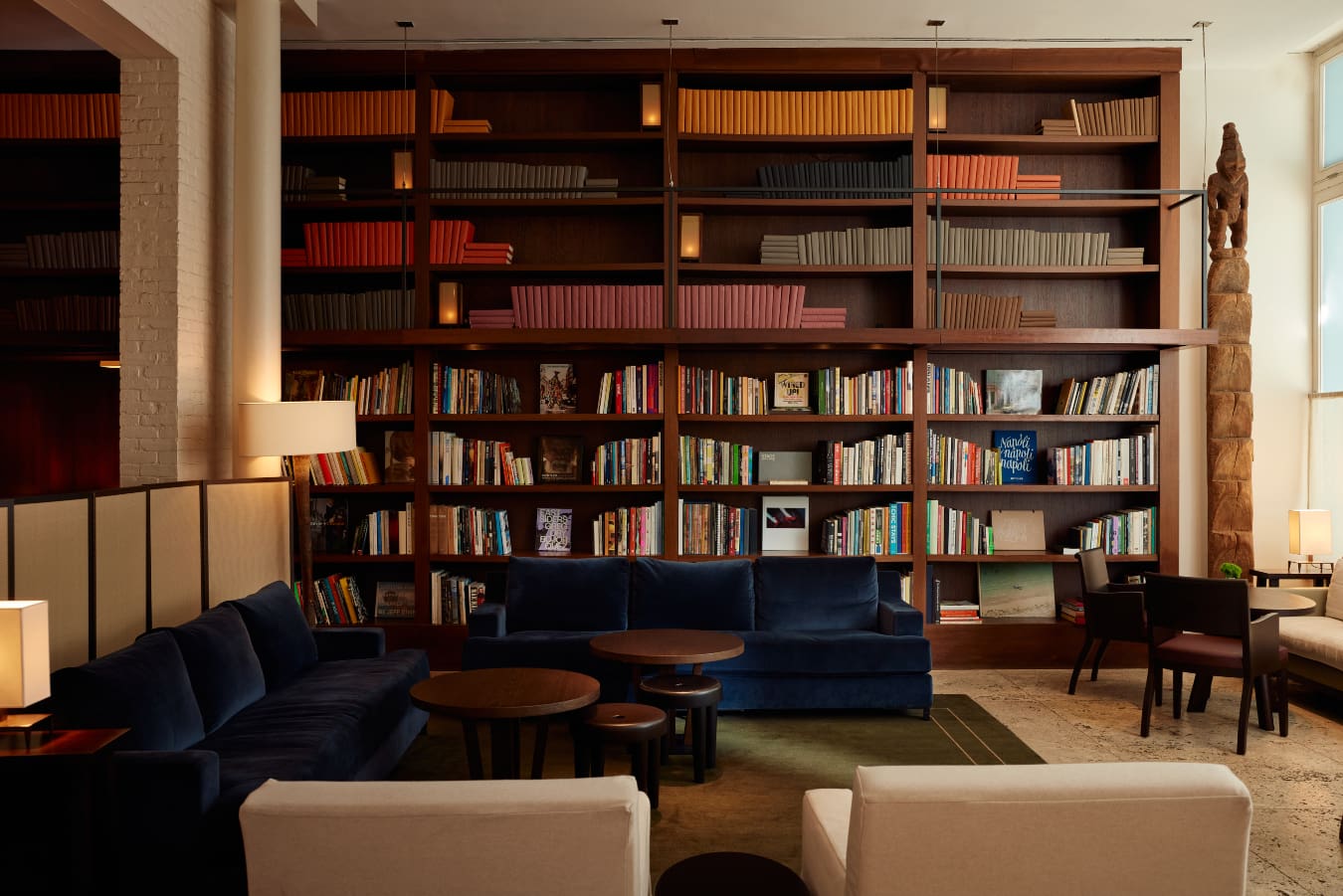
The Mercer’s private lobby is reserved exclusively for hotel guests and conceived as a communal living room rather than a traditional hotel reception. A floor-to-ceiling library is stacked with titles selected by David Strettell, founder of nearby Dashwood Books. The independent bookshop is known for its specialist photography collection, and brings a similarly creative eye to the shelves at The Mercer, with a focus on art, architecture, fashion and design. Absent of music, The Mercer will mirror your favourite library, only with cocktails and antipasti from Sartiano’s Italian restaurant delivered to your seat.

The Hoxton, Dublin
Why we rate it: Fireside book clubs and local writers
Address: 1–5 Exchequer Street, Dublin, D02 E044
Price: 180 USD per night
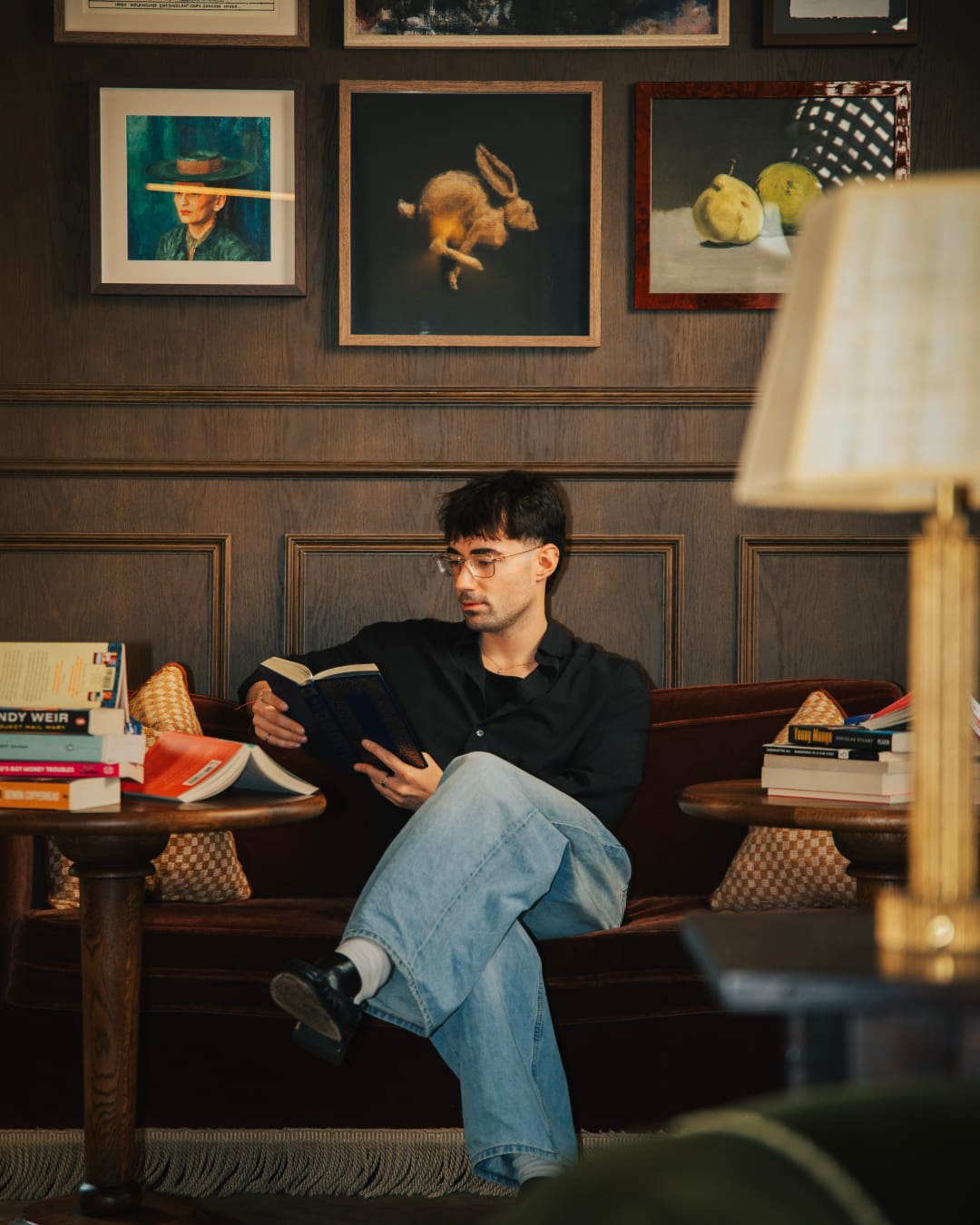
The Library Bar at The Hoxton, Dublin takes its name from the building’s long history as a meeting point for artists and writers in the city. Timber panelling and book-lined walls frame the space, met by Hoxton’s signature trappings of velvet sofas. Contemporary reads focus on Irish authors and voices, selected by independent publisher Lilliput Press and Gill Books. There are two monthly book clubs: Read Between the Wine and Bragging Rights, the latter organised by Adam Smyth.
The Standard, London
Why we rate it: Public library meets cocktail lounge
Address: 10 Argyle Street, King’s Cross, London WC1H 8EG
Price: From 220 GBP / 296 USD per night
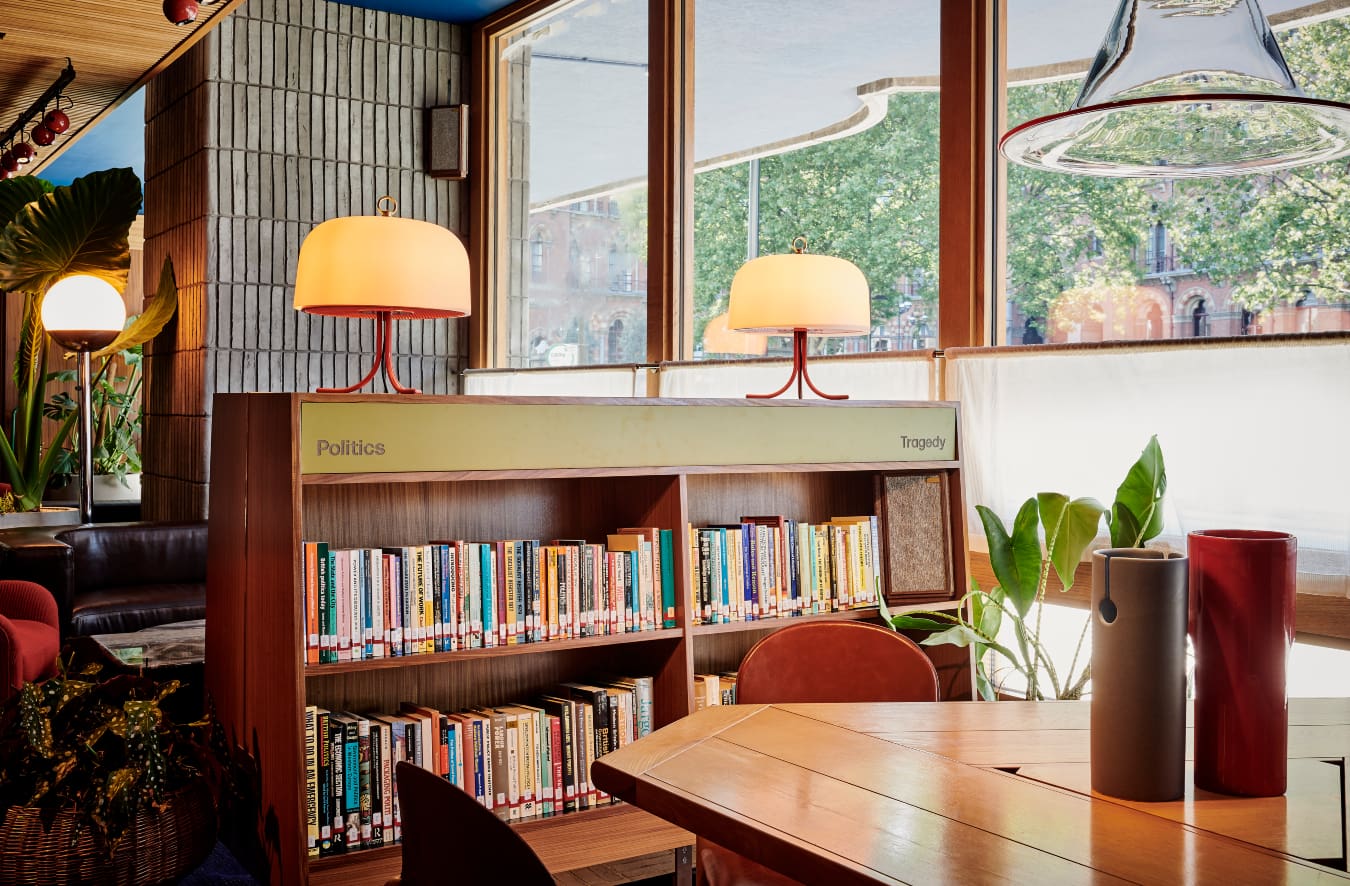
In London, The Standard occupies a building once home to Camden Council’s public library. In a nod to its past, wall-to-wall books are ordered by category, much like a public library, comprising some 3,000 titles. A largely non-fiction selection has been sourced from second-hand bookshops, including Skoob, Judd Books and Gay’s the Word. The hotel regularly hosts author talks and guest curations, while guests are encouraged to settle into the cosy space and thumb through topics ranging from science to humanity to adult relationships.

Hotel Lilien, New York, USA
Best for: A cosy reading room in the Catskills
Address: 6629 Route 23A, Tannersville, New York
Price: 284 USD per night
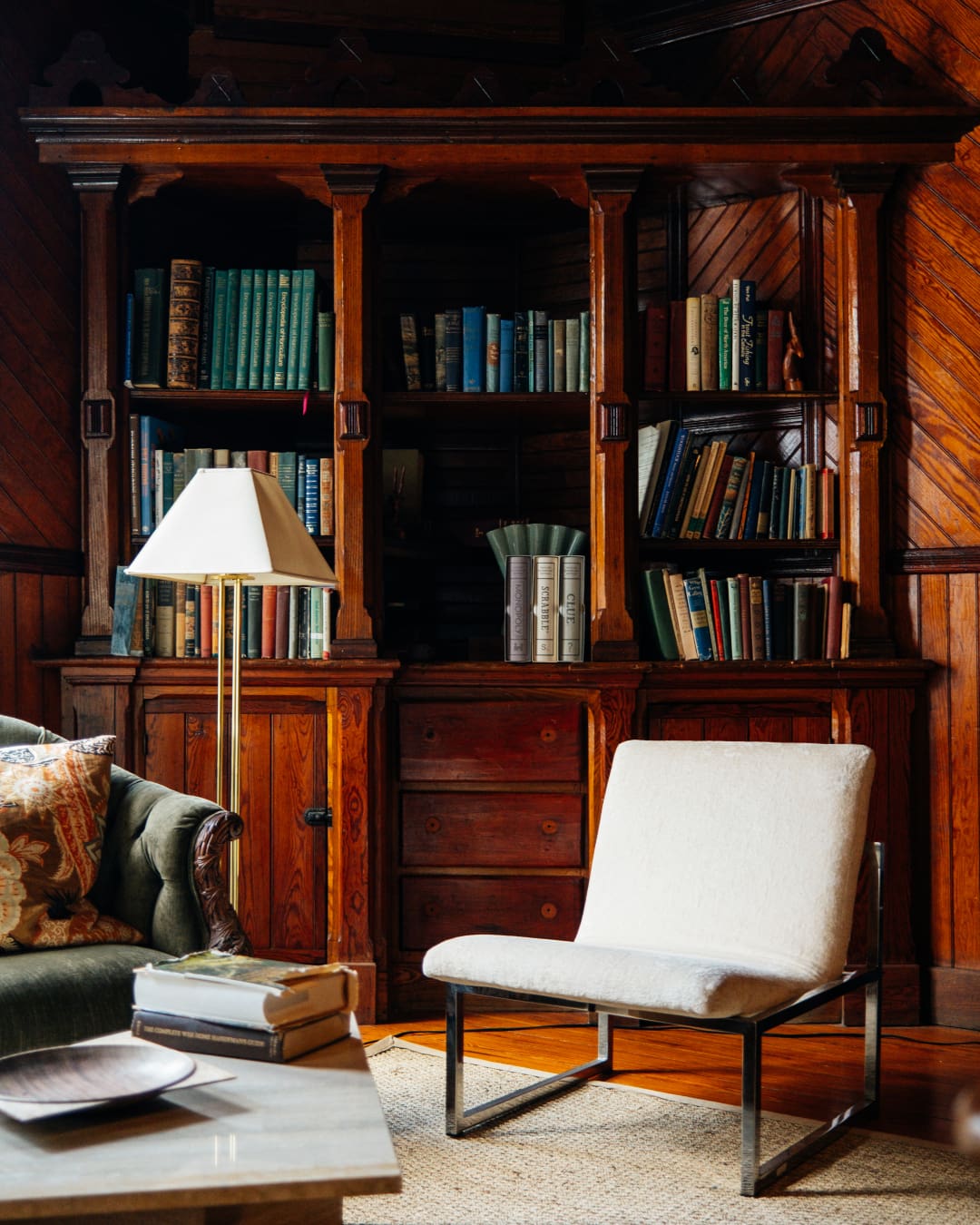
Libraries don’t need to be large to make an impression. In the Catskills near Kaaterskill Falls, Hotel Lilien is known as Tannersville’s unofficial living room. The building’s 19th century wood-panelled library has been preserved, stacked with vintage and contemporary reads, the latter picked by Books Are Magic, a Brooklyn-based shop owned by novelist Emma Straub. Sink into comfortable couches by a flickering fire, or snag the private reading nook found on the third floor corridor.


Capsule Hotel and Bookstore in Village Qinglongwu, Tonglu, China
Why we rate it: Sleeping among the books in a forest village
Address: Qinglongwu Village, Tonglu County, Zhejiang Province, China
Price: On request
Located deep in the forests of Tonglu in Zhejiang province, this capsule hotel resides in a bookstore and library. But not just any bookstore; designed by Beijing architecture practice Atelier Tao+C, the original timber-and-mud structure was stripped back to create a double-height library, while a timber-framed transparent wall frames the surrounding mountains. By day, the space is flooded with natural light; in the evening, it glows like a lantern in the forest. Two floating structures house 20 modular capsule rooms, hidden between bamboo bookshelves.
Park Hyatt, Tokyo, Japan
Why we rate it: Curated tomes and Le Corbusier furniture
Address: 3-7-1-2 Nishi-Shinjuku, Shinjuku-ku, Tokyo
Price: 836 USD per night
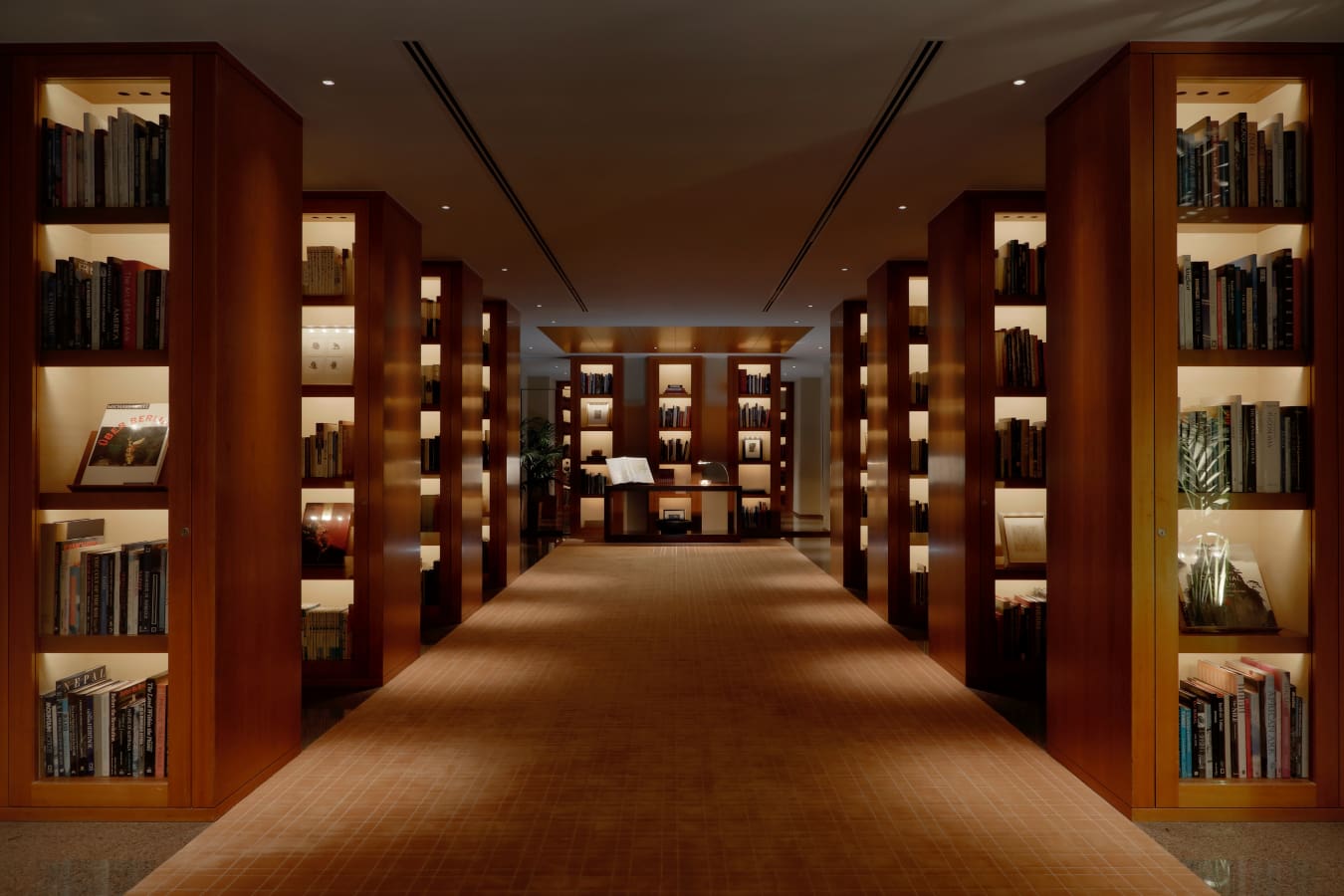
Park Hyatt Tokyo originally enlisted designer John Morford to hand-select each book in its library. During the hotel’s 19-month restoration, which culminated in its reopening in December 2025, the shelves were photographed so that each book could be put back exactly where Morford intended. The collection of more than 2,000 titles spans art, culture and history, with occasional additions left by guests. Found on the 41st floor, sea-foam Le Corbusier chairs invite readers to linger among the shelves.
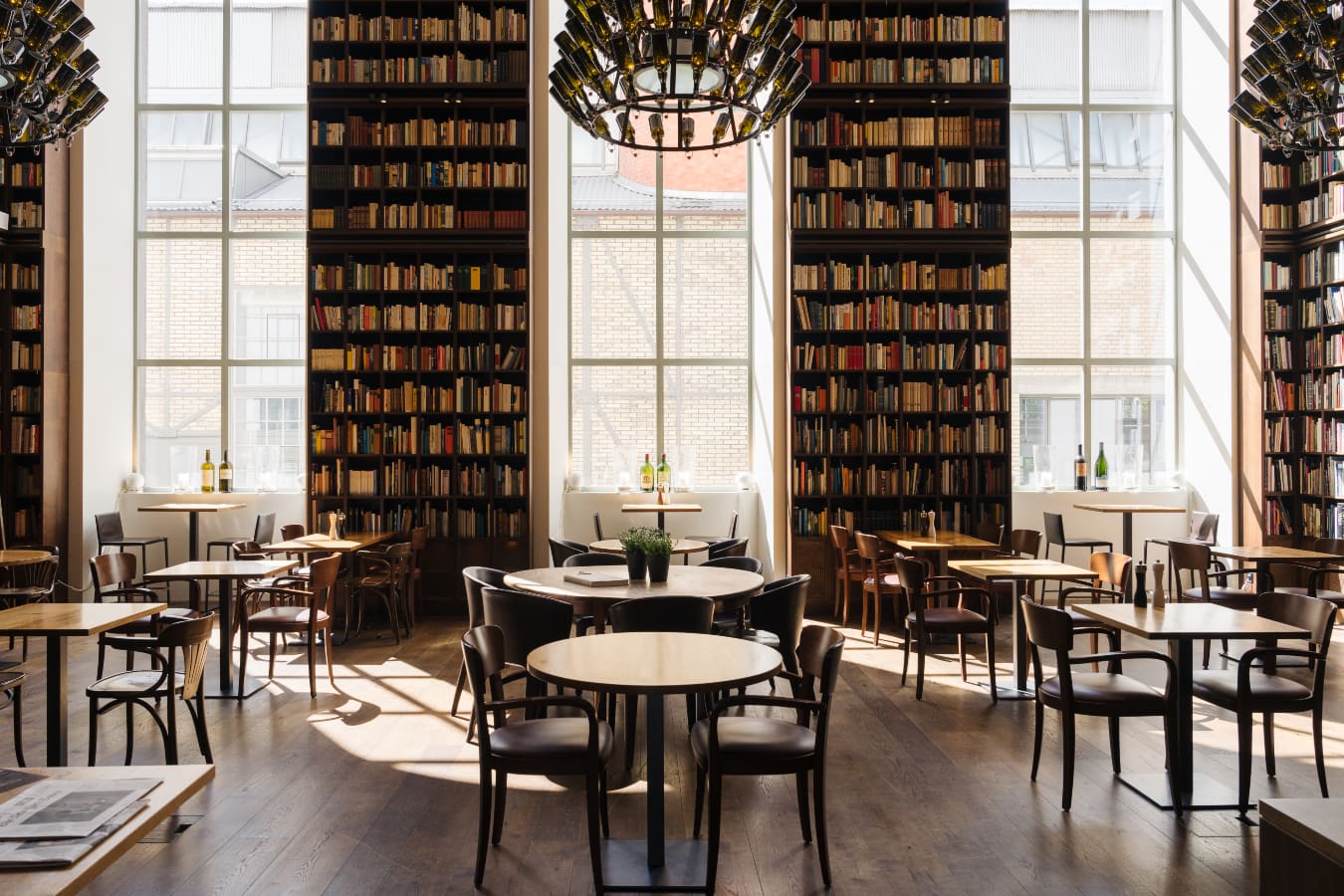
B2 Hotel, Zurich, Switzerland
Why we rate it: A library restaurant in a former brewery
Address: Brandschenkestrasse 152, 8002 Zürich, Switzerland
Price: From CHF 320 per night / 386 USD
One of the world’s most renowned hotel libraries is at B2 Hotel, where 33,000 books line the floor-to-ceiling shelves of its soaring bar and restaurant. Set inside the former Hürlimann brewery, books are balanced by chandeliers made from beer bottles. When Martin Emch opened the hotel back in 2009, he had a clear vision that the property should be book-themed. A friend was closing his antiquarian bookshop and Emch bought his collection, many volumes bearing handwritten notes and personal inscriptions.
The books have since taken on their own life, often with guests often swapping or adding their own finished reads. Alongside the Library restaurant, you’ll find further reading in the rooms and across social spaces.


