
Modbar taps into the future of coffee design
In partnership with

Distinctive and discreet, Modbar’s sleek taps set the stage for design-oriented hospitality, recasting how coffee systems influence space, service and connection
The counter has come a long way in the past decade: from open kitchens in restaurants to the anchor of the modern coffee shop, it has evolved into an architectural focal point. This shift is due in part to Modbar, the original under-counter espresso system.
Modbar removes equipment from the counter, concealing machinery beneath the surface. Above, only the slim Modbar taps remain visible: minimal stainless-steel spouts, available in custom finishes, designed for espresso, pour-over, and steam. This creates an open exchange between barista and customer, while maintaining the same standards of precision and consistency.
“You used to have a coffee machine against the wall, more like a commodity product. It is now front and centre,” says head designer Stefano Della Pietra. “Modbar transforms the counter into a stage, putting the barista in clear view.”

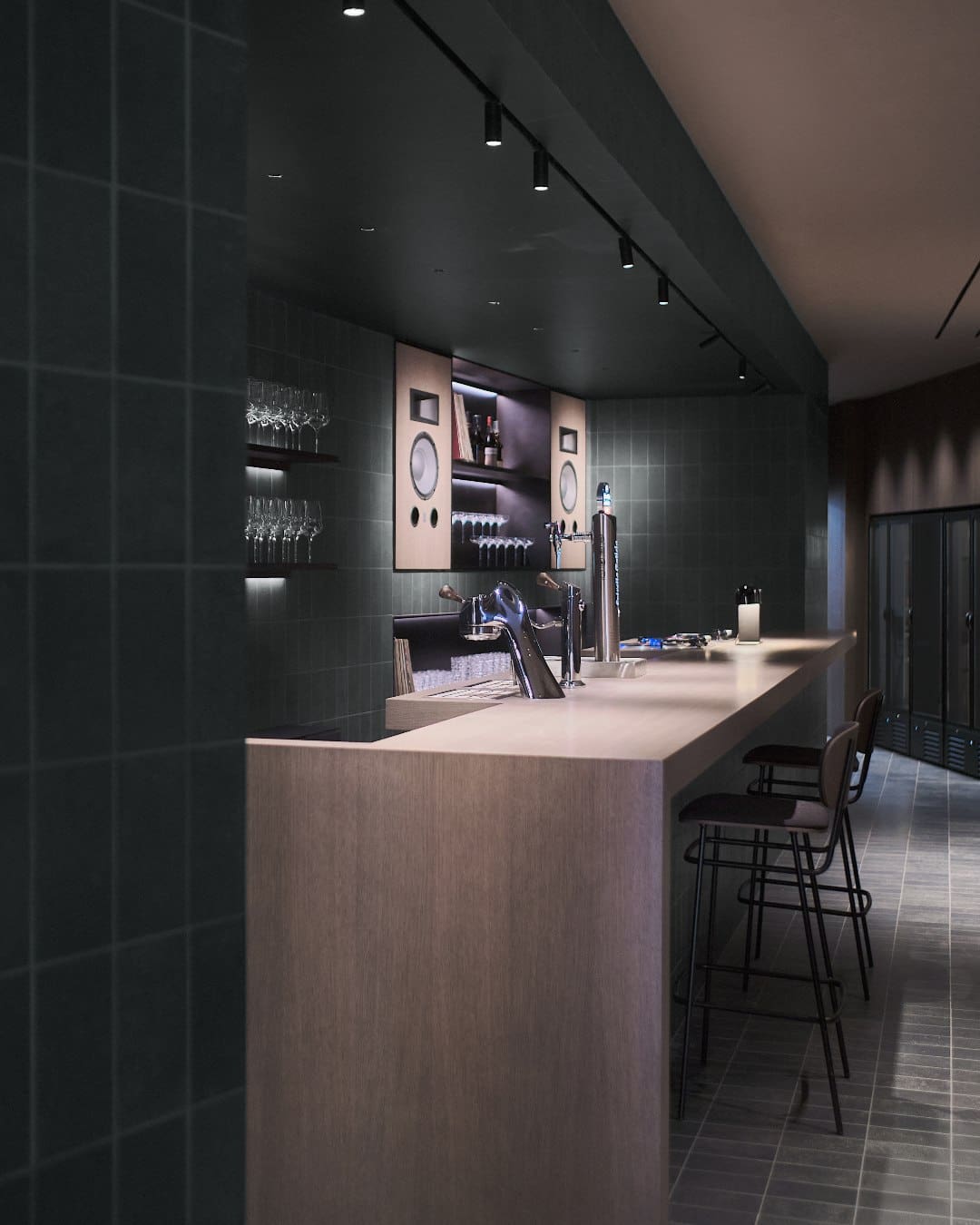
Modbar was first conceived in Fort Wayne, Indiana, by Corey Waldron, a guitarist and barista. He developed an under-counter prototype with his bandmate Aric Forbing, a machine pattern engineer. After presenting the idea to La Marzocco – noted for its high-end, handcrafted Italian espresso machines – the pair secured a partnership in 2012. Production moved to Florence, where integration with La Marzocco’s systems streamlined manufacturing.
Today, Modbar is based in Trieste, Italy. Its sculpted taps are a refined signal of quality and innovation, installed in leading coffee shops and luxury hotels around the world. Its appeal also lies in its architectural flexibility. “The clue is in the name: it is modular. You can move the components, meaning you have a lot of freedom when designing,” says Della Pietra.

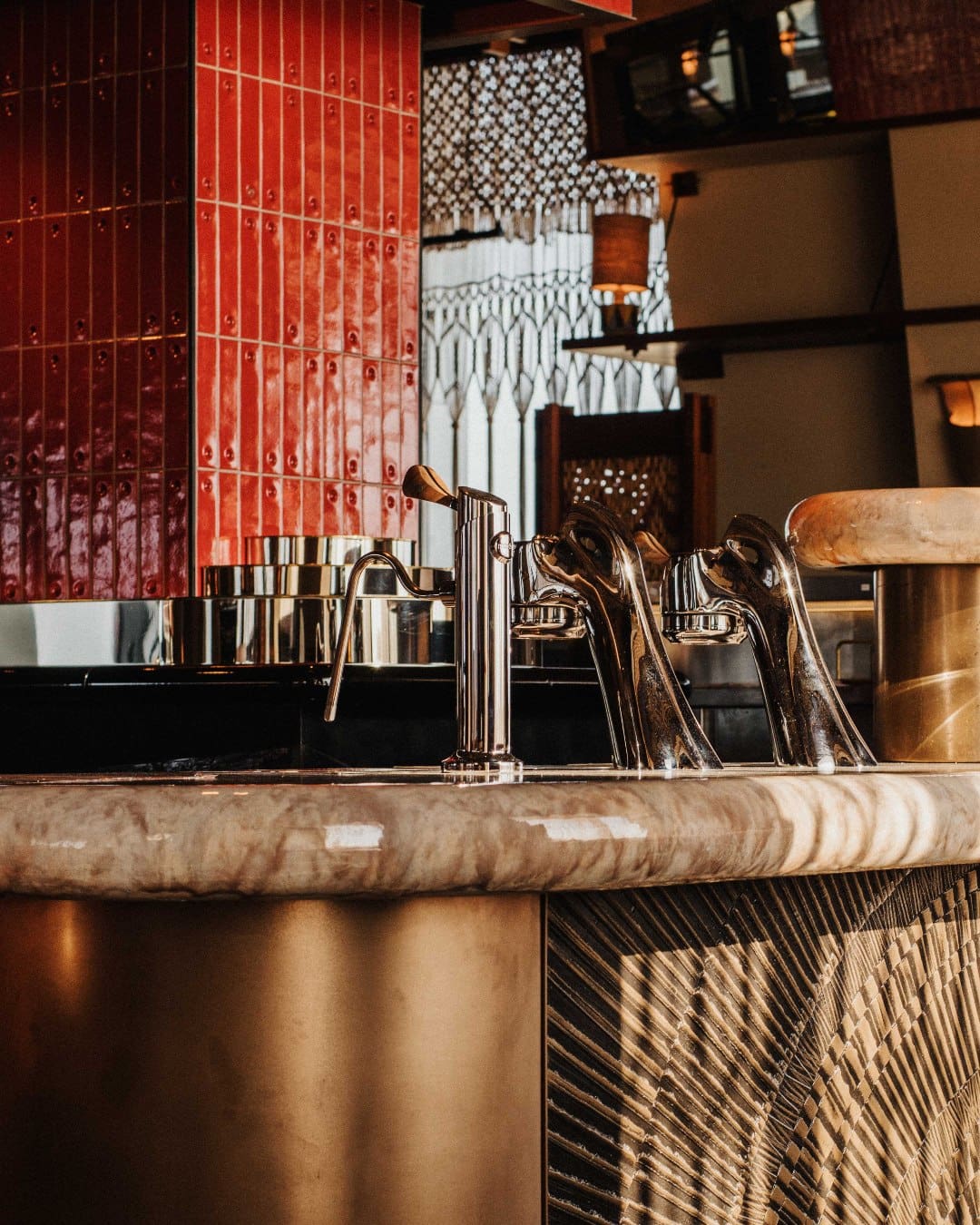
The brand’s versatility lends itself to historic grandeur and contemporary minimalism alike. At the Aman Venice, the Grand Canal Garden hosts a fluted timber pop-up bar throughout the warmer months, where Modbar taps contrast with the restored Venetian palazzo’s opulence. The setup lends the space a fluidity that moves easily from morning coffee to evening aperitifs.
Meanwhile, at the Ace Hotel in Sydney, a Modbar installation sits against steel and concrete at the rooftop Kiln Bar, backed by views across Surry Hills. There are also plans to feature the system at the forthcoming Ace Hotel Fukuoka, Japan.
You’ll also spot Modbar across the Four Seasons and Six Senses portfolio, and within Hyatt properties, including the newly renovated Park Hyatt Tokyo and at The Standard London. In the latter, the glass-walled Decimo restaurant has a central bar, where Modbar’s system allows baristas to face outward towards the skyline.

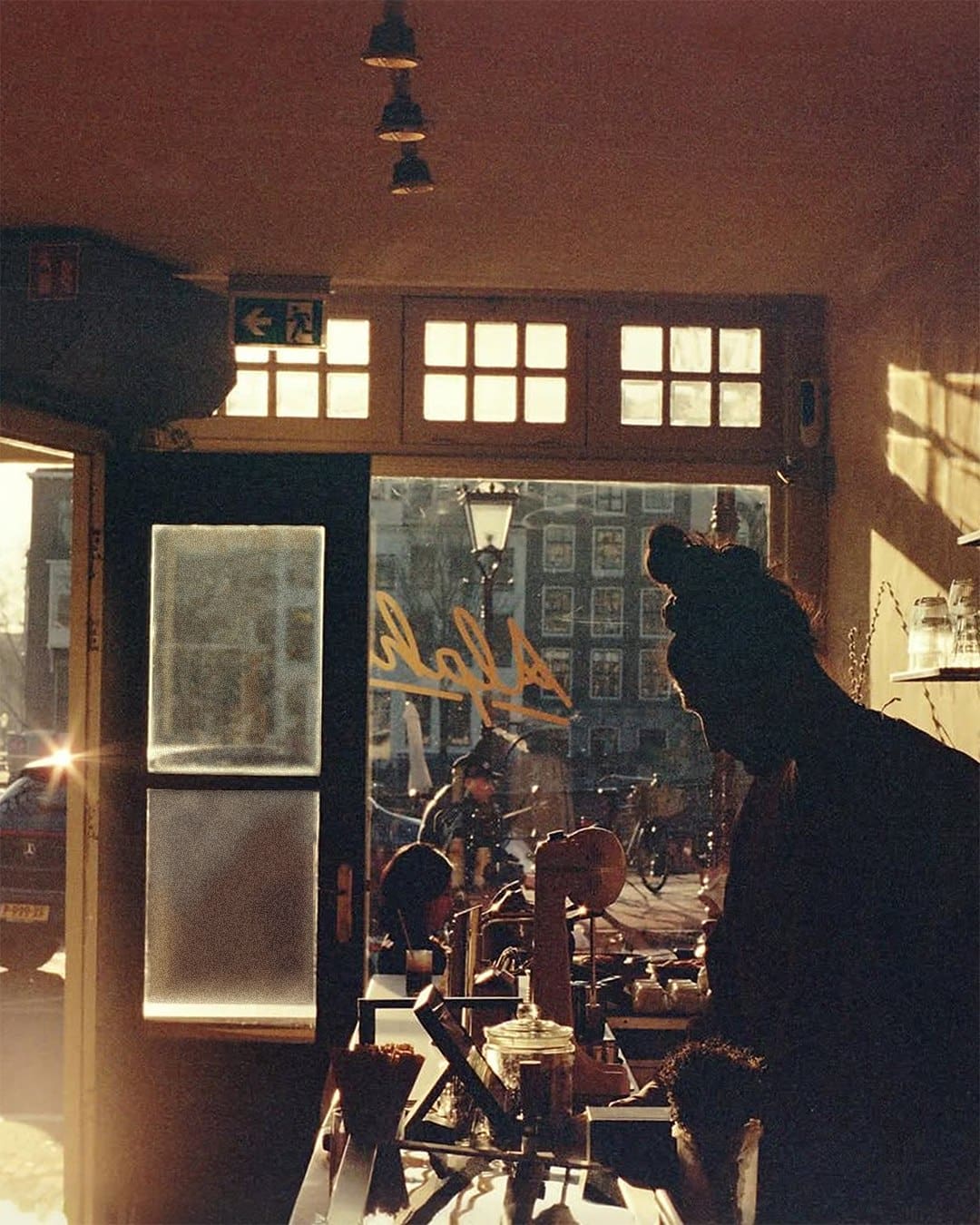
On a smaller scale, Modbar accents the counter at Trader HiFi, a modern listening café in Hamburg, and Amsterdam’s sunny yellow Alpha Café, where founder Marios Gigias sees this integration as central to the experience. “The design of the machine is very elegant, and the quality of the coffee is excellent. But most importantly, Modbar allows interaction with guests,” he says. “I don’t like when I have to hide behind the coffee machine or turn my back to a customer.”
Café Nuances’ in Paris is noted for its bold interior design. When the coffee roaster opened a new location in 2025 in Le Marais, it placed Modbar taps on a dramatic stainless steel counter, designed to resemble crushed coffee cups.
Whether placed beside vinyl turntables or atop polished stone and steel, its effect continues in design-forward coffee shops across the globe: La Cabra in New York, and Nana Coffee Roasters in Bangkok, where speciality coffee is served in a minimalist white space framed by lush foliage. Each shares a commitment to elevated design that moves beyond the traditional coffee shop, matched by best-in-class execution.


The rise of coffee within retail spaces
Modbar is driving the crossover between experiential retail and coffee. Increasingly, fashion boutiques and concept stores are incorporating espresso bars into their interiors, with Modbar’s adaptable system blending discreetly into the environment.
In Milan, Golden Goose unveiled a new Younique Cafè in March. Expanding the Younique concept beyond its original Bangkok location, the space comprises a coffee bar and a vinyl listening room, where guests are encouraged to linger with borrowed Koss Pro4AA headphones.
“Its understated, refined design allows the space to feel more open,” says Justus Klabou, co-founder of Two Story in Amsterdam, where a gallery, concept store and coffee shop come together in an 18th-century canal house. Guests sip Flores de Miñas espresso, responsibly produced by female farmers in Sul de Minas, Brazil, in a soothing milieu of stainless steel and brushed concrete.


From commodity to core design
The success of Modar aligns with a broader rise and investment in coffee culture and its origins. Hotels are dedicating space to coffee that was once reserved for cocktails, while consumers are increasingly curious about provenance. “People are interested in how the seed of a plant is picked, transported, and roasted. They want to know the journey of what is in their cup,” says Della Pietra.
Coffee is viewed as a luxury commodity, with a growing market of niche varieties and artisanal blends. Machines have become status objects in their own right, valued not just for performance but for design and experience.
“Few brands succeed in appealing to executives as much as the modern hipster,” Della Pietra tells me during Milan Design Week at the La Marzocco cocktail party. Surveying the room, he’s right: corporate suits brush shoulders with guests in caps and low-slung denim. Modbar – and La Marzocco – manage that rare alchemy: they are both aspirational and cool, underscored by a quiet, understated confidence. Owning a piece of the brand is like being part of an international club, synonymous with connoisseurship and good taste.
The cocktail takes place at Casa La Marzocco, a pop-up home for both brands during Design Week. A Modbar counter has been installed for the occasion, where baristas pour espresso during the day. Come evening, it serves as a bar for aperitivo. I watch as bartenders swiftly pour negroni after spritz. Now, if only Modbar could create a cocktail tap next.
Discover Modbar, the original under-counter espresso system; modbar.com


