
Cycling tourism is shifting gears, bringing travellers closer to cities
Cycling tourism is finding a fresh pace, as cultural programming, brand communities and hospitality partnerships reshape how we ride, while prompting a boom in hotel biking
At 5am, when the rest of Bangkok is sleeping, Roadbook’s co-founder Fouad Ghanma is rising for his morning ride. The ritual begins at neighbourhood coffee shop Karo, where the team lets him in before the doors open for a V60 single-origin pour-over. “I drink it in the dark, then roll out.”
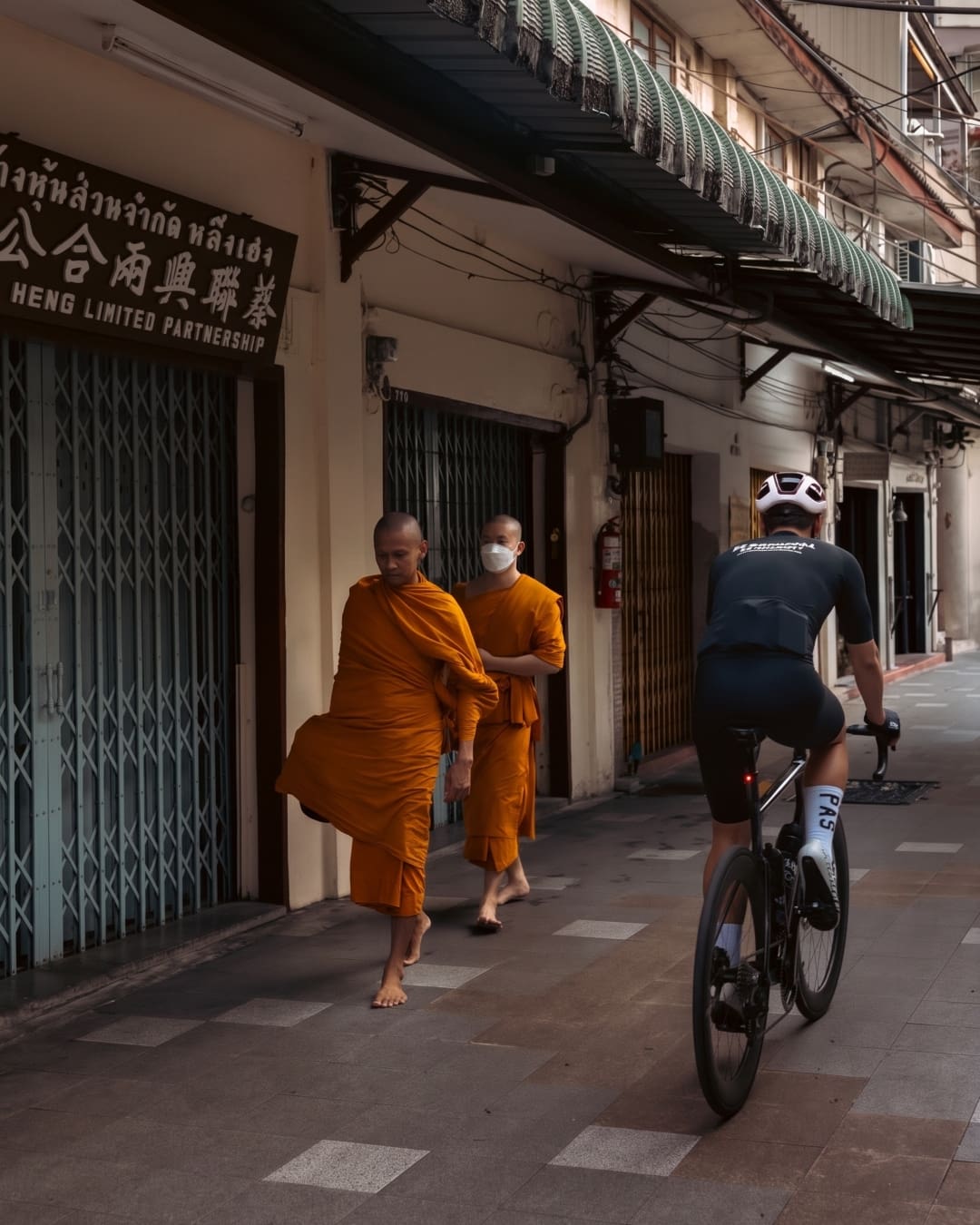
His cycle takes him through the temple-studded Old Town, into Yaowarat (Bangkok’s Chinatown) and Rattanakosin, along the Chao Phraya River before the shophouses wake. Market stalls are setting up, while monks in saffron robes collect their morning alms. “Interactions you’d miss from inside a car. If you want to know a city, get on a bike.”
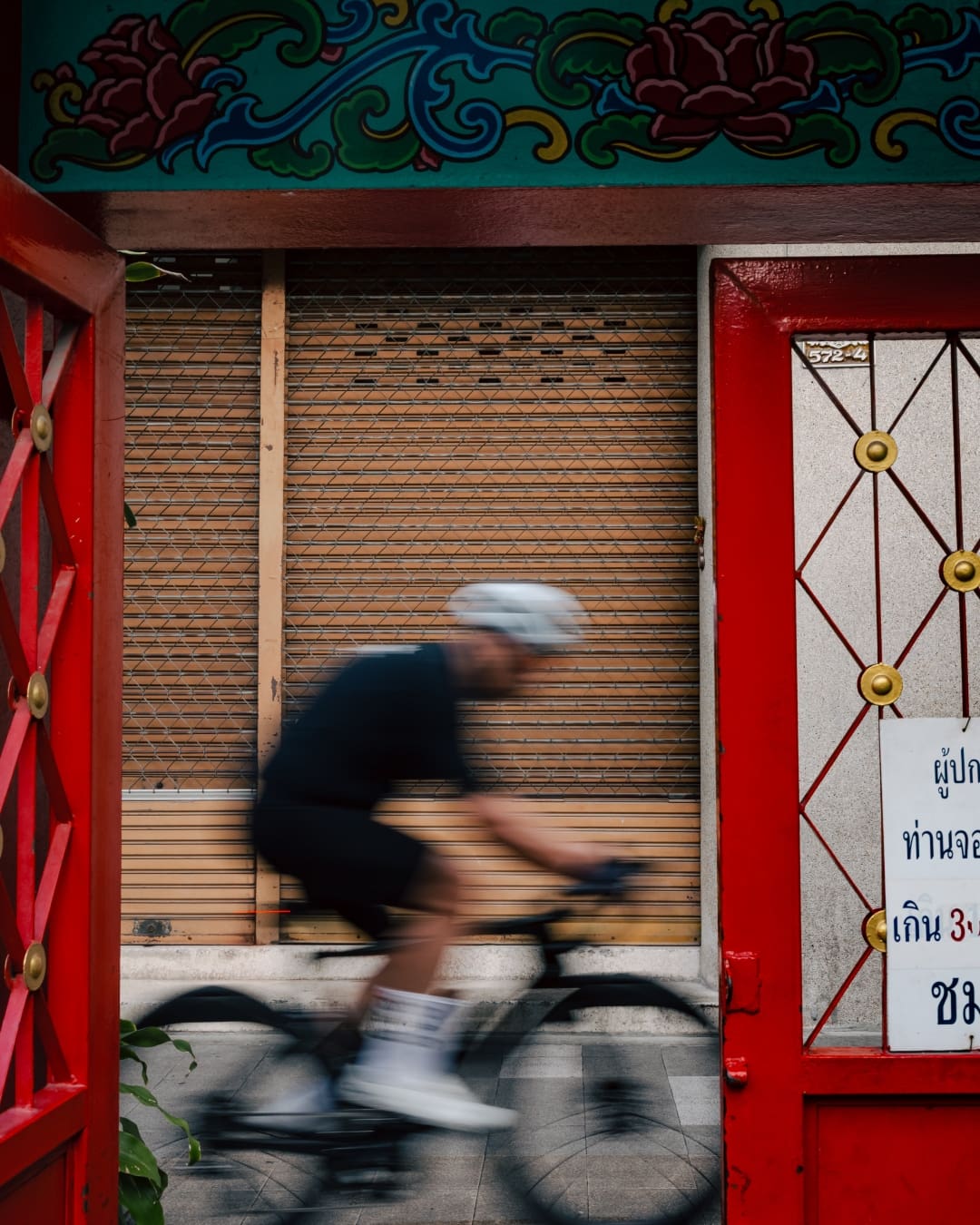
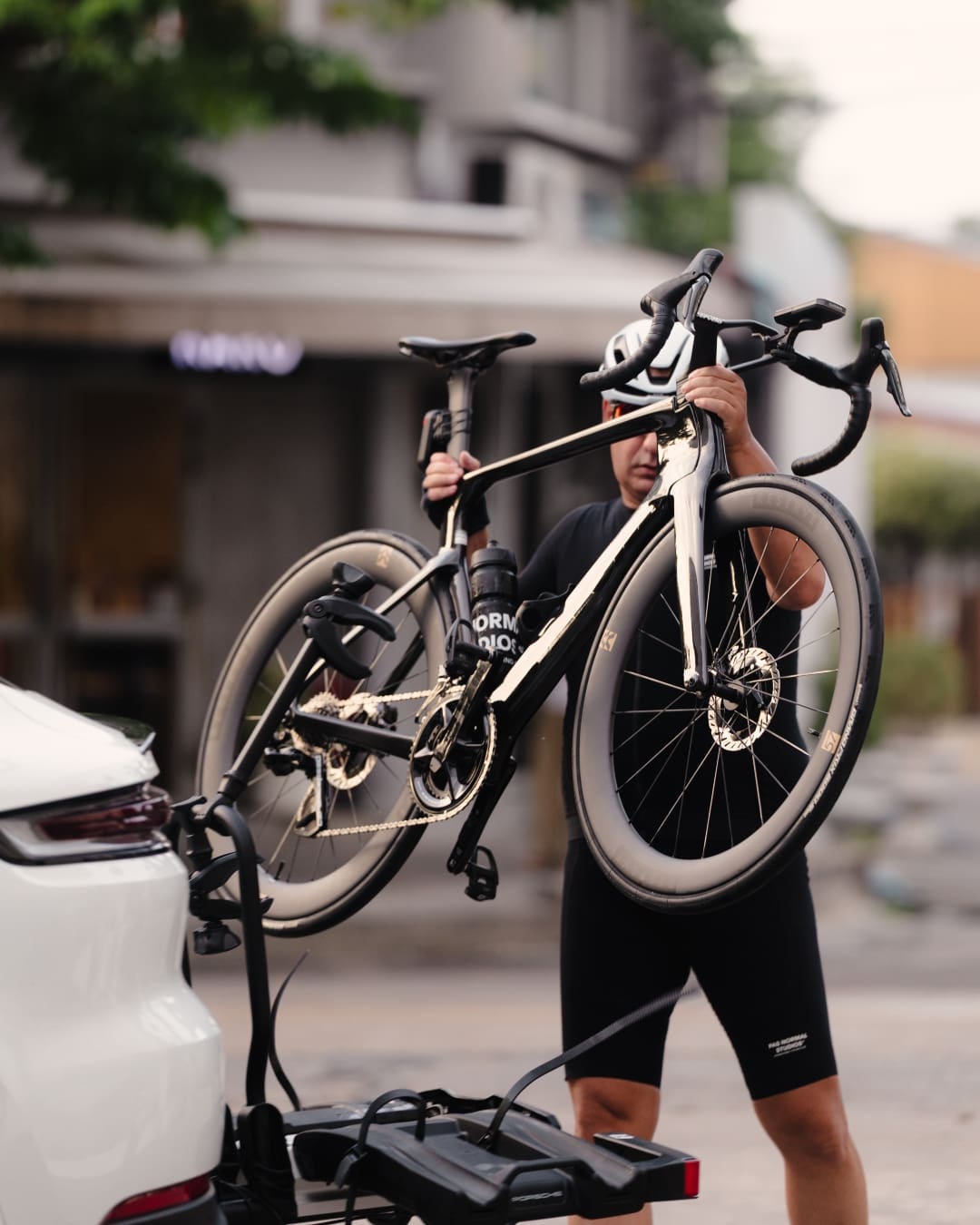
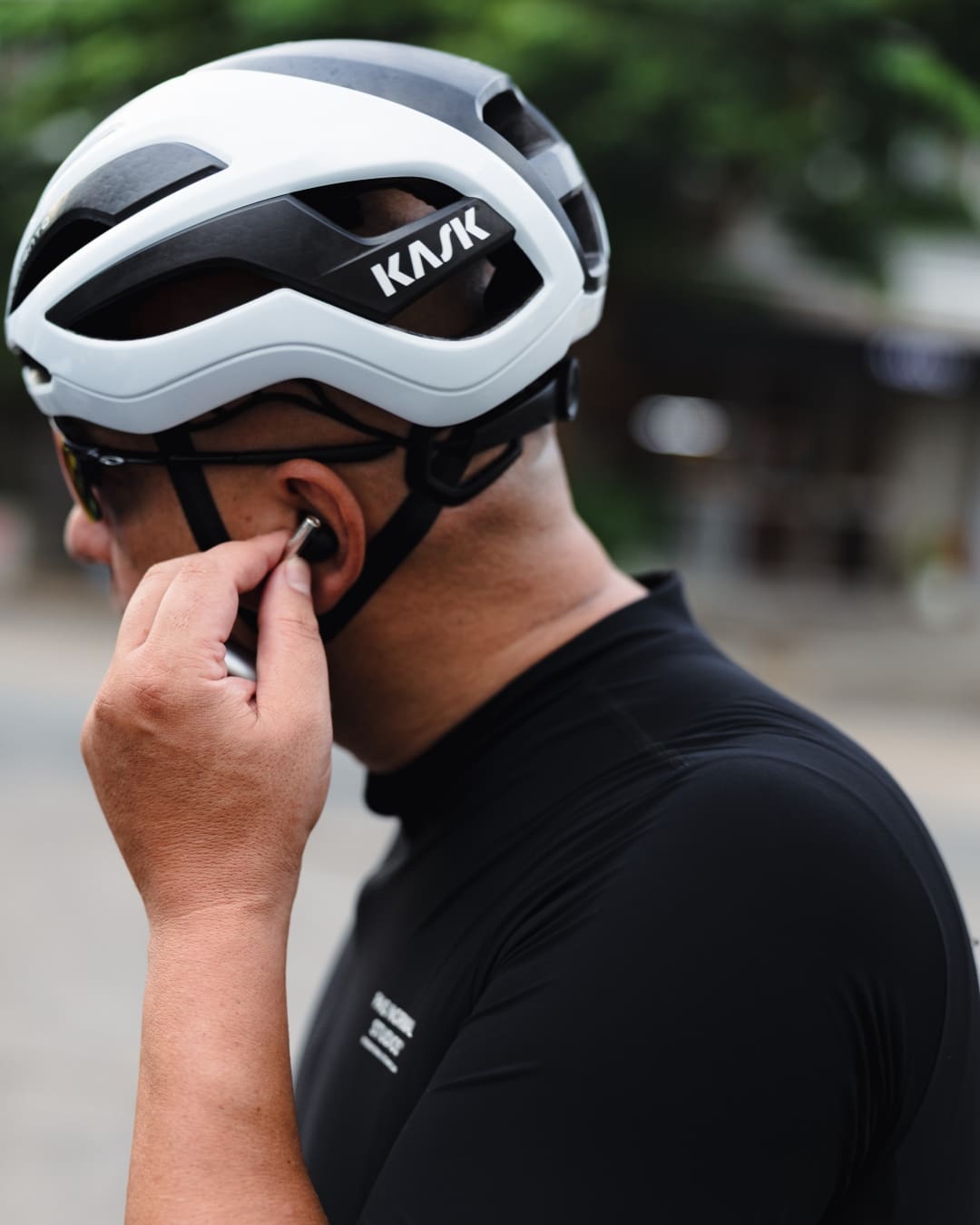
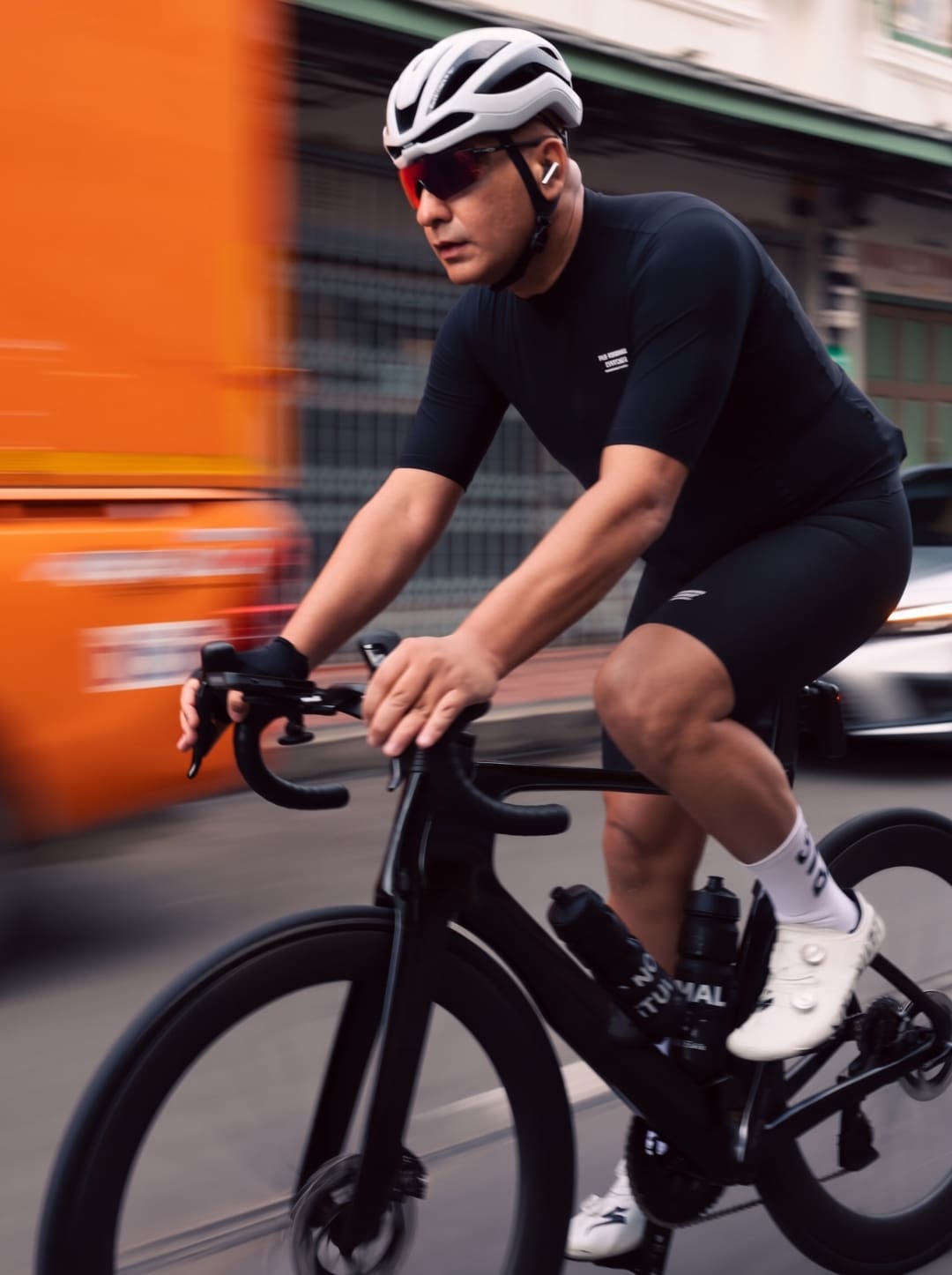
Ghanma rides a Cervélo S5 race bike, a sleek, high-performance machine prized for its aerodynamic design, matched with a KASK helmet. “This isn’t a hobby, it’s a lifestyle,” he asserts. “It takes discipline, commitment and the support of a community.” He finishes at Technogym for mobility stretching and weight training.
He is also one of a growing number of travellers swapping a check-in bag for a bike, and investing in experiences that offer not just sport, but a deeper connection to the places and people they encounter.
The rise (and rise) of road cycling
“In triathlon, it’s always been an all-encompassing lifestyle. Road cycling has grown into something similarly holistic,” says Brian Bernard, senior communications manager at Cervélo. “Our customer is experienced and exacting in their taste. And the bike is now a core part of how they travel.”
Parts of Europe, of course, have a long tradition of cycling, with bikes central to everyday life in Denmark and the Netherlands. That culture is now finding a wider audience: the global cycle tourism market was valued at $146.2 billion in 2025 and is projected to reach $191 billion by 2028. Social media and apps such as Strava have made it easier to find rides anywhere in the world, curated by locals who know the roads best.
“We used to be the only ones waiting for our bike bags at the oversized luggage belt, and the baggage handlers always seemed surprised and intrigued that we would bother to travel with a bicycle, of all things,” continues Bernard. “But that’s really changed in recent years. You can spot your tribe with the funny tan lines hovering nervously at baggage claims across the US and Europe.”
The evolution of community cycling
Increasingly, cycling communities are being built not just by cities, but by brands designing hospitality-led ecosystems.
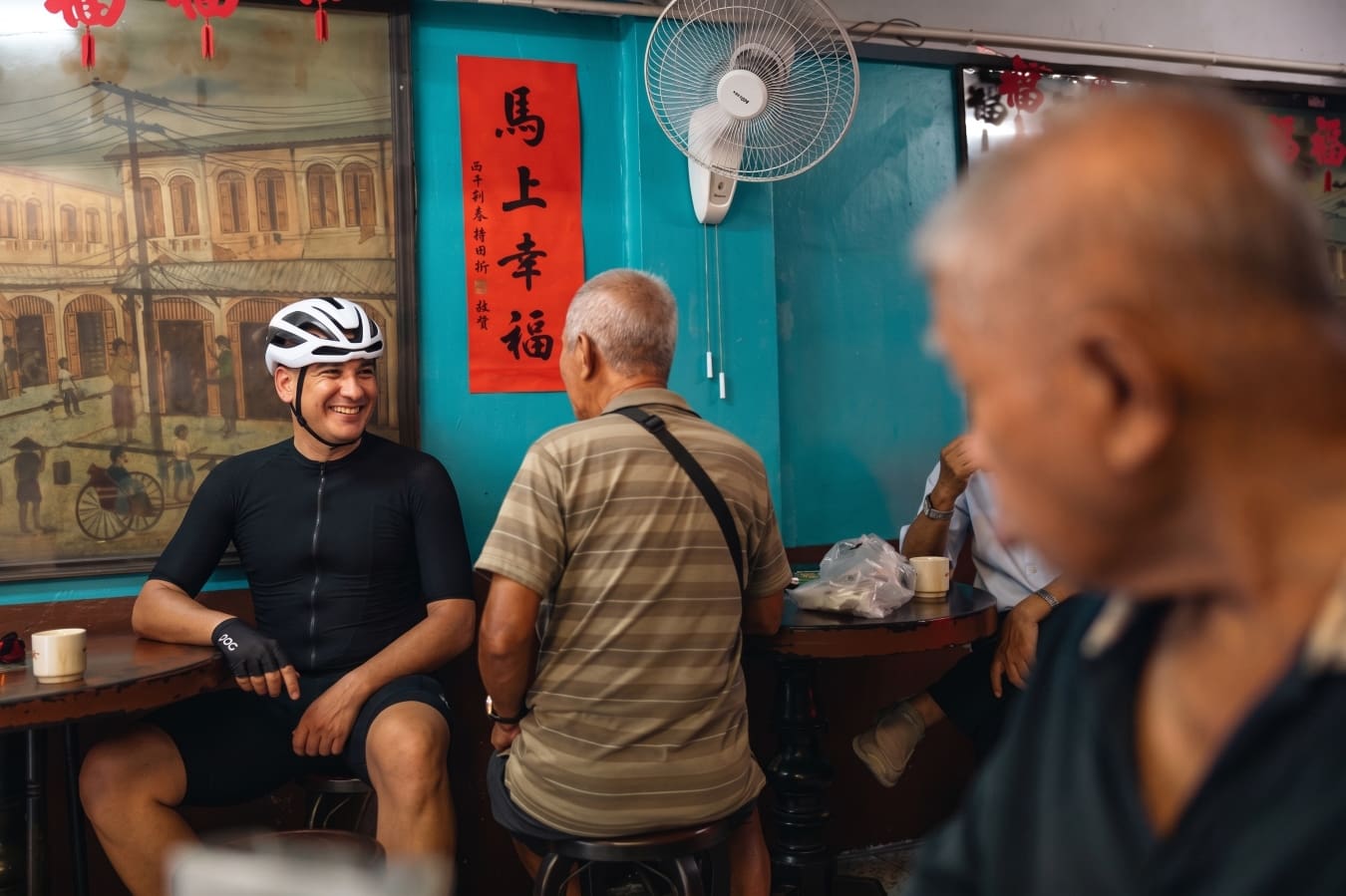
Apparel brand Pas Normal Studios was founded by Peter Lange and designer Karl-Oskar Olsen in 2014 out of a shared appreciation for riding culture. Today, this philosophy continues through its International Cycling Club, a global community of group rides, often in collaboration with local cafes and cultural spaces.
“Great cycling communities can now grow anywhere, and that’s making the sport much richer,” says Ida Holmen, the company’s chief marketing officer. “You can show up for a ride, and by the time you’ve finished the coffee afterwards, you’ve made new friends. That’s quite special, and I think we’ll see much more of that over the next decade.”
The Copenhagen brand also runs Destination Everywhere, a programme of pop-up activations. These range from 60-minute laps to more extensive gravel and road cycles, alongside multi-day experiences, with upcoming events in Nuremberg and Zurich.
“We spend a lot of time designing products, but if you ask people what they’ll remember five years from now, it probably won’t be a jersey. It will be the ride.”
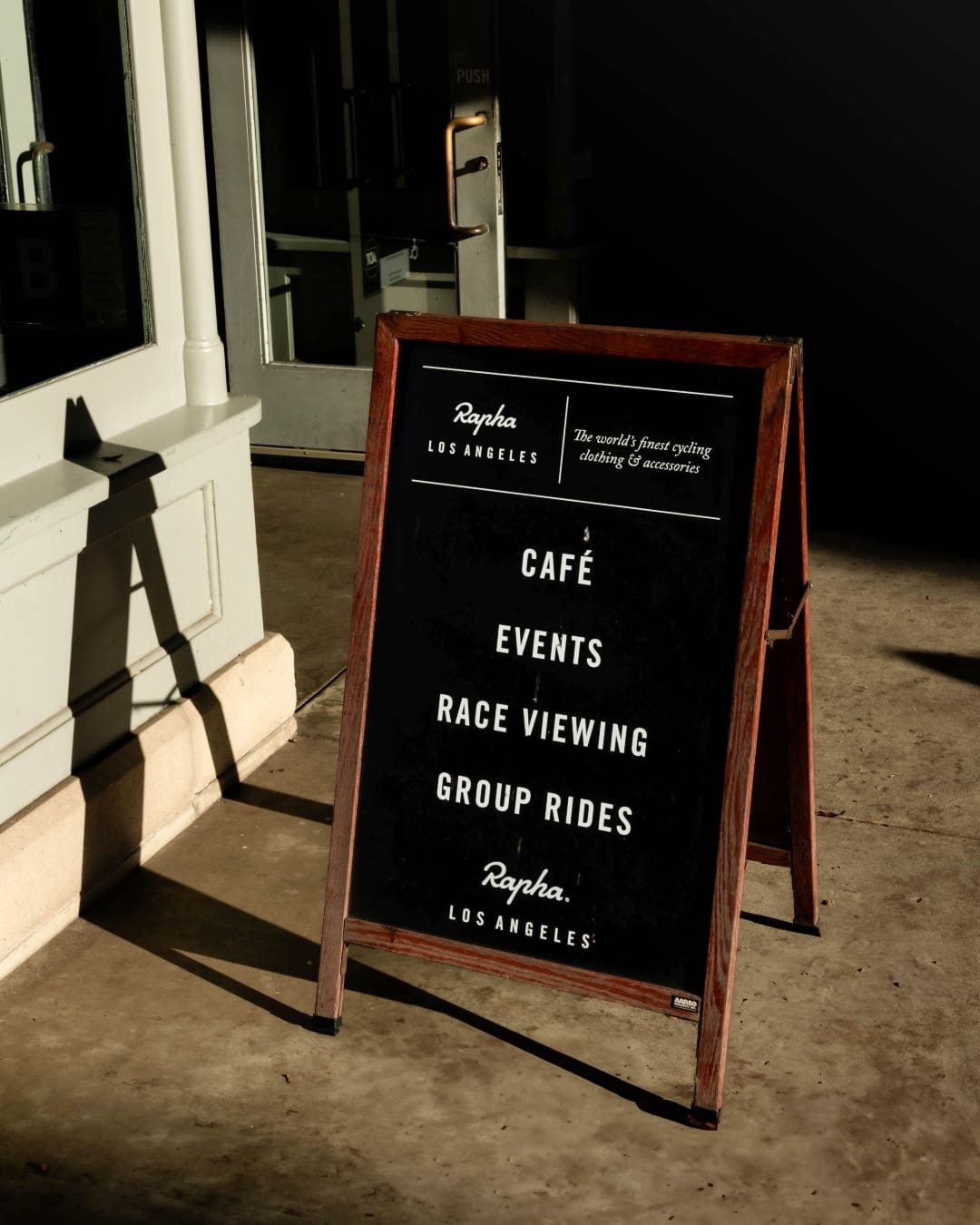

Global cycling brand Rapha also has Clubhouses at many of its stores, providing a social meeting point for cyclists with a retail space and cafe. There are currently 18 clubhouses globally, including London, Los Angeles, Munich, New York and Shanghai.
On a smaller scale, Café du Cycliste organises regular group rides from its stores in Nice, France, and Palma, Mallorca. The latter serves as a departure point for weekly rides across the island, where quiet inland roads and sweeping mountain climbs have made Mallorca a perennial favourite among road cyclists, attracting some 300,000 two-wheeled tourists each year.

A boom in bike-centric hotels
Hotels are recognising the rise in affluent travellers arriving on two wheels, and the spending power of cyclists.
Bikes are becoming a standard part of the modern hotel toolkit. What was once a niche amenity is now an expected extension of hospitality, helping travellers move beyond the lobby to responsibly explore the landscape around them.
In northern California, Rosewood Sand Hill takes this further by being the first hotel to partner with Italian bicycle manufacturer Colnago. Guests can rent the Colnago C72, which retails from 16,797 USD, and spend the day riding through the Santa Cruz Mountains, taking in country roads and redwood forests. Personalised routes tap into the Peninsula’s cycling culture, where biking has been dubbed “the new golf” for Silicon Valley’s tech executives.


Elsewhere, Viceroy Hotels & Resorts partnered with Rapha to curate cycling itineraries for guests. The initiative is available at US hotels in Santa Monica, Chicago and Washington DC, as well as the Algarve in Europe.
“Bike-friendly is about mindset, not just facilities,” says Nele Schmidt, head of e-commerce and business systems at EVOC, the German cycling brand specialising in technical gear and equipment for mountain bikers and outdoor athletes. “Early breakfast options, storage, wash stations. A bike should never feel like an inconvenience.”
"The sport captures a desire for active, sustainable and experience-driven travel.”


This mindset extends to rental properties and cabins, which prioritise bike storage and practical facilities. At Skyhawk Cabin in West Windsor, Vermont, highly crafted interiors are met by a timber-lined boot room, with pegs for hanging gear, durable rubber floors and ample space to park a bike.
Owned and designed by Catherine and VW Fowlkes of Fowlkes Studio, the cabin features exposed beams, a custom steel kitchen and vintage art. There is no TV; instead, the panorama of the Connecticut River Valley provides a compelling watch.
A cycling trail runs along the rear of the property, leading to Mount Ascutney’s network of routes. The cabin neighbours Ascutney Outdoors, which promotes year-round outdoor recreation on the mountain.

In Onomichi, Japan, you’ll find Hotel Cycle, a longstanding example of bike-centric hospitality. The former shipping warehouse is based on the design concept of ‘a small town inside a city’ and features a hotel, restaurant, cafe, bakery and cycling-focused retail space. There are 28 rooms, with bike hangers and bike rental options, too. The hotel sits at the gateway to the Shimanami Kaido, an extensive cycling route across six islands of the Seto Inland Sea.
In Europe, Girona has gained a reputation as a world-leading cycling destination for its varied terrain and social riding community. This culture is celebrated at Rocacorba Hotel, owned by former professional cyclist Christian Meier and his wife Amber. Housed in a restored 18th-century farmhouse, there are just nine rooms, alongside a dedicated bike workshop, morning yoga and a communal kitchen where guests from across the world share routes and stories over freshly baked bread and dishes made with locally sourced ingredients. Cervélo is among the brands that work closely with the hotel, hosting camps and bringing riders together.

Cycling overtourism
As cycling tourism gathers pace, some of its most established destinations are beginning to feel the weight of their own popularity.
“Cycling tourism needs to be managed carefully,” says Jake Warman, an Australian cyclist and the founder of Girona Wednesday Worlds, a midweek group ride in the Spanish city that attracts local and visiting pro-level cyclists. In recent years, he has observed a rise in amateur cyclists across Girona. “While it is great to see, there is increasingly negative sentiment from locals around the growing number of groups riding through town; cyclists going the wrong way down one-way streets and interrupting daily life. Bike theft is also a problem.”
He worries that cycling tourism in Girona could reach a point of saturation. “It is an age-old conundrum: how do you harness tourist interest and expenditure in a way that remains sustainable?”

The future of cycling tourism
As cycling, travel and culture increasingly converge, the future of the sport is positioned as diverse, social and particularly capable of fostering transnational communities, as passionate riders bond across borders.
Brands and cyclists alike point to a rise in women’s cycling as one of the greatest things to happen to the sport. “We’re nowhere near where we want to be yet, but the momentum is incredible, and it’s inspiring to watch,” says Ida Holmen of Pas Normal Studios.
Global investment in protected lanes, cycling corridors and greenway networks is also broadening access to cycling tourism. North America and parts of Asia are catching up with their European counterparts, accelerating the development of ‘bike-friendly cities’.
In Bangkok, the Sky Lane (Happy & Healthy Bike Lane) is a 23.5km closed track that loops Suvarnabhumi Airport, offering an escape for cyclists in a city more famously known for its traffic.
Atlanta’s BeltLine, for example, now presents 17 miles of continuous trails, set to form a 22-mile loop by 2030. Meanwhile, the city of Santa Clarita, California has begun work on a 400-acre Haskell Canyon Bike Park as a tourism and economic development initiative, betting on the appeal of destination cycling.

Pedalling along rugged rural tracks and coastal roads provides a slower, more intimate perspective on a destination. “Cycling takes riders to smaller villages, remote mountain regions and places that traditional tourism might overlook, often during low season,” says Nele Schmidt of EVOC. “The sport captures a growing desire for active, sustainable and experience-driven travel.”
Yet it is the sense of community that gives those journeys lasting meaning. Few sports bring lone riders together and create such instant camaraderie. “Cycling has become a global language,” concludes Holmen of Pas Normal Studios. “The route matters, but the people matter just as much.”


