
Fukui is Japan’s little-known home of craft and spirituality
Fukui offers a quieter expression of deep Japan, where prehistoric landscapes, Zen spirituality and artisanal craft converge between green rice fields, sea and mountains
Fukui spans Japan’s rugged western coastline, flowing alongside the Sea of Japan. The nature-soaked prefecture encompasses sacred mountains, lakes and craft towns.
Ancient stories are written into its landscape, dating back to the age of dinosaurs (Fukui is famously home to Japan’s highest concentration of dinosaur fossils). Fukui is also the spiritual heart of Zen Buddhism, while a rich crafts and manufacturing heritage – paper, knives, lacquer, glasses frames, sake – is imprinted into its DNA. Laidback surf communities also pepper the scenic southern beaches. The region is easily accessible, just a few hours by train from Tokyo, Kyoto, Kanazawa and Osaka cities.
At a time when tourism levels are hitting record highs across Japan, Fukui offers a quieter pace, where craft and landscape, spirit and beauty, coexist together harmoniously.


Washi and the paper culture of Echizen
Washi, traditional Japanese handmade paper, has long been synonymous with Echizen, a scenic nature-steeped region in northern Fukui Prefecture. One of Japan’s most important washi regions, Echizen’s timeless processes, rituals and methods are anchored in a rich paper-making history dating back more than 1,500 years.
Nature is a key protagonist: a temperate, rainy climate combined with pure, flowing river water from the nearby Ryohaku Mountains create the perfect conditions for producing strong, high quality washi, renowned for its texture and translucency. Today, dozens of washi makers are based in Echizen, producing traditional items (screens, lanterns, sacred decorations) and contemporary objects (from bags to notebooks) while collaborating with global designers, architects and artists.
At the heart of Echizen’s paper culture is Kawakami Gozen – known as the Paper Goddess, who taught villagers the art of washi-making 1,500 years earlier and today continues to reside at nearby Otaki-Okamoto Shrine. Still and serene, the shrine is a deeply respected part of daily life in Echizen – and a powerful local symbol of Fukui’s sacred ties between nature and craftsmanship, paper and community.

RYOZO washi paper mill
Best for: Hands-on immersion in Japan’s ancient paper-making traditions
Address: 10-1 Otaki-machi, Echizen City, Fukui Prefecture, Japan
Price: Around 15,000 JPY / 93 USD per person for a factory visit/experience
Visit the RYOZO washi paper mill, home to a paper shop as well as an atmospheric workshop where visitors can try their hand at making washi, creating fibre paper sheets with the guidance of longtime masters.
You can also visit Taki Seishi, a family-run washi-making company behind a raft of high-profile creative projects (its washi covers the lobby ceiling at Aman Tokyo). Hideaki Taki, seventh generation, continues the family tradition, working with natural kozo mulberry fibres to create translucent sheets of paper, which he decorates by hand using delicate sprays of water. Reserve your visit by contacting Fukui’s local craft organisation.
Master craftsmanship
Fukui’s legendary eyeglass frames are made by skilled artisans in Sabae city, who fuse technical precision and modern design with fine craftsmanship to produce around 96 per cent of Japan’s eyewear.

AtaW lifestyle store by Sekisaka
Best for: Contemporary Japanese lacquerware and design
Address: 33-22-3 Akasaka-cho, Echizen-shi, Fukui 915-0256, Japan
Price: Free entry
Among lacquerware masters is visionary Tatsuhiro Sekisaka, 12th generation of a family lacquerware business founded in 1701. Sekisaka taps into the region’s deep lacquerware heritage to produce original creations for modern life, often in collaboration with contemporary designers such as Gen Suzuki and Junichiro Yokota.
Sekisaka’s lifestyle store ataW is a highlight: minimalist and light-flooded with an industrial edge, wrapped in green rice fields in rural Echizen. The space showcases contemporary lacquerware and design collaborations by Sekisaka and SARO, alongside expertly curated objects from Fukui and beyond – from glasses and everyday items to art pieces. For Sekisaka, his creative impetus is simple: “Fukui’s lacquerware industry is very complex, it uses a lot of wood and resin and different specialists for dozens of different processes. We want to explore these techniques to make new products for modern life today.”

Takefu Knife Museum
Best for: Exploring Echizen’s celebrated knife-making tradition
Address: 22-91 Yokawa-cho, Echizen-shi, Fukui 915-0031, Japan
Price: Free entry
Located within the Takefu Knife Village complex, this museum offers an introduction to Echizen’s blade-making heritage. It is a knife-making hub, showcasing centuries of traditional metal craftsmanship, alongside a museum and shop, where visitors can purchase handcrafted cutlery.
Renew
Best for: An annual celebration of craft
When: 9-11 October 2026
Address: Across Sabae City, Echizen City & Echizen Town, Fukui Prefecture
Price: Free (experiences priced separately)
Further deepening Fukui’s making culture is Renew, a lively annual festival involving more than 100 crafts workshops and factories opening their doors across Echizen and Sabae. Meanwhile, a new generation of Fukui innovators are smoothly steering the region from the past to the future.

Where to stay
ESHIKOTO Kanshukuen
Best for: Luxury lodges, hot spring bathing and sake on tap
Address: 10-15-1 Shimojohoji, Eiheiji-cho, Yoshida-gun, Fukui 910-1202, Japan
Price per night: 70,000 JPY / 440 USD per person
ESHIKOTO – which means “good things” in ancient dialect – is a contemporary retreat from the company behind Kokuryu Sake Brewery.
Guests can stay in one of eight spacious private villas, where minimalist design is complemented by traditional Fukui crafts, from ceramics to paper. Bathrooms steal the show: deep pool-like tubs are filled with natural hot spring water, while sliding walls open to reveal views across the surrounding landscape of rivers, rice fields and mountains.
As expected, sake features prominently, both at Bar Toki and Japanese Cuisine En restaurant, where guests gather at a wooden counter for creative local cuisine.
Tastings (and shopping) unfold at Ishidaya ESHIKOTO Store, while more bottles are stored in a cathedral-like sake cellar. Soba Yamaya and HAREYA bakery are other onsight spots to visit.
Hakujukan
Best for: A hotel at Eiheiji Temple, offering an immersive taste of Zen life
Address: 6-1 Shihi, Eiheiji-cho, Yoshida-gun, Fukui 910-1228, Japan
Price per night: From 45,000 JPY / 280 USD per person
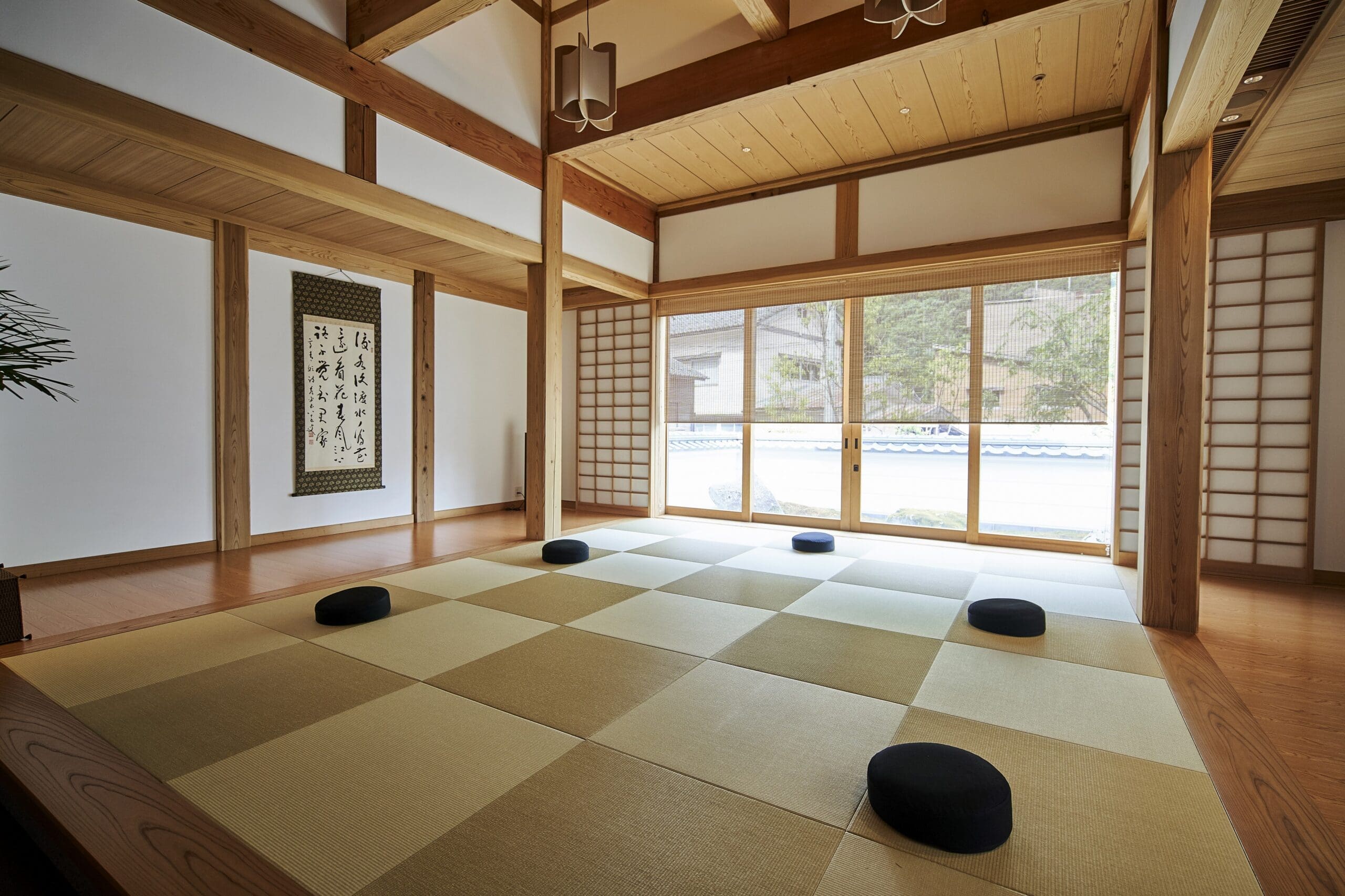
The Hakujukan hotel of Eiheiji Temple offers a modern interpretation of traditional temple life. It is home to 18 contemporary Japanese-style rooms, plus public baths, a serene tatami mat space overlooking a garden, and a restaurant. A concierge service can also arrange access to Eiheiji’s pre-dawn service, a near hypnotic-experience steeped in rich incense and sutra chanting. It’s a perfect setting for an authentic taste of Zen life, offering a rare glimpse into the timeless wisdom of this ancient temple complex.


Surf Hotel Il Mare
Best for: A beach hotel with sea views of Takahama
Address: 1-15 Hata, Takahama-cho, Oi-gun, Fukui 919-2225, Japan
Price: From 22,000 JPY / 140 USD per night
Fukui’s coastal region Wakasa is the starting point of the Saba-Kaido (Mackerel Road), an ancient network of trading routes connecting Fukui directly with Kyoto. Today, Wakasa is home to a growing surf culture. Takahama is one such hub, with curved beaches lined with pine trees and mountains, blazing sunset skies and big winter swells. Coastal highlights include Surf Hotel Il Mare, a contemporary seven-room stay with clean-lined interiors and sea views; while nearby Wakasa-Wada beach is another popular spot.
Yao Kumagawa
Best for: Atmospheric guesthouses in an old merchant town
Address: 19-2 Kumagawa, Wakasa-cho, Mikatakaminaka-gun, Fukui 919-1532
Price: From 18,000 JPY / 115 USD per person
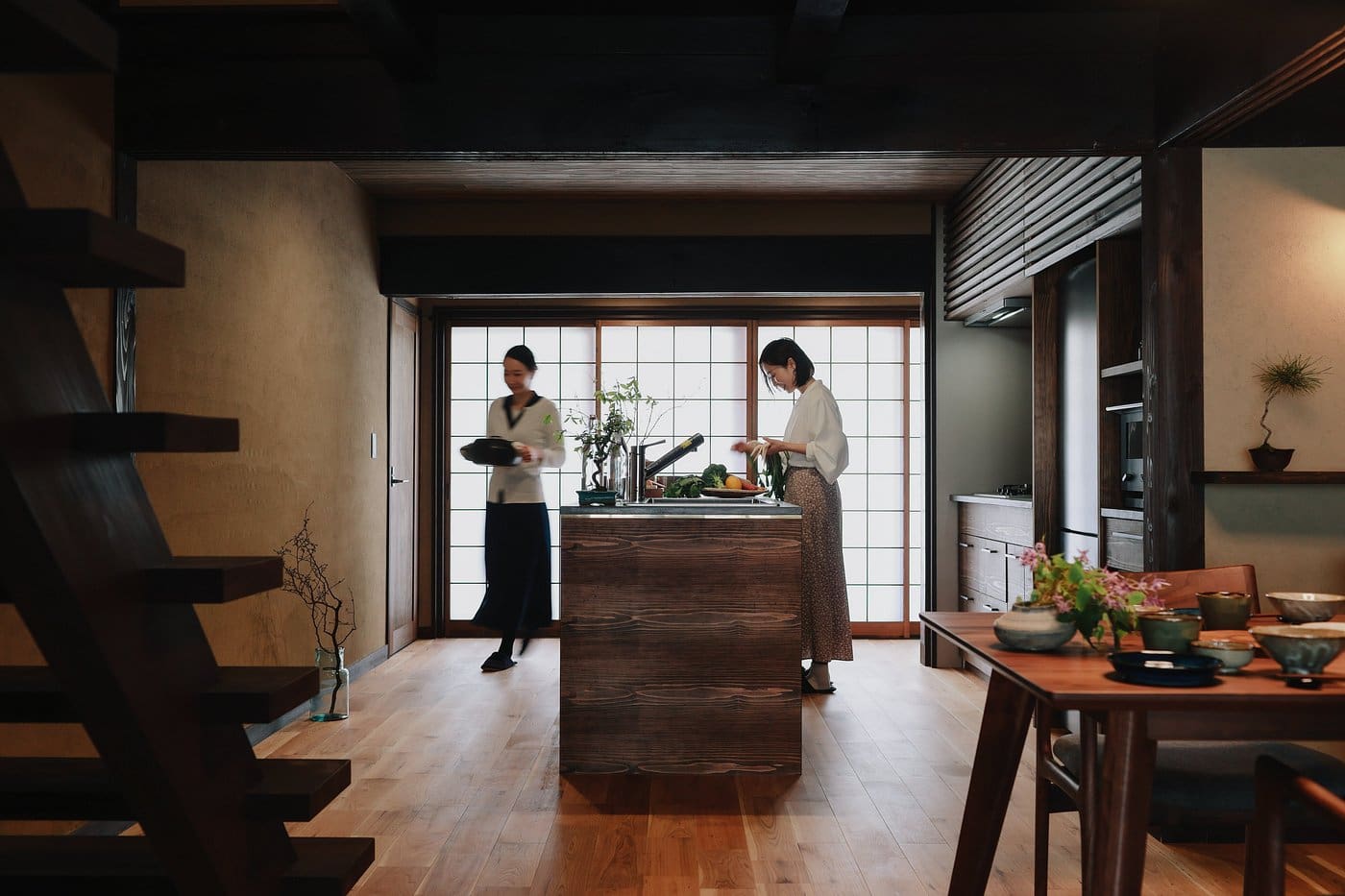
This serene collection of renovated houses lines Kumagawa-juku, a preserved post town on the historic Saba Kaido (Mackerel Road), bordering Fukui and Shiga prefectures. Interiors feature exposed timber beams, tatami mat flooring and handcrafted furnishings, while private kitchens, deep soaking tubs and spacious living areas provide amenities beyond the classic hotel. Visit nearby Thee Coffee, Fukui’s only jazz kissaten cafe (listed below).

Where to eat and drink
Thee Coffee
Best for: Fukui’s only jazz kissaten cafe
Address: 30-6-1 Kumagawa, Wakasa-cho, Mikatakaminaka-gun, Fukui 919-1532
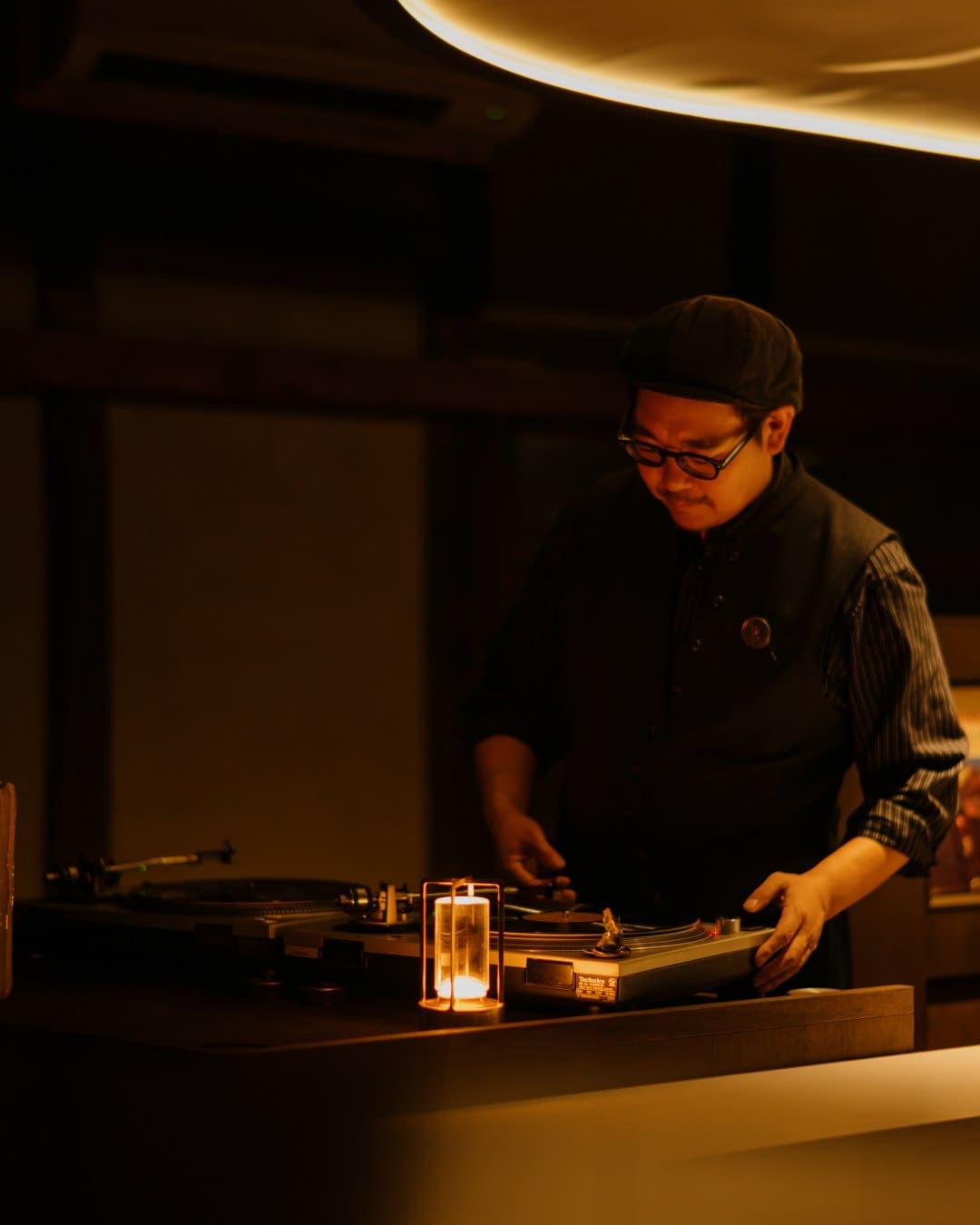
This coffee roastery and jazz kissaten spans the atmospheric interior of a centuries-old wooden structure along the scenic main street of Kumagawa. Owner Sho Nakajima plays vinyl records against a timberframe backdrop, in between serving hand-drip coffee brewed with local water, seasonal curries and homemade desserts.

Ryotei Kaikatei Annex
Best for: “Sou-An” Japanese cuisine in a landmark setting
Address: 3-9-21 Chuo, Fukui-shi, Fukui 910-0006, Japan
Revered architect Kengo Kuma is behind this contemporary interpretation of traditional Japanese dining. It is an extension of Kaikatei, a historic Fukui restaurant founded in 1890. The glass and timber pavilion sits alongside the original ryotei, creating a striking architectural contrast. Creative seasonal dishes might include their ‘crab powder snow’, where local Echizen crab is presented with a light and fluffy, snow-like texture. A modern take on Zen Buddhist ‘Shojin Ryori’ cuisine is an excellent plant-based option.

Hinohana at Villa Fuu
Best for: Counter dining celebrating Wakasa’s rich maritime heritage
Address: 20-8-1 Wada, Takahama-cho, Oi-gun, Fukui 919-2201
This intimate counter restaurant showcases seafood from the Sea of Japan. The restaurant is located within Villa Fuu, a collection of private villas on Fukui’s Wakasa coast in Takahama. Modern artworks line the walls, while dishes might include local Wakasa Wagyu beef and local seafood slow-roasted over a wood fired-heath.
Unagiya Moemon
Best for: Traditional unagi with lake views
Address: 72-9 Kaizan, Wakasa-cho, Mikatakaminaka-gun, Fukui 919-1461
As its name suggests, Unagiya Moemon focuses on unagi, or grilled eel. Set on the edge of Lake Mikata in Fukui’s Wakasa region, freshwater eel is grilled over charcoal and served on rice, while large windows frame views of surrounding lake, rice fields and forestry.

Cultural attractions
Eiheiji Temple
Best for: A major Zen Buddhist temple
Address: 5-15 Shihi, Eiheiji-cho, Yoshida-gun, Fukui 910-1228, Japan
Price: 700 JPY / 4.32 USD per adult
One of Japan’s largest temples, Eiheiji – also known as Temple of Eternal Peace – is a spiritual pulse point for Zen Buddhism. Founded by Zen master Dogen in 1244, Eiheiji – one of two head temples of the Soto Zen sect – spans an atmospheric complex of traditional architecture, with wooden staircases and tiled rooftops cascading down a mountainside, all wrapped in seasonal trees. Far more than a sacred relic, Eiheiji is an important working temple, humming with the daily rhythm of around 100 trainee monks residing there (poetically known as unsui or “clouds and water”). As a result, it offers an unusually authentic glimpse into Zen life – from the deep scents and sounds of early morning prayer sessions; to the silent cleaning of wooden corridors.
Fukui Prefectural Varve Museum
Best for: A geological museum designed by architect Hiroshi Naito
Address: 122-12-1 Sekumi, Wakasa-cho, Mikatakaminaka-gun, Fukui 919-1331
Located beside Lake Suigetsu, the Fukui Prefectural Varve Museum is dedicated to one of the world’s most important geological archives: 70,000 years of annually layered sediment, known as varves. Designed by acclaimed architect Hiroshi Naito, the museum translates complex earth science into an immersive experience, revealing how the lake’s sediments have helped scientists establish a global benchmark for dating climate and environmental change.
Familiar Beachside Village
Best for: A local surf hub on Wakasa Wada beach, with a casual restaurant and craft beer.
Address: 110-26-3 Wada, Takahama-cho, Oi-gun, Fukui Prefecture 919-2201
Inspired by the idea of community, local surfer Shungo Imai helms Familiar Beachside Village, home to a buzzy café and guesthouse (with its own craft beer). “Here, the atmosphere is relaxed and peaceful, there is a local feel, good seafood and crab in winter and the sunsets are beautiful,” he says. “Surfers are coming here to find good waves in the winter. The community is growing.”


