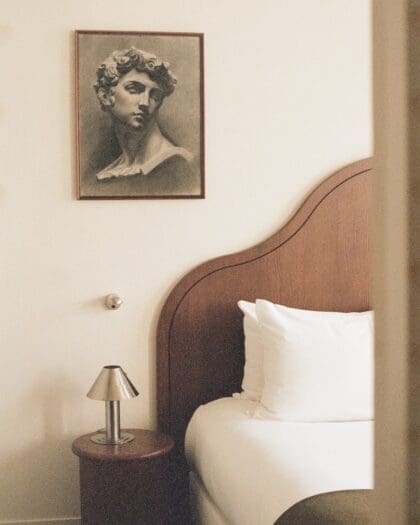
The art of hotels: where guest room meets gallery
Hotels are increasingly blurring the worlds of art and hospitality by displaying museum-quality works and supporting new talent. Roadbook highlights the properties redefining cultural curation.
Dining alongside Salvador Dalí, sipping cocktails beneath a Picasso, or sharing a room with Andy Warhol – often, the art in a hotel can rival that of the city’s finest museums.
Art in hotels is nothing new. But a vanguard of properties is pushing the boundaries of exhibiting and sourcing art, from securing rare pieces to installing ambitious installations and supporting emerging and local talent – all of which enhance the immersive hotel experience, while introducing art to a broader audience.
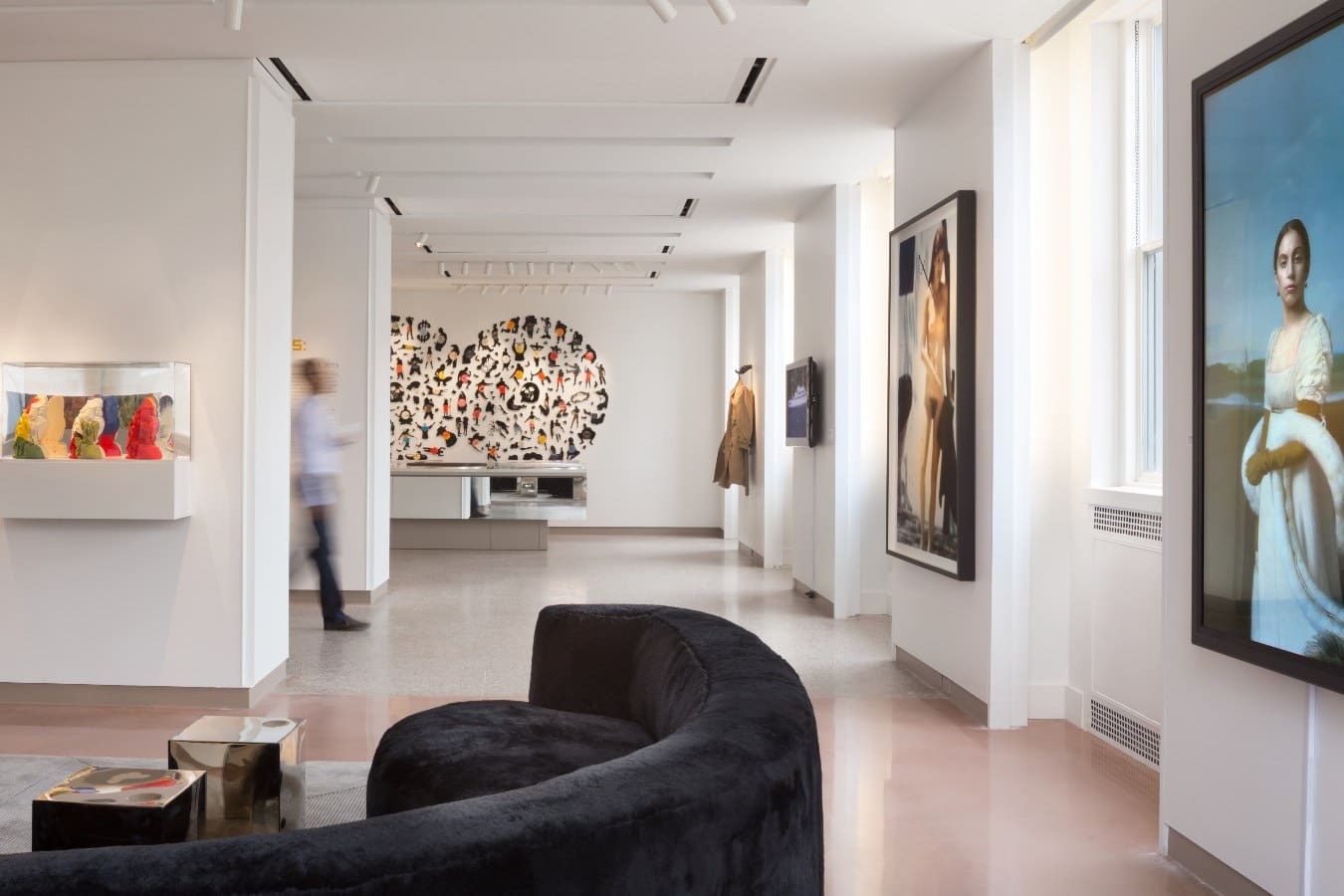
21c is a group of ‘museum hotels’ that combines a contemporary art gallery experience with boutique hotel hospitality. Art collectors Laura Lee Brown and Steve Wilson opened the first location in their hometown of Louisville in 2006. The move was credited as being instrumental in regenerating the city’s downtown, which is now a thriving hotbed for creativity, and a popular digital nomad destination.
The portfolio includes six locations across the South and Midwest, including Louisville, Bentonville, and St. Louis. “21c Museum Hotels was founded with the mission to share innovative contemporary art with the public, in areas that have historically lacked access to thought-provoking art,” says Alice Gray Stites, museum director and chief curator.
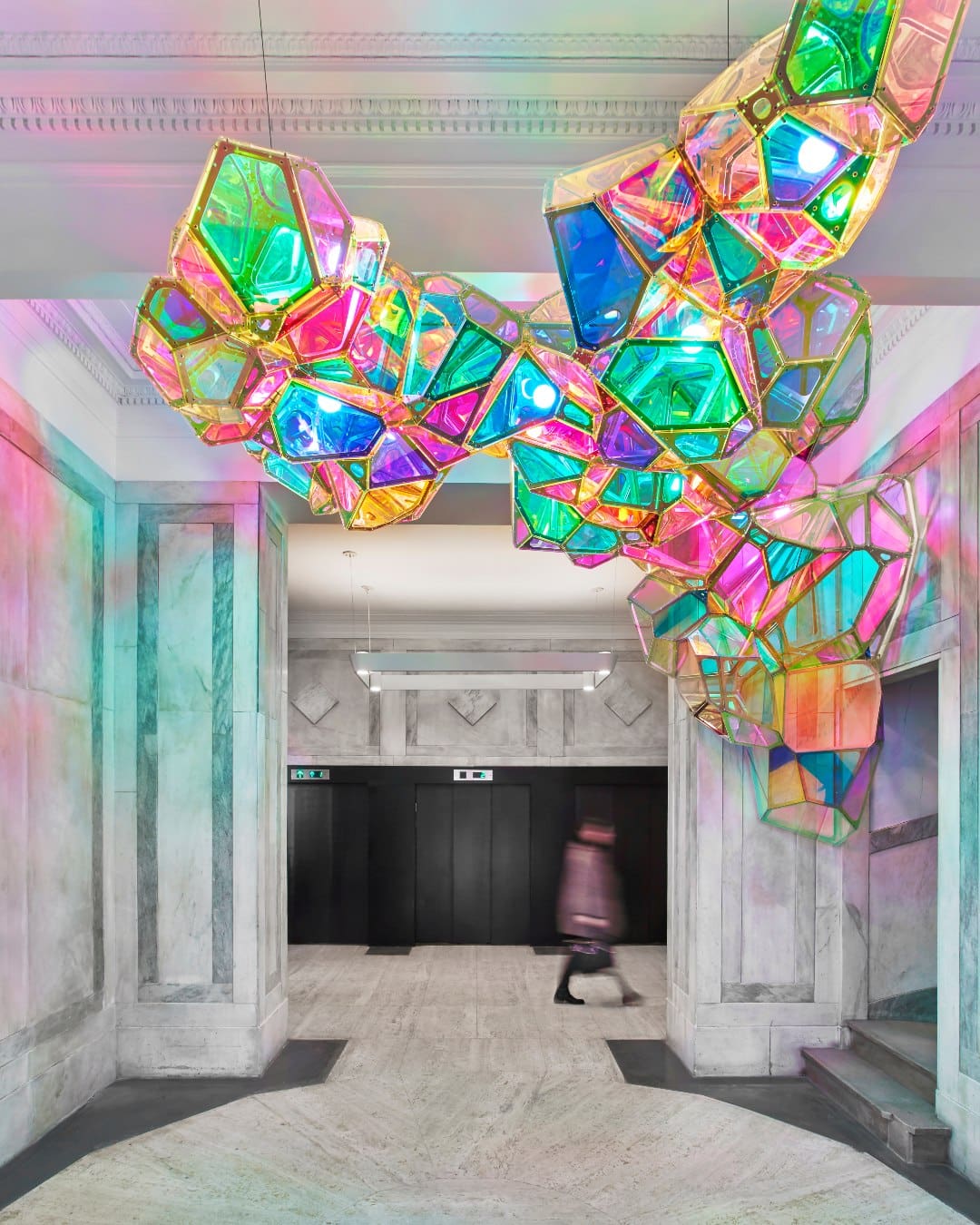
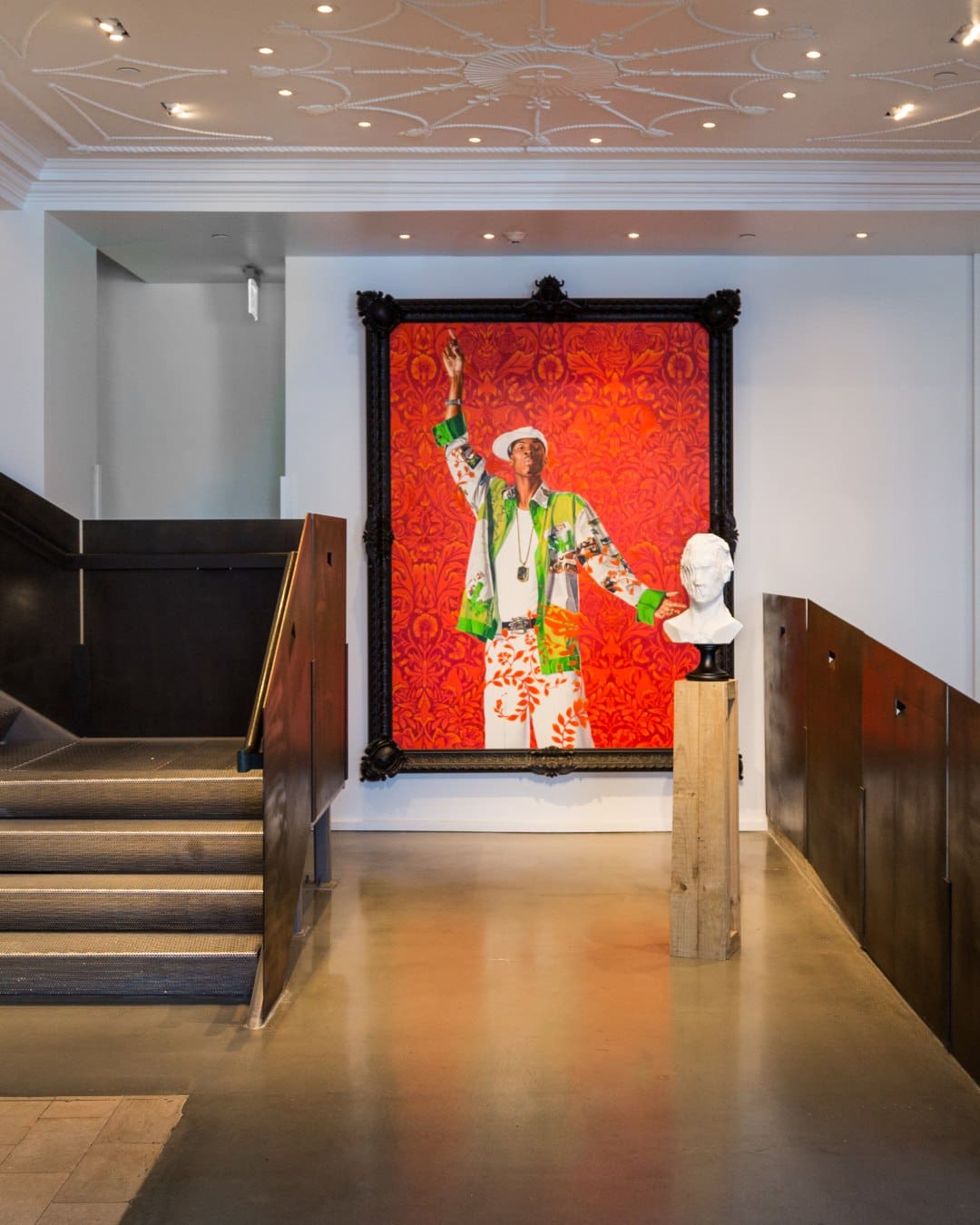
With more than 3,000 works within its collection, art infuses every inch of its properties. Large-scale site-specific installations are selected with the goal of transforming spaces within and outside of the buildings. In Lexington, Kentucky, a kaleidoscopic crystalline structure by New York studio SoftLAB fills the entrance, casting ethereal colour throughout the space. In downtown Louisville, a 30 ft tall golden replica of Michelangelo’s David by Serkan Ozkaya – twice the size of the original – anchors the corner of 7th and Main Streets.
“That sculpture’s journey, from Istanbul through the streets of New York City to Louisville, was a great adventure,” recalls Stites. “At any 21c property, visitors will be immersed in the visions of dozens of artists, whose work reflects shared concerns, ideas, and issues, ranging from the environment to technology and labour, gender and race.”
Hotels are acting as galleries, collectors and incubators
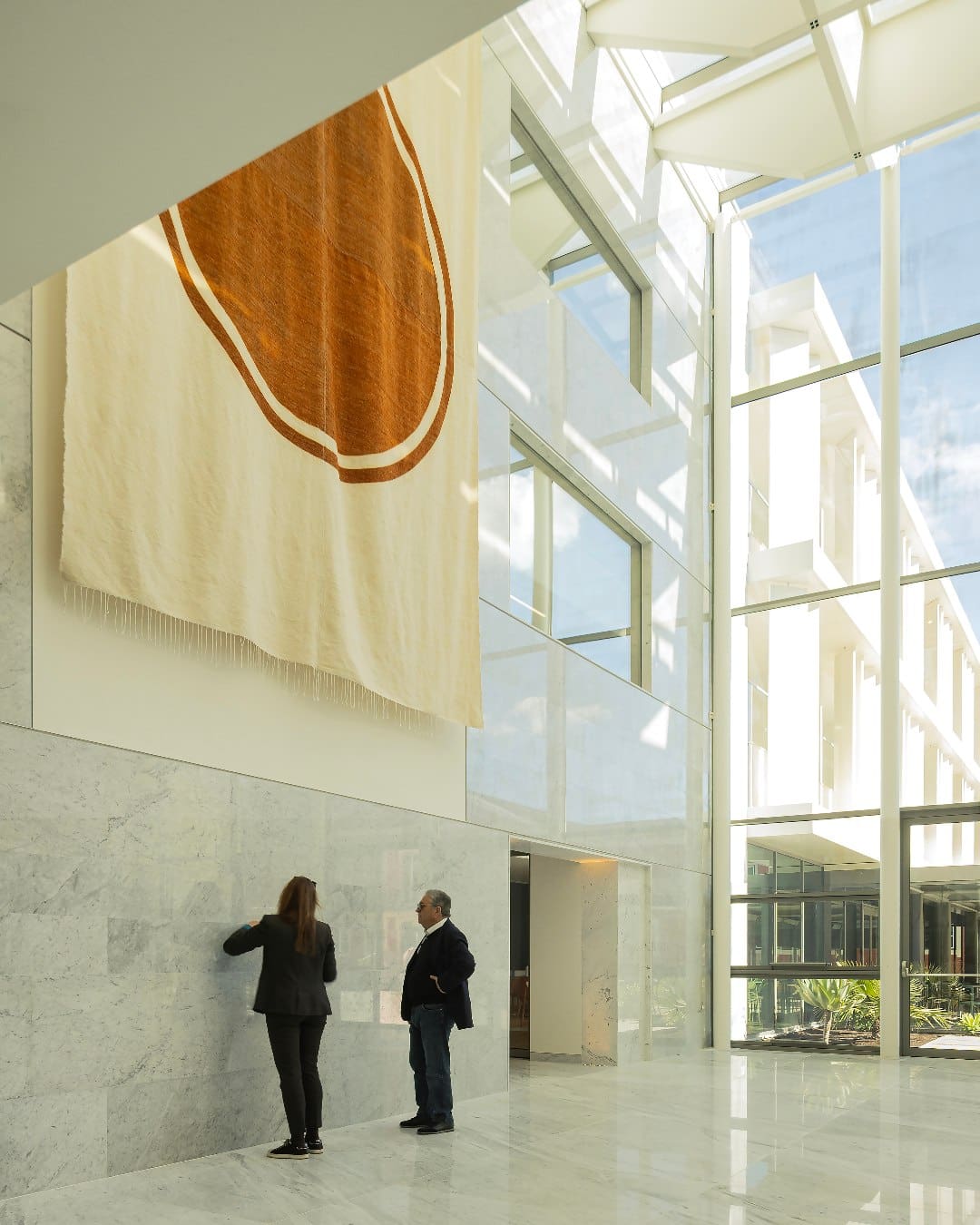

Art collectors often turn their attention to hotels. In Lisbon, MACAM (Museu de Arte Contemporânea Armando Martins) opened in 2025, as both a museum and a hotel founded by art collector Armando Martins to house his extraordinary collection. Occupying an 18th-century mansion in the thick of Lisbon’s cultural districts, works by Paula Rago, Marina Abramović and Portuguese modernists Amadeo de Souza-Cardoso, Júlio Pomar and Maria Helena Vieira da Silva are on display across four galleries.
A painted bronze deer by Portuguese artist Miguel Branco takes prime position outside the building, alongside a colourful steel and glass sculpture by José Pedro Croft.
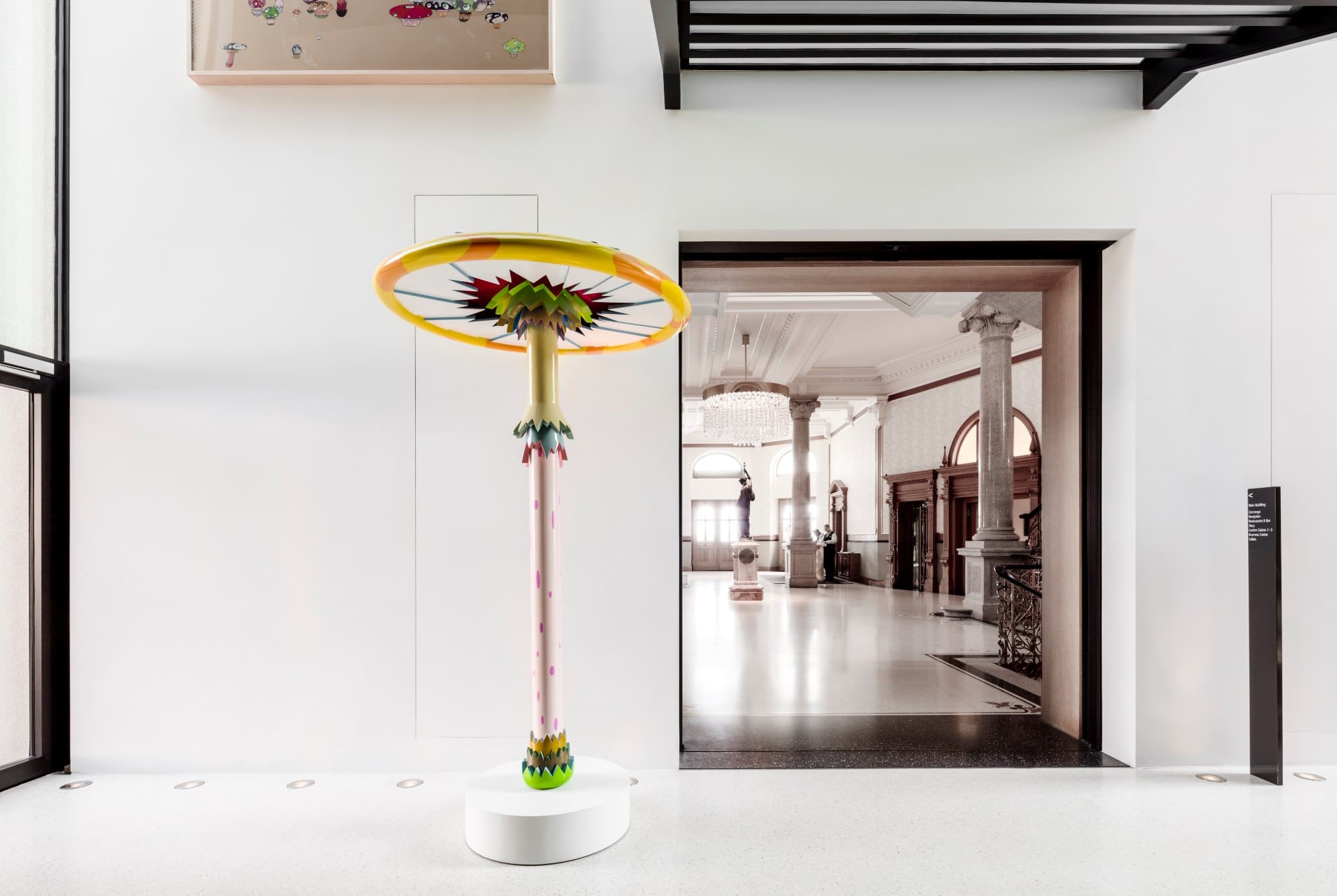
The Dolder Grand, which sits on a verdant hill above Zurich, is owned by billionaire collector Urs Schwarzenbach. The property is a home for his impressive stockpile, which includes works by Salvador Dalí, Anish Kapoor and Joan Miró. The works are not without controversy: Schwarzenbach has been in and out of court over charges of tax evasion in connection with importing art, a matter that has since been resolved. Those visiting the hotel can bubble in a hot tub next to a Fernando Botero sculpture, while the Saltz restaurant is an immersive work of art in its own right, designed by artist Rolf Sachs.
“Hotels have an incredibly broad array of guests, from different cultures and backgrounds. Creating a curatorial experience that can appeal to such a diverse audience requires incredible sensitivity,” comments James Hedges, who manages the art programming of The Beverly Hills Hotel and Hotel Bel-Air in Los Angeles, both noted for their gallery-like spaces, which host rotating exhibitions throughout the year. “Art is not merely about decor, it is yet another aspect of the guest journey. Our goal is to increase the ‘delight factor’ and engage our guests with intellectual stimulation.”

Meanwhile, Palace Hotel Tokyo has an entire coffee table tome dedicated to its extensive collection of art, which honours Japanese design and crafts, curated by the city’s prestigious Art Front Gallery. “Thankfully, nothing has ever been damaged. There may have been a minor chip or scrape on one of our sculptural pieces, but Art Front is quick to swoop in and oversee any mending,” says senior managing director and general manager Masaru Watanabe. “The gallery also offers guidance to our staff on how to properly handle and clean the various pieces.”
Inspired by the hotel’s natural surroundings, the museum-worthy curation includes abstract floral works by Huang Yuanqing and Masahito Katayama, alongside newly unveiled contemporary paintings by Naoto Sunohara. “We often spot guests enjoying the pieces in much the same way as one would enjoy a gallery or museum visit. Some have also expressed interest in acquiring the same or similar art, and it’s always a joy when we’re able to make that happen.”

At The Fife Arms in Braemar, Scotland, guests are greeted by Pablo Picasso’s Femme assise dans un fauteuil (Woman seated in an armchair)’, 1953, which hangs on a plaid tartan wall in The Drawing Room. It is from the personal collection of owners Iwan and Manuela Wirth, of Hauser & Wirth fame. The curation draws on the property’s Caledonian roots, including a stag’s head sketched by HM Queen Victoria and an ornate chimney carved with various scenes from the works of Scottish poet Robert Burns. Unexpected contrasts include contemporary photography by Turner prize winner Martin Creed.

Impressive art is not limited to luxury hotels and billionaire collectors. In Paris, Hôtel des Academies et des Arts doubles as a gallery and studio. Once home to the studio of Italian painter Amedeo Modigliani, interiors have been reimagined by architects Stéphanie Lizée and Raphaël Hugot. Part of the Chapitre Six hotel portfolio – known for bringing characterful addresses back to life – it retains its artistic soul, right down to the easels and brushes available to guests.
Franck Lebraly’s pastel frescoes cover bedroom ceilings, while works by artists such as Charlotte Culot, Caroline Leseur and Marie-Laure André-Novak are displayed throughout the hotel. Guests are also invited to join life drawing classes at the revered Académie de la Grande Chaumière, located across the street.

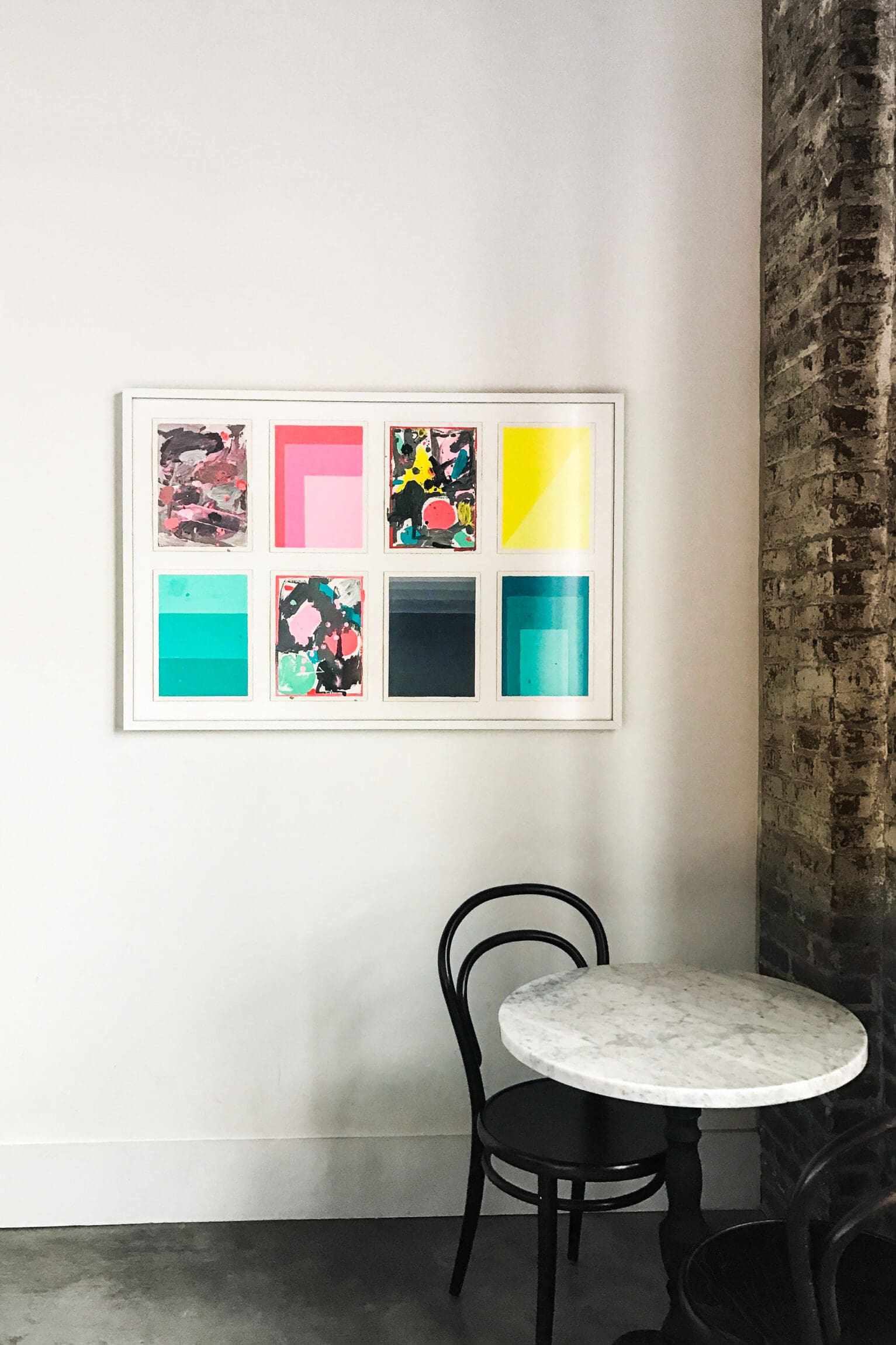
Wythe Hotel in Williamsburg, New York, also serves as a incubator for local talent. Large-scale murals cover the exterior of the building, while hundreds of works on paper adorn the exposed brick walls of the lobby and public areas. Each piece is accompanied by a framed text, providing insight into the art much as a gallery would. Peter Lawrence, owner of Wythe, recently appointed Alessandra Gómez as the hotel’s in-house curator. “We present art to a diverse audience, who might never wander into a gallery,” she notes.
Recent highlights include an exhibition of emerging talent including Dylan Rose Rheingold, Donyel Ivy-Royal and Jean-Pierre Villafañe. The hotel also hosts figure drawing workshops in Le Crocodile restaurant’s cellar, alongside independent film screenings, live performance art, and rotating exhibitions. “These gatherings are as much about community-building as they are about the art itself,” says Gómez.

Taking things one step further, BnA Hotels (think, ‘bed and art’) in Tokyo bills itself as an Art Hotel Collective, which aims to support Japanese artists and connect travellers to the city’s local creative community. The concept launched in 2015 with two Airbnb rooms, and now has three hotels across the city, as well as a ‘museum hotel’ in Kyoto, all with rooms and public spaces uniquely designed by a local artist.
“We noticed a lack of small independent art galleries in Tokyo showcasing up-and-coming Japanese talent,” comments co-founder Keigo Fukugaki. “We designed a mutually beneficial ecosystem within which both artist and traveller can benefit.” Whether ensconced in a psychedelic neon mural or sleeping beneath a beguiling suspended installation, BnA creates a fully immersive and unique experience, which draws a naturally creative and curious crowd.
Whether acting as an incubator for emerging talent, or a custodian for some of the world’s great masterpieces, the ever-evolving entwinement between art and hotels continues to redefine and disrupt how we consume art. Or, in the case of BnA, sleep within it.


