
Serviced apartments are entering a creative era
Blurring the lines between hotel and home, serviced apartments and the growing aparthotel market are evolving as design-forward, culturally attuned bases, whether staying for one week or several months.
A fully-equipped kitchen with a La Marzocco coffee machine on view; a spacious living area for entertaining visitors; ample workspace and a signature scent, drifting through bedrooms designed for deep rest. A temporary home to call one’s own has never looked or felt better.
Serviced apartments are, of course, nothing new. Fraser Suites and Ascott have long pioneered the segment. What is distinctive, however, is a fresh focus on branded spaces emphasising wellness, design and local culture, alongside a sharp eye on sustainability.
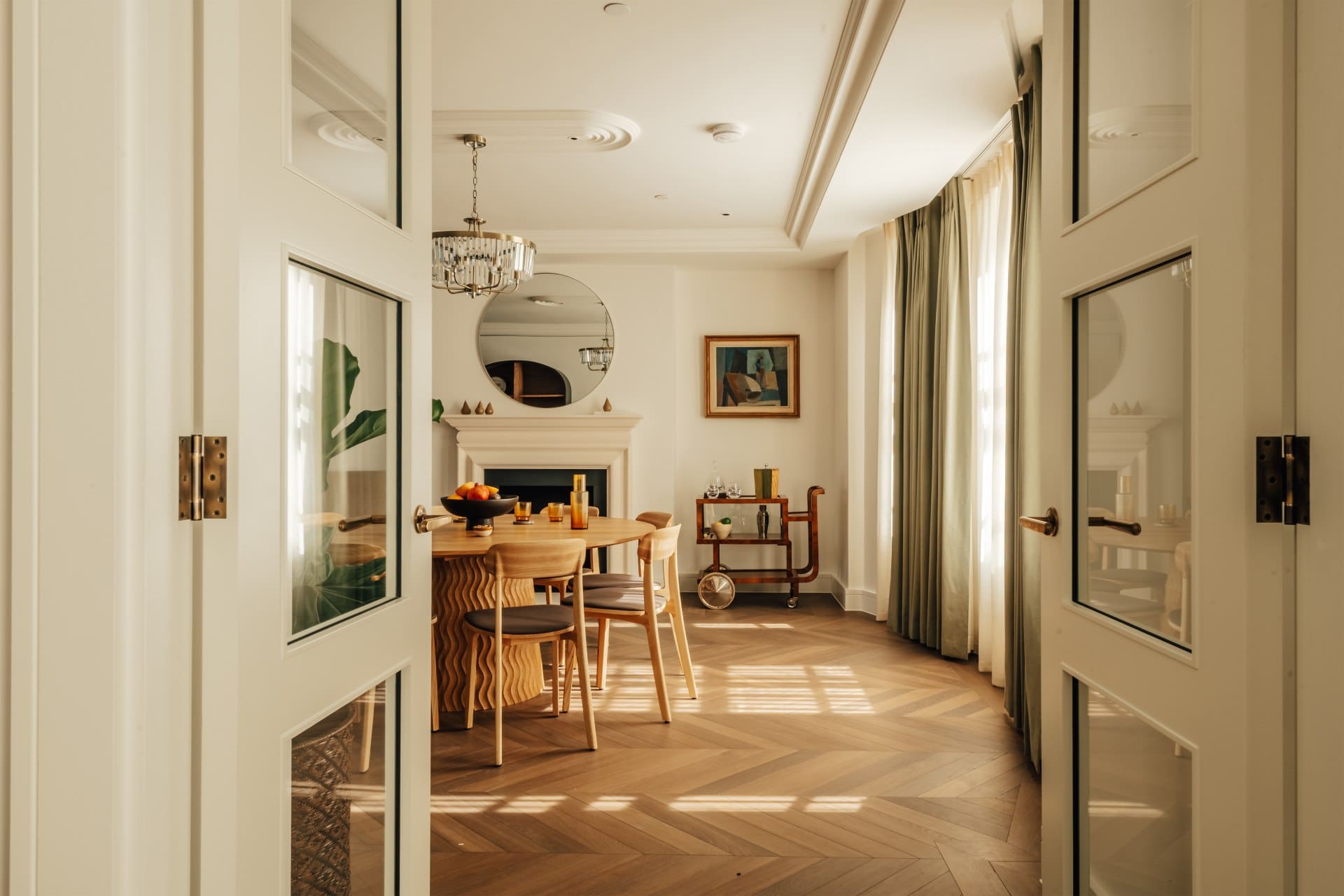
As its name implies, the newly opened SLO in London focuses on mindful living. Luxury apartments are furnished with British makers: oak dining tables crafted by Galvin Brothers in Yorkshire, ceramics by Henry Holland, and a swathe of local artists on the walls. Hypnos mattresses, anatomē toiletries and considered soundproofing ensure a restful night, while Mayfair clamours below.
Housed in a neo-Georgian building, the property retains its historic charm while embracing modern sustainability innovations including advanced insulation, solar panels and air purification systems to maximise energy efficiency. Each stay is measured for its carbon footprint, taking into consideration how a guest travels and uses the space. A concierge is also on hand to assist with restaurant bookings and gallery passes.
A one-bedroom apartment is priced at 550 GBP per night, while an expansive deluxe two-bedroom goes for 1,900 GBP. With luxury hotel rooms in Mayfair starting upwards of 1,000 GBP, serviced apartments are carving out a compelling value proposition.
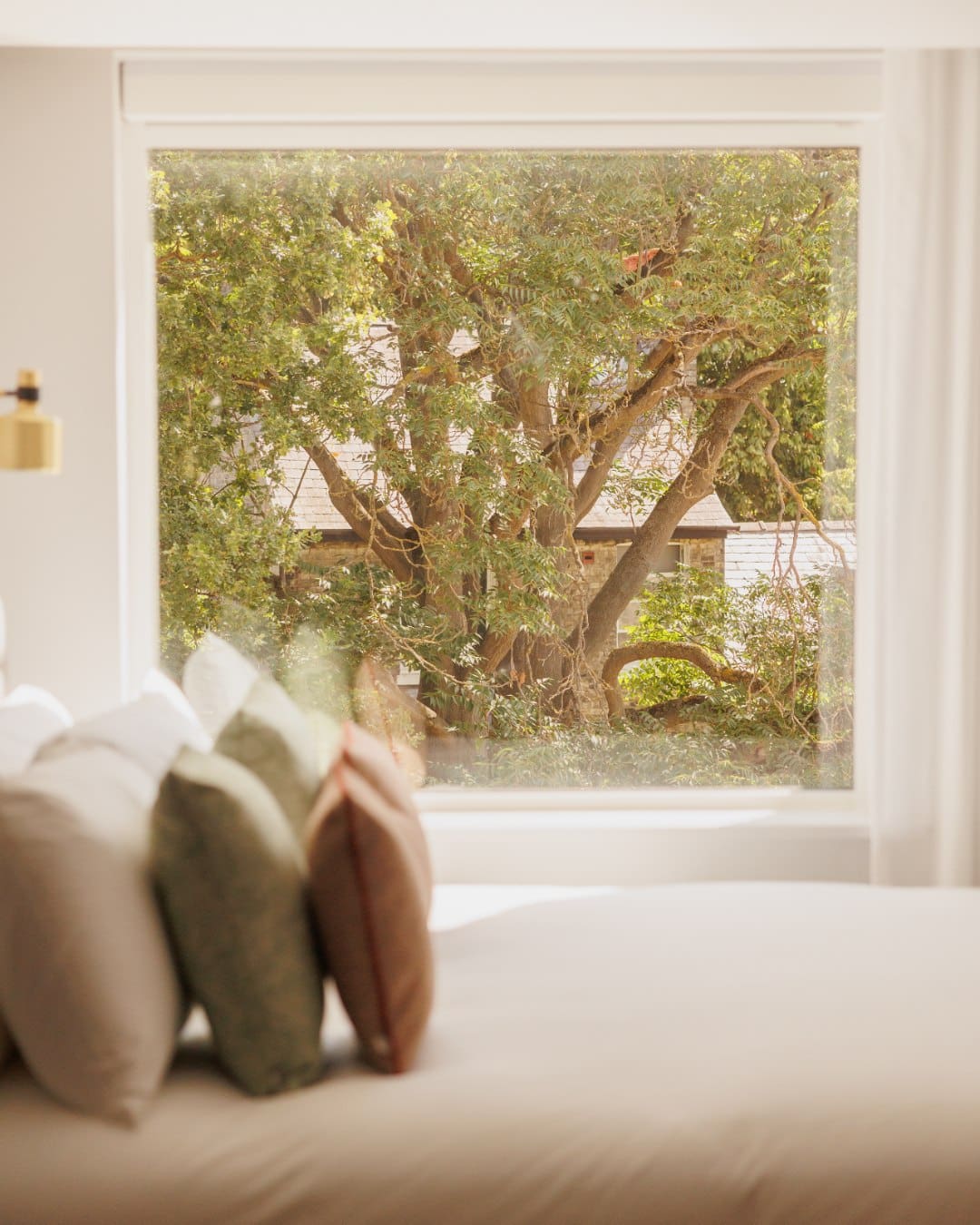
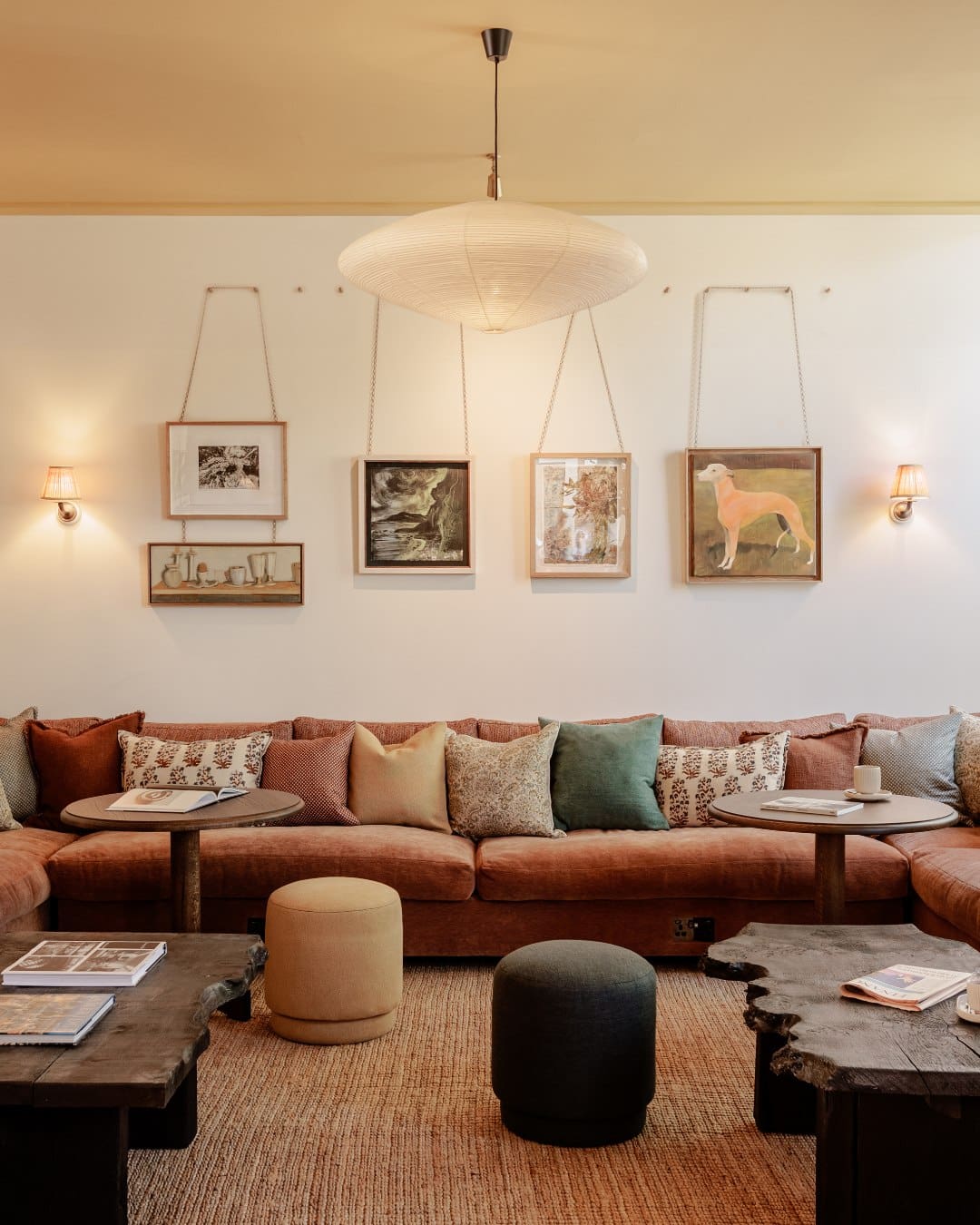
“Modern travellers don’t just want a hotel room; they want a base.”
SLO is the luxury arm of Nestor, which operates serviced apartments across London. “We launched during the rise of Airbnb, offering affordable alternatives to hotels,” says co-founder Fran Milsom. “We have evolved alongside the market to prioritise sustainability, design and space.”
Its evolution signals a new expectation among travellers. “Flexible stays are now a core segment rather than a niche. Five years ago, three-month stays were unusual; now they are common,” Milsom continues. “Modern travellers don’t just want a hotel room; they want a base.”
“Back in the 2000s, serviced apartments were vital to international business, providing long-stay solutions for mobile executives and project work,” recalls Michael Parker, CEO of Roadbook. “They offered space and independence, but dated decor and limited services held them back. The world has moved on and it seems only now is the segment on the front foot again, with double-digit growth and real brand innovation.”
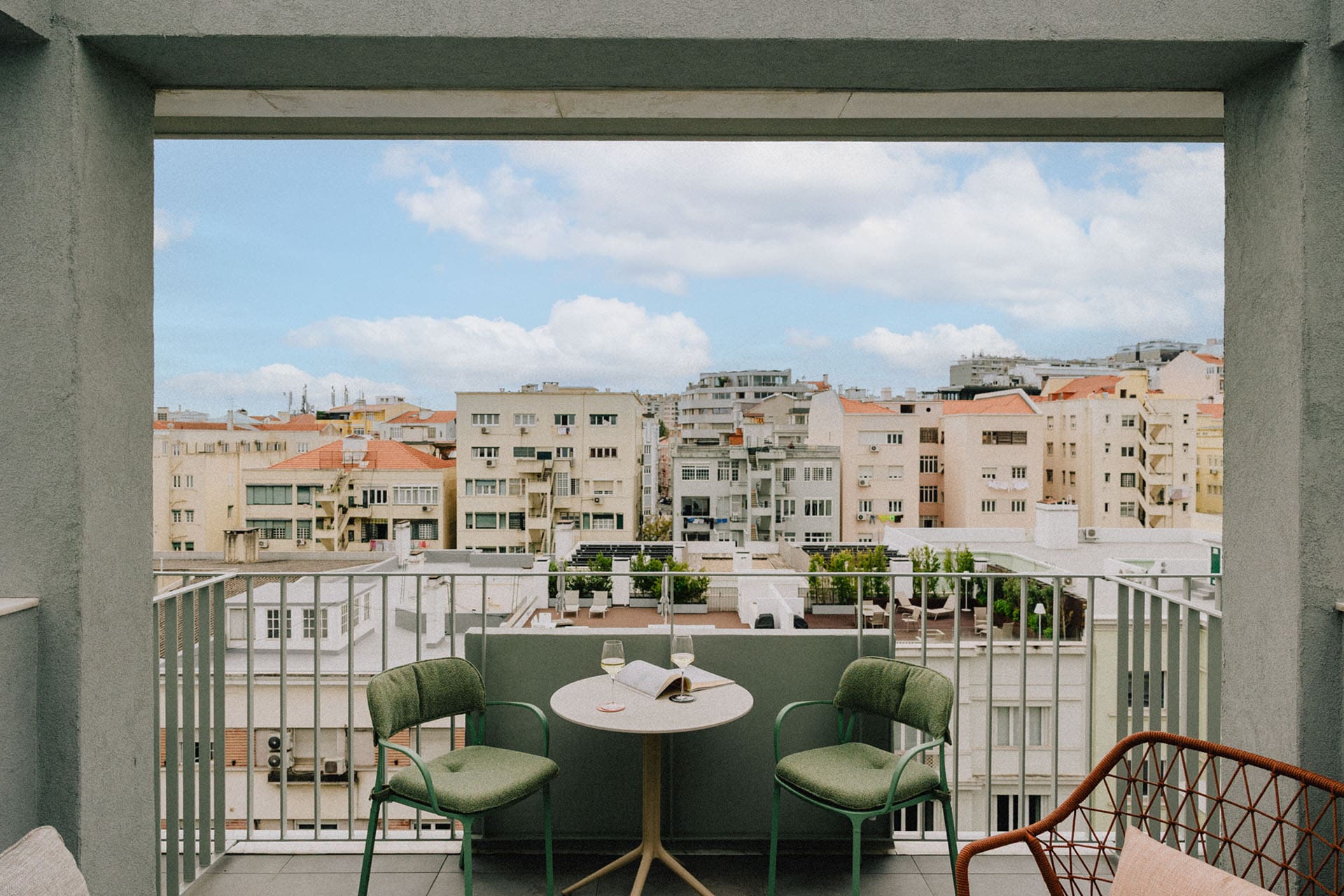
The sector has evolved to include aparthotels, which offer additional amenities typical of a hotel. “Before the pandemic, serviced apartments were largely corporate accommodation, typically booked by travel management companies rather than individuals,” says James Foice, CEO of the Association of Serviced Apartment Providers (ASAP), a global not-for-profit representing the industry. Today, families, film crews and digital nomads are among the growing share of guests. “They have evolved from individual apartments scattered within residential blocks to professionally operated, branded aparthotel-style buildings managed by dedicated operators.”
ASAP works to distinguish the sector from the informal short-let market, where concerns around housing supply and community impact have been widely raised. ASAP also encourages members to demonstrate sincere sustainability practices, with many purchasing exclusively renewable energy. “It’s a small detail, but it reflects the kind of thinking that’s becoming more common across the sector.”
When staying in a serviced apartment, guests control their own food waste, utility usage and laundry, “rather than handing all that over to a housekeeping and the bleach brigade,” says Becky Hoyle, director of communications at ASAP. “One of our members is so focused on sustainability that he cleans individual bathroom taps with a lemon.”
ASAP members include leading brands such as Room2, a pioneer in sustainable hospitality from the Lamington Group, and Wilde Aparthotels. Owned by StayCity, it is considered the group’s premium offering, including locations in Vienna, London and Amsterdam. Guests typically stay anywhere from three nights to several months; the longest-staying resident has been there for more than a year.
“Serviced apartments are evolving rapidly. Travellers want the flexibility and independence of apartment-style living,” says Jacinta Phelan, chief creative officer at StayCity. At Wilde, wellness is taken a step further, with careful attention to indoor air quality, oxygen flow and minimising electromagnetic interference, to help guests sleep more naturally.


Hotel branded luxury residences
For high net-worth travellers, the comfort and autonomy of serviced apartments extend beyond temporary stays. An exclusive tier offers a more permanent proposition: luxury branded residences, licensed under world-leading hospitality brands. These real estate assets are designed to be owned rather than rented, providing privacy and long-term investment.
Rosewood, Six Senses, 1 Hotels, Mandarin Oriental, Aman and, in conclusion, any luxury hotel group worth its stars offers these as an extension of its lifestyle portfolio. “Branded residences have moved from an option to an expectation,” says Jillian Katcher, vice president of operations, Americas at Rosewood Hotel Group. “Looking ahead, the lines between “home” and “hotel” will continue to soften.”
Also on the luxury scale, Firmdale Hotels, which operates 11 luxury addresses across London and New York, offers 24 serviced apartments at Ham Yard Hotel in London. Known as One Denman Place, these can be rented and are every inch as stylish and textile-rich as the adjacent five-star property. American travellers make up the majority of occupants, including several long-term residents who renew their stays annually. Hotel suites start from 1,400 GBP per night, while residences are priced at around 7,000 GBP per week, again making them a more cost-effective option for extended luxury stays, albeit for the one per cent.

The rise of both branded residences and serviced apartments reflects how work and travel have shifted in recent years, blurring business, leisure, short stays and relocation. For many, once they have experienced the ease, square footage and kitchen facilities of a serviced apartment, they are reluctant to return to the confines of a hotel room.
A new era of design is elevating the humble serviced apartment into intelligent, design-forward living. While discretion and comfort are central, there is scope for curated, club-like events that bring residents together, alongside collaborations with like-minded local brands. When done right, these spaces transcend convenience to foster community, serenity and, above all, a space that genuinely feels like home.


