My City: Toronto
A local writer shares a softer side of Toronto, revealed through independent cultural spaces, thrumming patios and flourishing public art.
If I were to meditate on what it means to be Torontonian, I’d say we are each the sum of the city’s many multicultural parts. For generations, Toronto has beckoned people from all corners of the world, and the diasporic experiences we encounter hone an outlook that is welcoming, curious and intrepid – much like the inventive interpretations of global cuisines that inspire its kitchens.
My father’s family came to the city from Scotland and my mum is Macedonian. Such a genetic combination is rare around the world, I’m sure, but it’s unsurprising in a city like this. In the downtown core alone, a diverse patchwork of neighbourhoods stretches from Little India in the east end to Little Jamaica in the west. More suburban stretches of the city, such as Scarborough – where I grew up – contain a multitude of cultures. Scarborough is often considered one of the best places in Toronto for food because of its remarkably diverse communities.

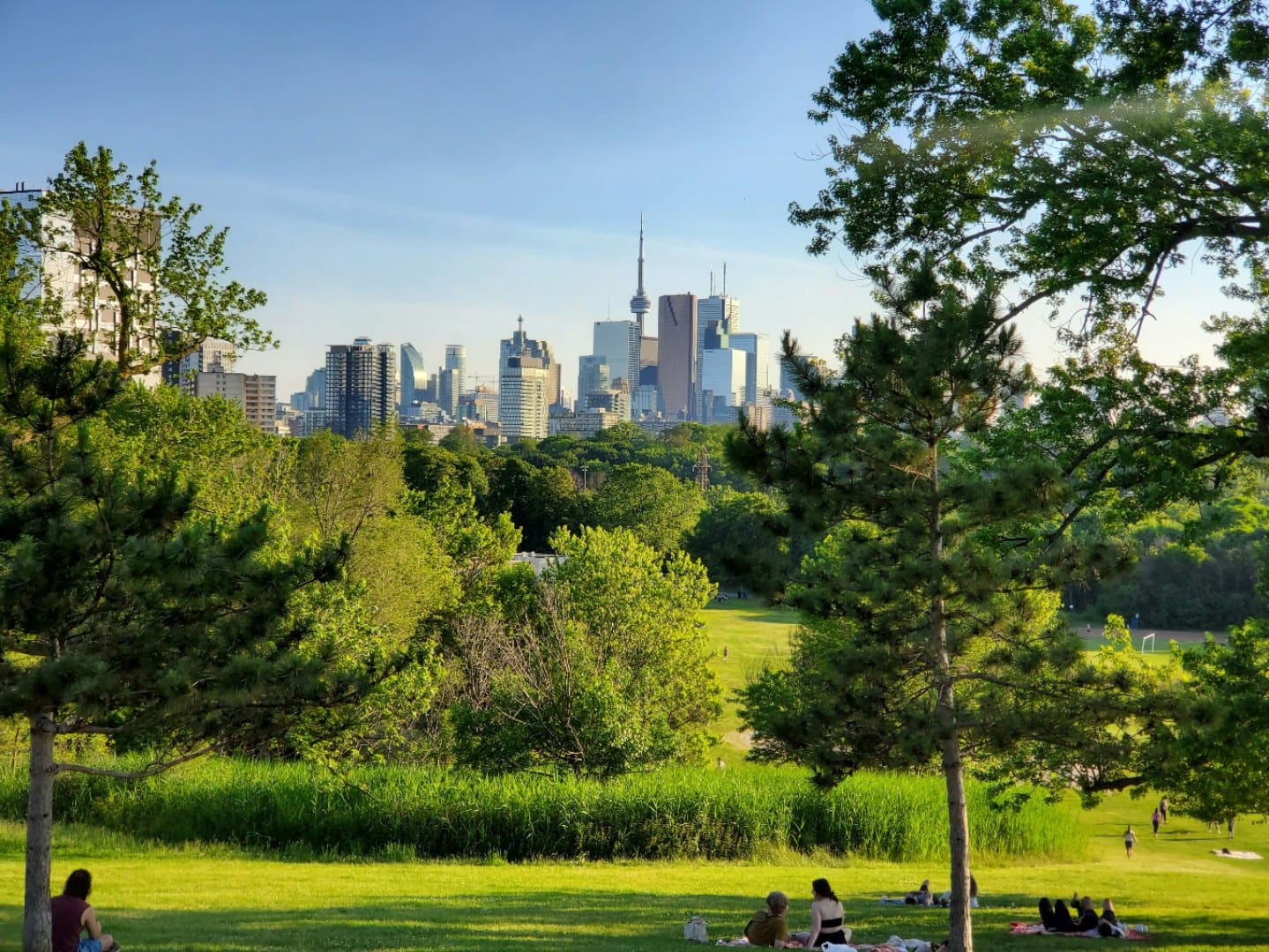
As its global profile grows, Toronto is typically known for its more bombastic signifiers: the CN Tower’s ostentatious needle, rap beef raconteur Drake – the city’s most recognisable cultural export – and its vast, fast evolving skyline.
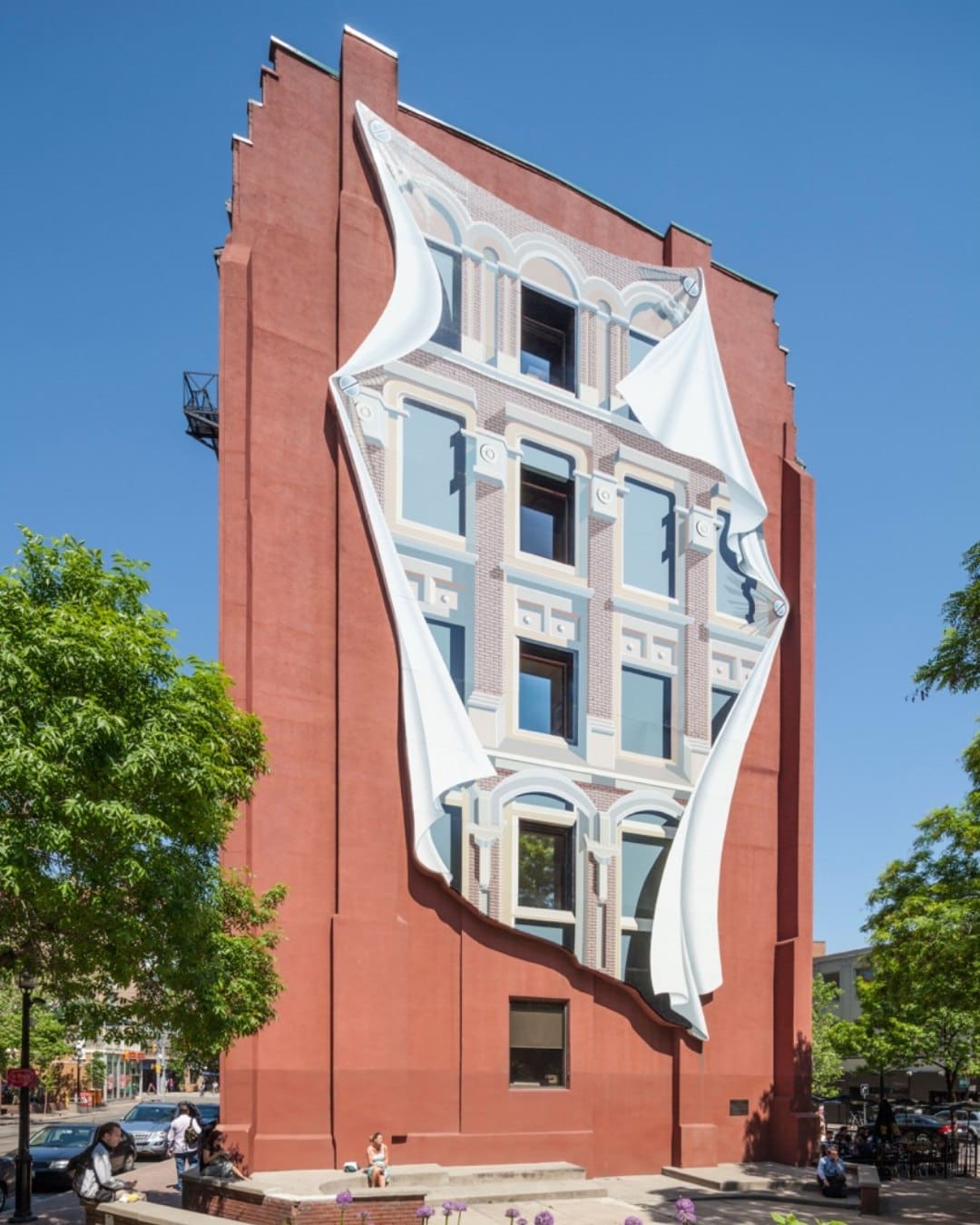
The city’s appeal also lies, however, in its quieter, unexpected moments. Take the silent swish of the simulated fabric in Canadian artist Derek Michael Besant’s trompe l’oeil Flatiron Mural, which covers one side of the historic Gooderham Building, erected in 1892. Facing the charming footpaths of Berczy Park, it sits in the St Lawrence neighbourhood, where cultural landmarks abound – from the self-explanatory Hockey Hall of Fame to the frenetic food market from which the area gets its name, which also hosts a vintage market on Sundays.
Walk west along Front Street from Berczy Park and you’ll happen upon a statue outside the Canadian Broadcasting Corporation’s stalwart building: Ruth Abernathy’s sculpture of the famed late pianist Glenn Gould. In this bronze tribute, Gould slouches across a bench in quiet repose, as if paused in contemplation.
Gould is buried at Mount Pleasant Cemetery in midtown, which is more than just a resting place. It is one of Toronto’s most tranquil green spaces, intersected by the Beltline Trail. A free concert series also runs from late June to early August.
That same sense of calm continues in High Park, where wandering alongside Grenadier Pond, you’ll often encounter not another soul. Many times I’ve forest-bathed to the sound of woodpeckers, cardinals and red-winged blackbirds, mere steps from the bustle of the Bloor West Village neighbourhood, known for its intergenerational Ukrainian food businesses and florists. High Park’s solitude is disrupted only in spring during Sakura season, when thousands of locals and visitors descend on the park to see the splendour of cherry blossom trees gifted by the citizens of Japan to Toronto in 1959.
"We excel in nurturing independent, interdisciplinary ecosystems"


That same spring energy carries into patio season, when locals sip natty wine in Paradise Grapevine’s hidden back garden or kerb-side at Grape Witches, also home to a rooftop micro-apiary built in collaboration with the small-batch honey company Greenline Honey.
From here, you get a front row seat to the city’s style: upcycled and homemade garments and thrift mixed with unique designs from local brands like Suburban Deviant, Charles Lu and L’Uomo Strano. The more demure wear tailoring with sportswear accents, and everyone wears a baseball cap, from fashion designers and artists to bartenders and budtenders (working at Toronto’s legal cannabis shops).


The city’s creative spirit thrives in hidden backlane bars and discreet haunts with a DIY bent. We excel in nurturing independent, interdisciplinary ecosystems. 915 Dupont is one of the city’s leading third spaces, evolving from a collection of coffee shops to a HiFi lounge location, where you might catch Felix Da Housecat to local legend Skratch Bastid.
Toronto’s art scene offers a spatial antidote to white cube sterility, with a rich experimental culture. Mark Christopher Gallery occupies a charming two-storey house in Little Italy. Curated by director Mark Zadorozny, its exhibition programme has featured many Toronto-based talents from Atleigh Homma’s exquisite textile creations to Abbas Rizvi’s elegiac paintings.
The gallery is beside one of the city’s last remaining restaurant icons, the near 60-year-old Cafe Diplomatico, where locals are often seen lounging on the patio in summer. A passerby stops to ponder, “Should I check it out?”, and that curiosity is part of what makes Toronto what it is: a city full of promise at every turn.