
My City: Mumbai – an homage to the Indian metropolis
A local writer pens a love letter to the city she calls home, taking in its chaos, cool, and charismatic contradictions
When I first moved to Mumbai as a wide-eyed 17-year-old, I fell fast for the city’s vibrant chaos. It has the same enigmatic effect on most who arrive here. After all, it’s not homogeneity that is Mumbai’s badge of honour. (Or Bombay’s, if you’re a true old-timer. “Mumbai is a place, Bombay is an emotion,” as we like to say.) It means as many things as the number of people who live here, and at a population of 20 million, that’s really saying something.
Having lived across diversely different parts of the city, I can vouch for the inimitable pull of each neighbourhood. South Mumbai, with its art deco architecture, iconic Marine Drive, and old-money families, thrives on its historic charm. But once you cross the Sea Link bridge over Mahim Bay – even though SoBo natives will shudder at the thought – there’s a lot to discover in the suburbs too.
At the bridge’s terminus, Bandra has more coffee shops and yoga houses than people. Further north, Juhu is a repository of swanky, sea-facing houses inhabited by Bollywood stars (some with throngs of fans outside, hoping to catch a glimpse), and further north still, in Andheri, newcomers set down their bags for the first time to get their foot in the door – any door.
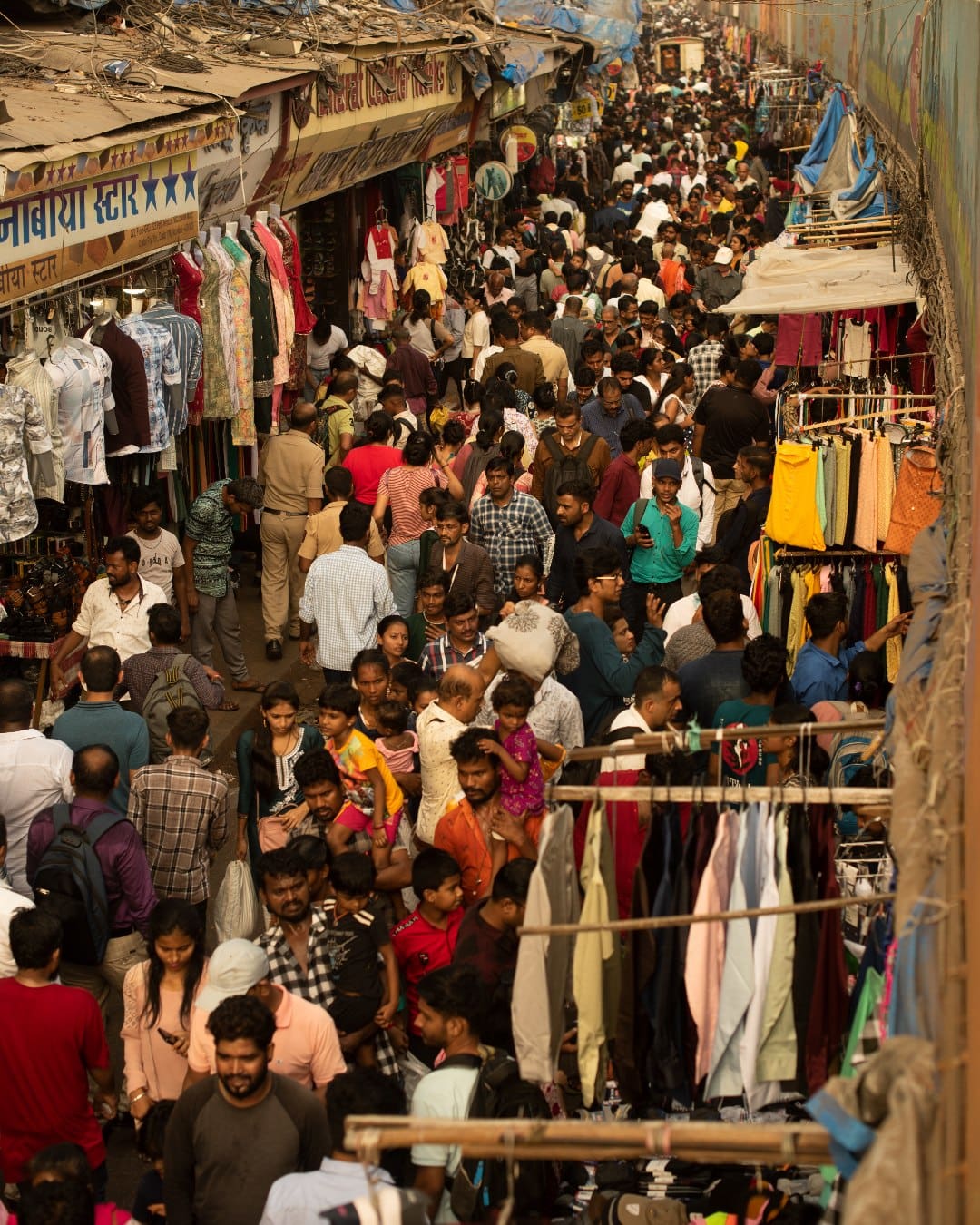
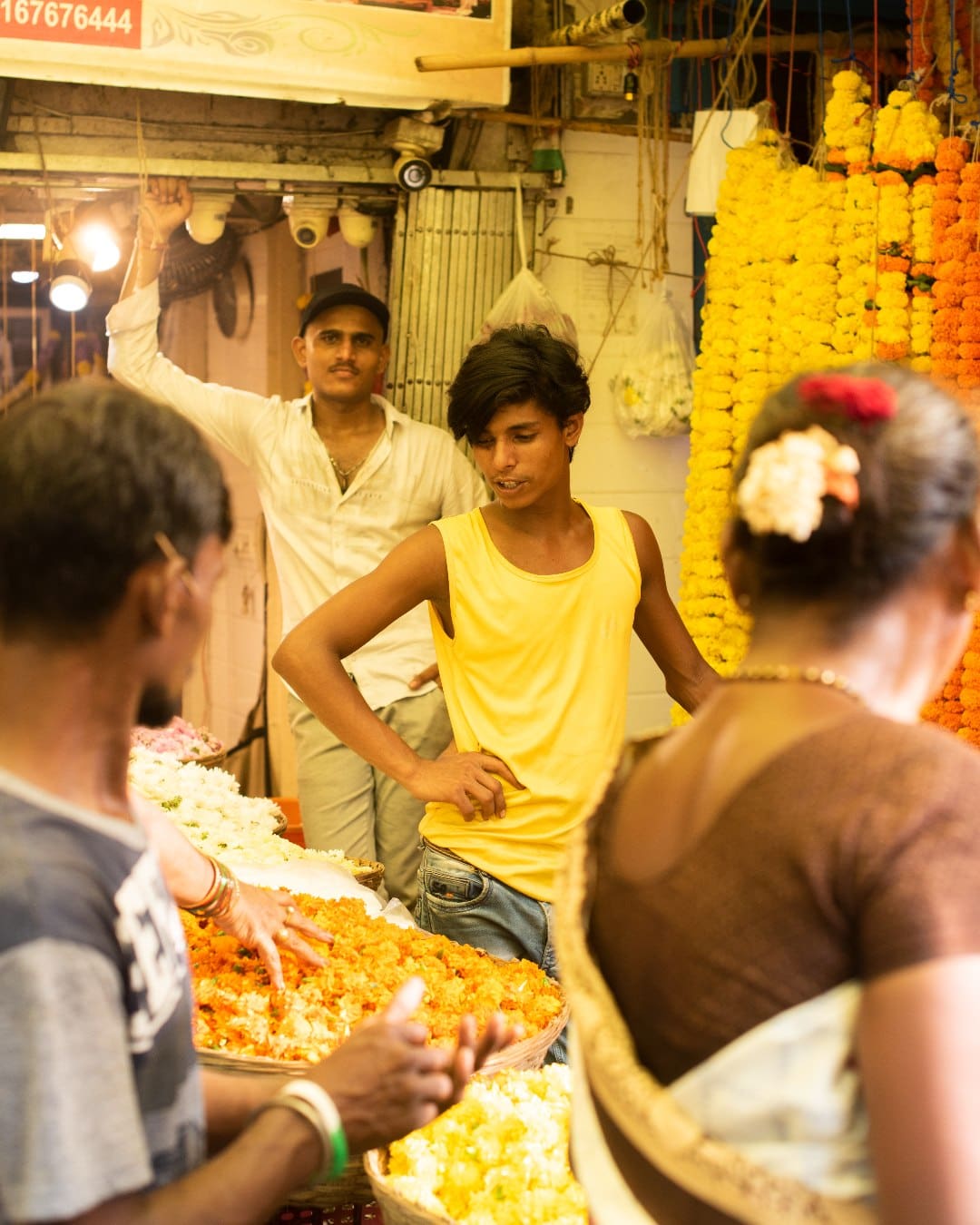
Those who visit from out of town always remark on how ‘chill’ everyone in Mumbai is compared to anywhere else in the country. “You can easily strike up a conversation with a stranger,” they’ll say with wonder. Yet those who call it home are constantly complaining about how everyone is so damn cliquey. We also gripe about the traffic, even though we rarely venture more than seven kilometres from our homes.
We’re high on the energy and bustle, but escape to Goa every chance we get. We have beaches, but we don’t sun ourselves on its shore – we go to the nearby town of Alibaug. We love how romantic the Mahalakshmi Racecourse and Worli Sea Face are during the monsoons, but hate how the annual rains bring the entire city to an abrupt halt. We have new restaurants cropping up every minute, but we always order from that trusty place down the road. We’re as snobbish about our coffee as we are about our vada pav dumplings.
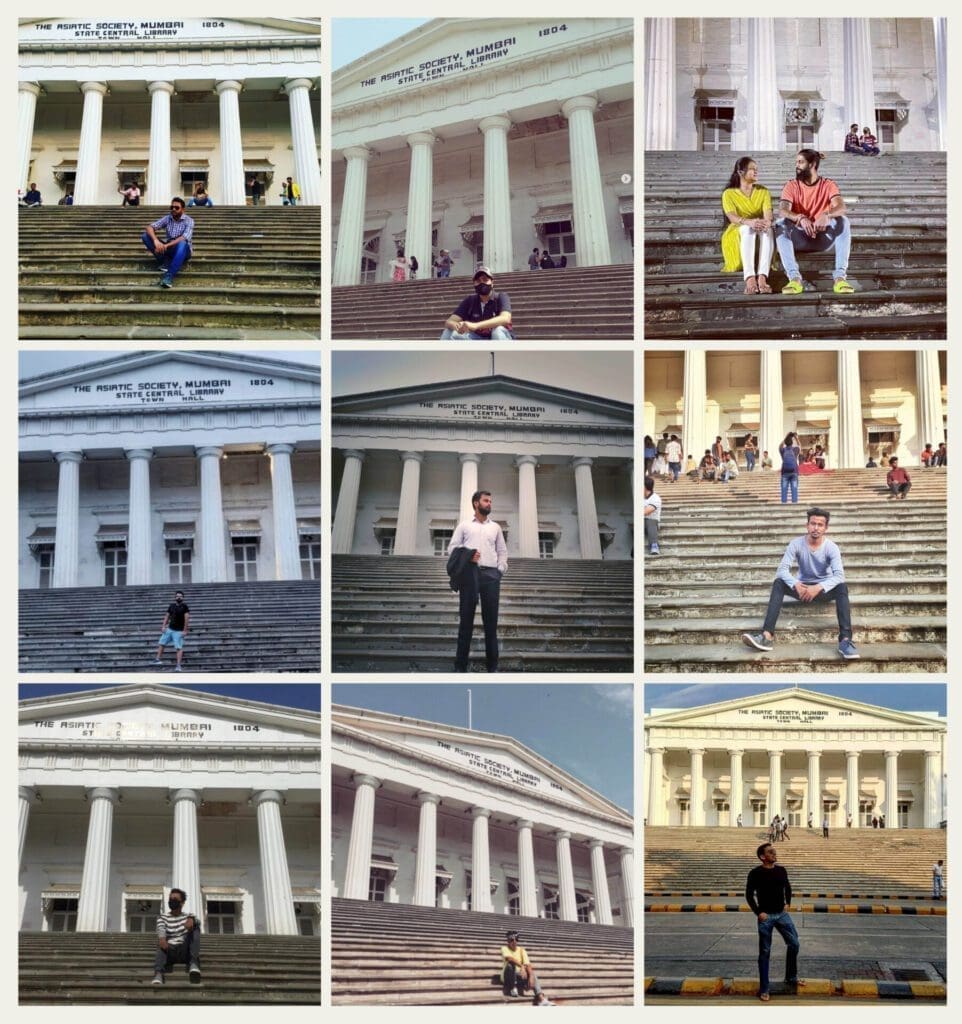
For every street cramped with one too many buildings, there’s the graffiti-covered bylanes of Bandra and the Instagram-famous steps of The Asiatic Society. For every calamity that has brought us to our knees (and god knows, we’ve had more than our fair share), there’s a spirit of resilience that’s hardwired into each of us, which means we bounce back stronger.
Love at first bite
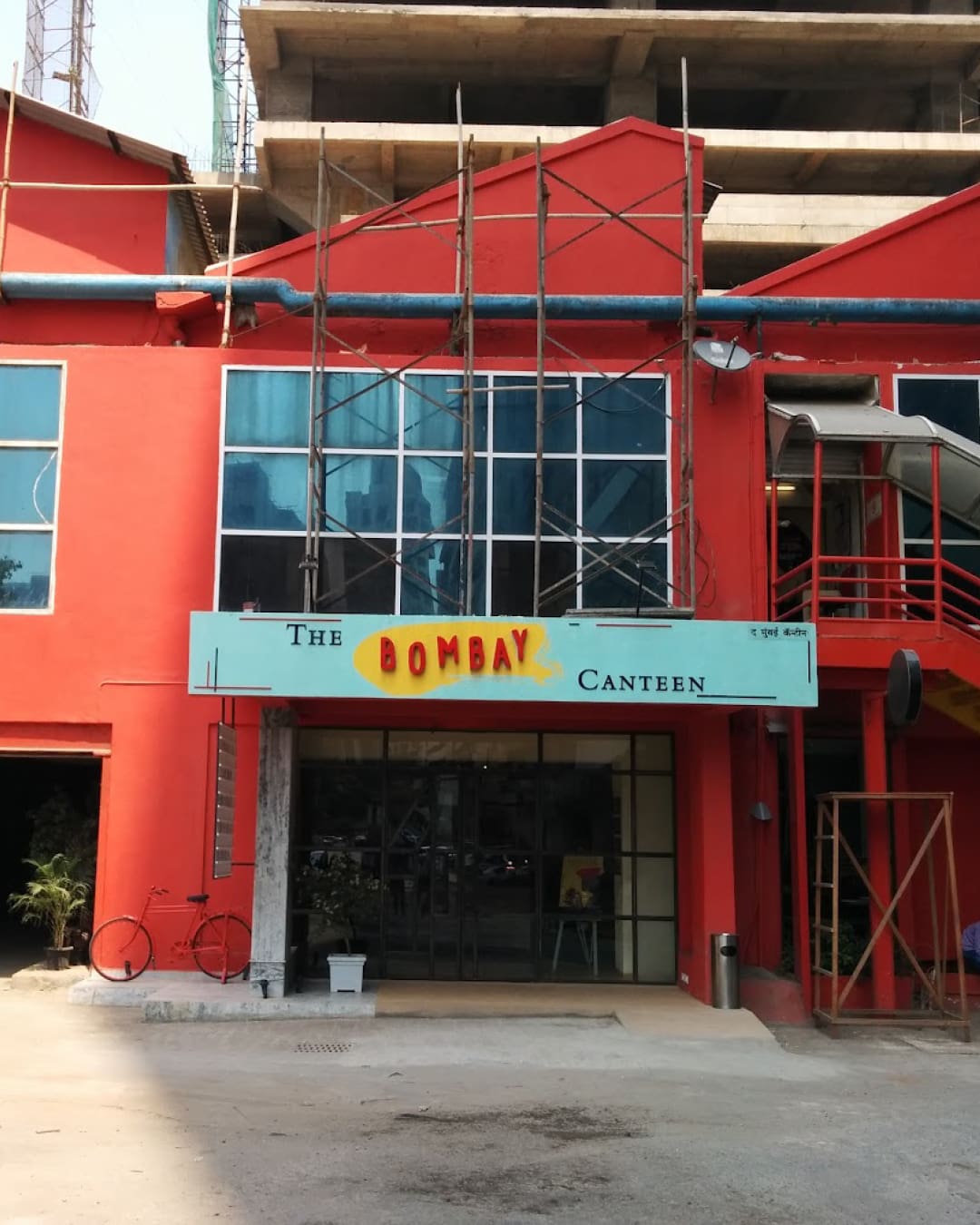
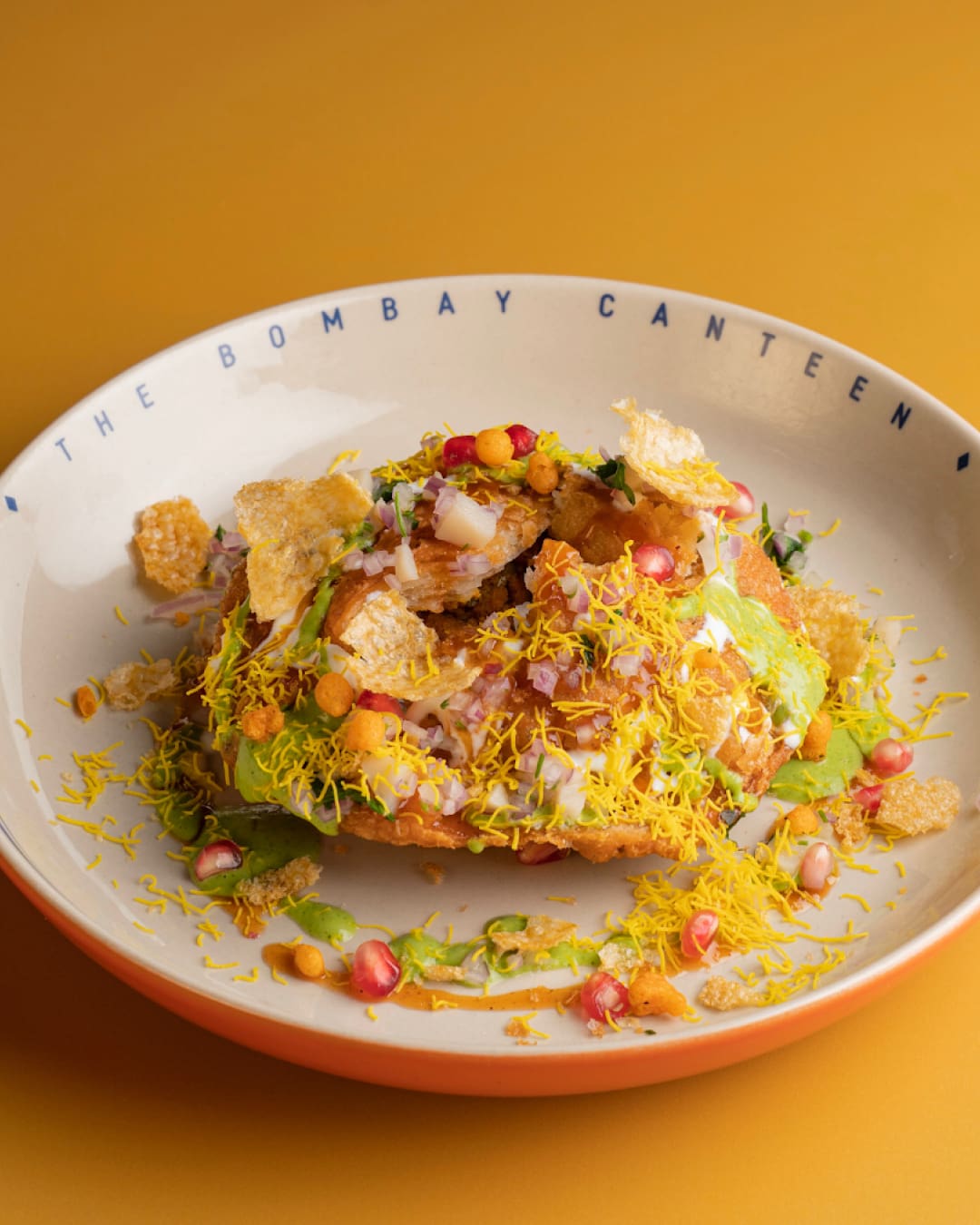
We take our food seriously. We love being hyperlocal and ingredient-driven (shout out to Masque and Ekaa) but can’t get enough of Asian fare either – Mizu for sushi, Izumi for ramen, Sun & Moon for tteok-bokki and Hakkasan for dim sum. Glamorous all-day restaurants (Mag Street Cafe) and Italian haunts (Americano) sit alongside neighbourhood cafes serving South Indian delicacies (Madras Cafe) and vendors whipping up local street food (misal pav, pav bhaji, bhel puri, and pani puri are must-tries). And few meals ever beat Bombay Canteen. (For more recommendations, check our Roadbook’s Mumbai restaurant guide).
A cortado to go, please
The current coffee wave prides itself on discussing cortados and cold brew with the fervor of a connoisseur at the newest ‘it’ coffee shop (Subko, I am looking at you). There are also plenty of hip, healthy joints for a smoothie pitstop (Kitchen Garden, among others). Then there are old-timers, where nostalgia keeps generations coming back – like Leopold Cafe, which even earns a starring role in Gregory David Roberts’s Shantaram.
The city that barely sleeps
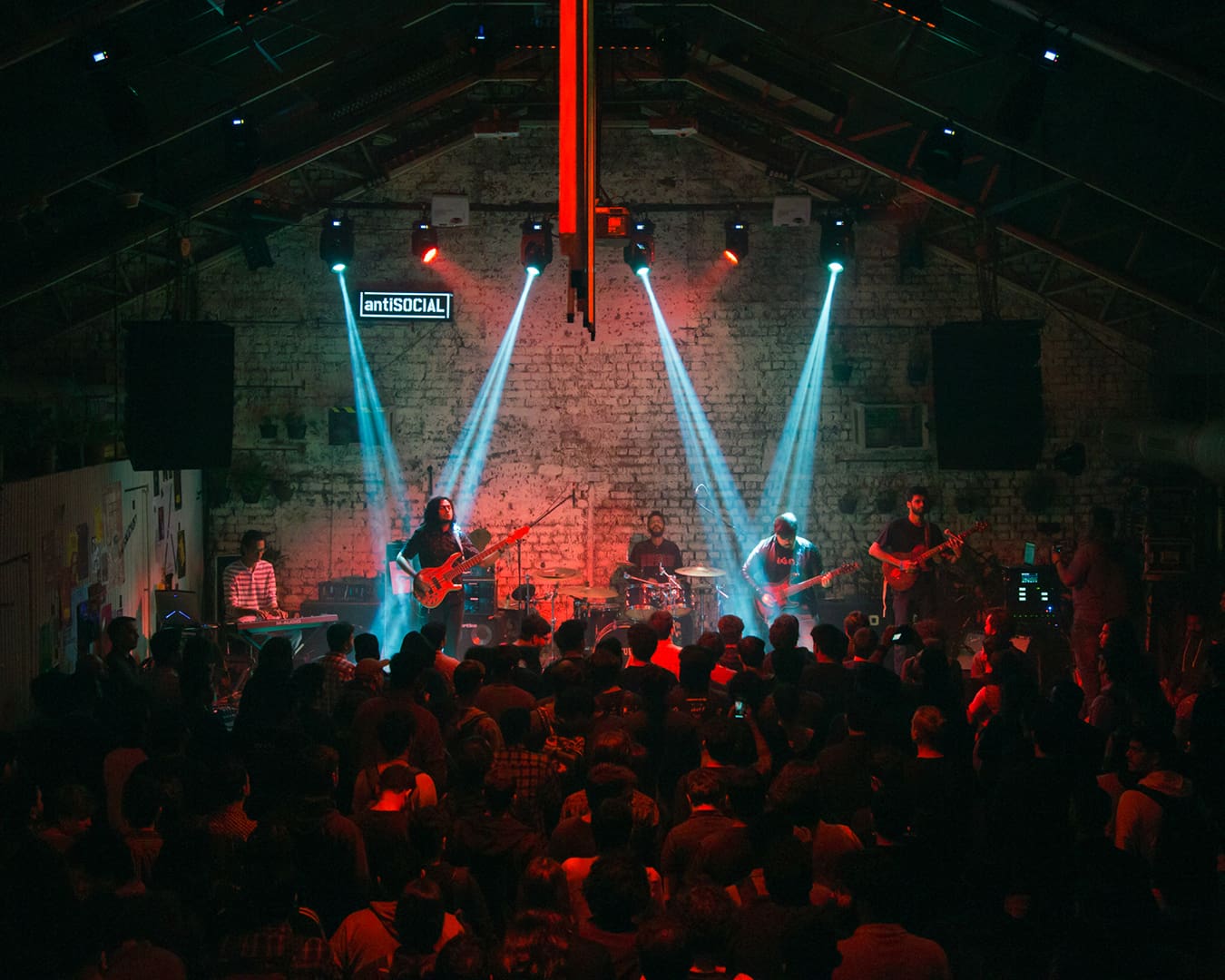
Mumbai’s nightlife may not be as notorious as it once was, but she’ll still show you a good time. Bookmark Bonobo and AntiSOCIAL for underground gigs, Bastian for its Bagatelle-like vibe and Soho House to party alongside reclusive Bollywood stars. Late nights must end with a 4am street-side bite (a kathi roll at Ayub’s in Fort, or a Manchurian roll from Sheetal in Khar).

Enthralling art
Ask an art enthusiast and they will point you to Kala Ghoda and Fort, home to some of the city’s leading galleries: Jhaveri Contemporary, Chemould Prescott Road and Project 88 among others, celebrating the best of contemporary Indian art. True insiders will recommend 47-A in the urban village of Khotachiwadi. Pop into fashion designer James Ferreria’s 200-year-old home-meets-store while you’re there.


