Galleries and museums defining Milan’s magnetic art scene
Milan’s art scene unfurls across historic palazzos and groundbreaking gallery settings, from a Rem Koolhaas-designed tower to a luminous glass landmark

Milan’s art scene is shaped by the interplay of design, fashion and architecture. While its cultural calendar peaks during Milan Design Week and Salone del Mobile each April, alongside the high-octane spectacle of Fashion Week, the city is a year-round magnet for contemporary culture.
Although it may not boast the Renaissance masterpieces of Florence or the classical antiquity of Rome, Milan distinguishes itself through innovation, forward-thinking programming and architectural prowess. Gallery buildings are as compelling as the works they house, often with design-conscious cafés, rooftop bars and bookshops that extend the experience.
Historic institutions such as the Pinacoteca di Brera and Triennale Milano sit alongside cutting-edge foundations and design-led spaces, alongside a burgeoning experimental scene. Miart, the city’s annual art fair, has also gained momentum in recent years, cementing Milan’s place as an increasingly important stop on the global art circuit.
Follow our guide to the city’s world-class art and design spaces.

Art institutions in Milan
Triennale Milano
Best for: A design institution on the edge of Milan’s most prestigious park
Address: Triennale Milano Viale Alemagna 6 20121, Milan
Price: Free entry; ticketed price for special exhibits
As Italy’s design capital, Milan is the natural home of the country’s most important design museum. Triennale Milano has occupied its Rationalist palace on the edge of Parco Sempione (Milan’s most beloved green space) since 1933. The museum originally served as the headquarters of the Triennale di Arte Decorativa, the international exhibition dedicated to decorative arts, architecture and industrial design. In 2007, it established the permanent Museo del Design Italiano, which traces the evolution of Italian design through iconic objects and archival material.
Beyond the permanent collection, the museum hosts a lively programme of temporary exhibitions, talks, screenings and workshops. Visitors can also explore Cuore, the Triennale’s research and archive centre, and – if you have kids in tow – Gioco, a play space dedicated to design and creativity. After your visit, stop for lunch or coffee at Cucina Triennale (ask to sit in the garden in spring and summer), browse the stylish design bookshop, or head to the rooftop restaurant for sweeping views across Milan, from nearby Castello Sforzesco to the towers of Porta Nuova.
Fondazione Prada
Best for: Miuccia Prada’s prestigious art complex with a Wes Anderson cafe
Address: L.go Isarco, 2, 20139 Milan
Price: Entry is 15 EUR
Together with Triennale Milano, Fondazione Prada is arguably one of Milan’s defining cultural institutions. Opened in 2015 by the Prada group and designed by architect Rem Koolhaas and his studio OMA, it occupies a former early-20th-century distillery in Largo Isarco on the city’s southern edge, now transformed into a striking contemporary arts centre.
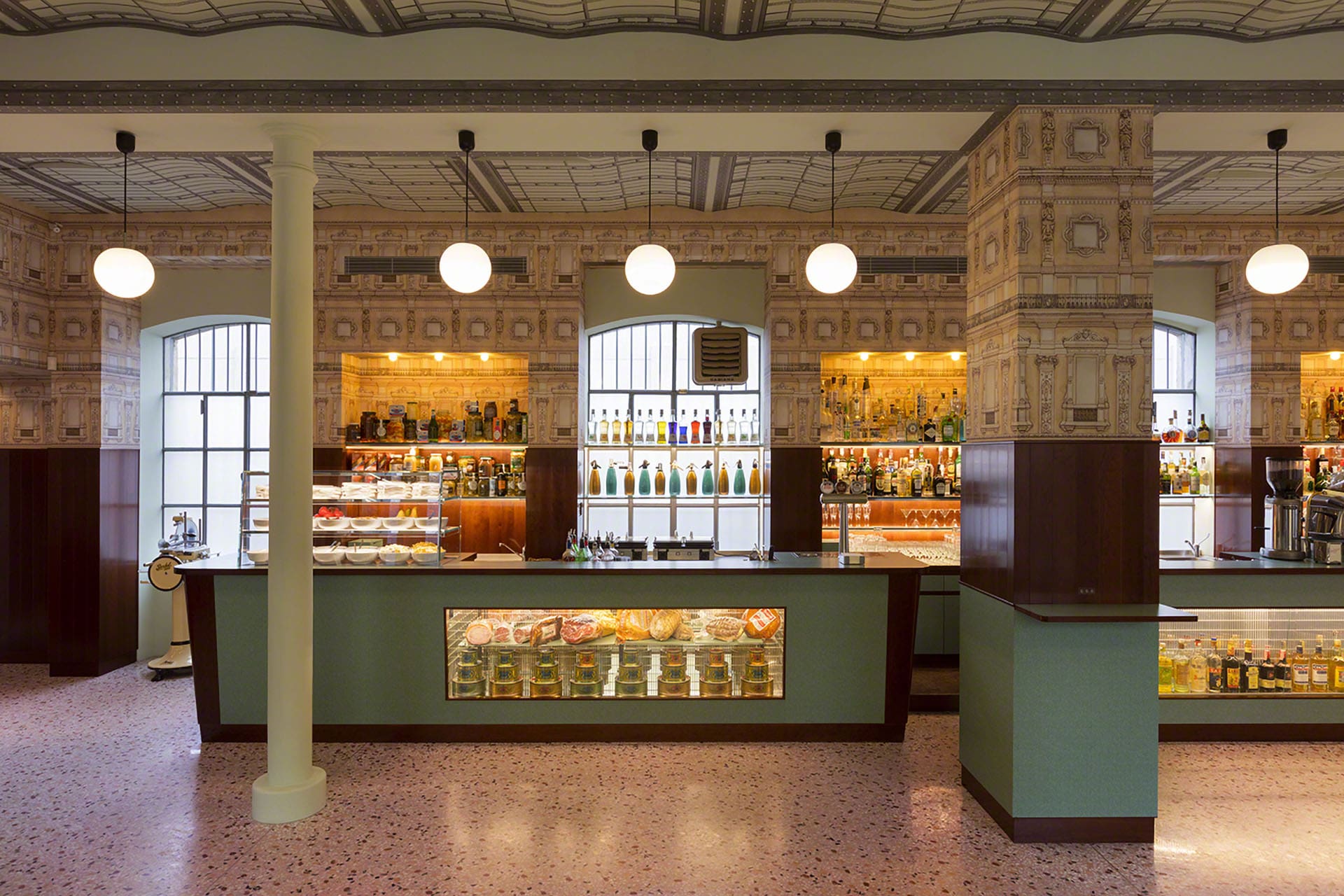
The architecture is reason enough to visit: restored warehouses meet bold additions in glass, concrete and aluminium, creating a compelling dialogue between the site’s industrial past and its contemporary forms. Highlights include the 24-carat gold-leaf–clad Haunted House, home to a permanent installation by Robert Gober in dialogue with two works by Louise Bourgeois; the nine-storey Torre, which houses the permanent contemporary art collection; Cinema Godard; and the much-photographed Bar Luce cafe, designed by filmmaker Wes Anderson – a perfect pit stop before or after a visit. The programme mixes thematic exhibitions and solo shows with film projects, music and live performances. Allow a couple of hours to take it all in.

Pirelli HangarBicocca
Best for: Contemporary art in a soaring industrial space
Address: Via Chiese, 2, 20126 Milan
Price: Free entry
Housed in a former Pirelli factory in Milan’s northern Bicocca district, Pirelli HangarBicocca is a striking contemporary art venue. Converted in 2012 into 10,000 square metres of exhibition space by Pirelli (the Milan-based tyre manufacturer), the vast industrial halls now host ambitious temporary shows by leading international artists alongside a rich programme of talks, screenings, concerts and performances. Don’t miss The Seven Heavenly Palaces, a monumental permanent installation by German artist Anselm Kiefer inspired by the mystical journey described in the ancient Hebrew text Sefer Hechalot. Comprising seven towering reinforced-concrete structures, some rising more than 15 metres high, it fills the cavernous Navate hall with a haunting, cathedral-like presence.
A sleek café, Iuta Bistrot, and a small but well-curated gift shop round out the offerings. Admission to all exhibitions is free, though reserving a time slot online guarantees priority access. While Bicocca sits outside the city centre, the space is well worth the trip.

ADI Design Museum
Best for: A deep dive into Italian design
Address: Piazza Compasso d’Oro 1, 20154 Milano MI, Italy
Price: Entry is 15 EUR
The ADI Design Museum opened in 2021 to showcase the historical collection of the ADI Compasso d’Oro Foundation, linked to ADI – Associazione per il Disegno Industriale, the organisation behind Italy’s most prestigious design prize. Housed in a former industrial complex spanning around 5,000 square metres, it is one of Europe’s largest museums dedicated to design. Its core collection features more than 2,000 objects that have received the Compasso d’Oro since the prize was established in 1954, offering a sweeping overview of Italian design innovation.
Alongside the permanent displays, the museum hosts temporary exhibitions, talks and workshops, as well as a library, archive and design bookshop. Before you leave, stop for a coffee at the on-site ADI Design Bistro, then wander over to nearby Chinatown. Note that it’s closed on Friday, so plan your trip accordingly.
Case Museo
Best for: The preserved homes of Milan’s illustrious collectors
Address: Across the city
Price: Entry is 25 EUR for all 4 houses
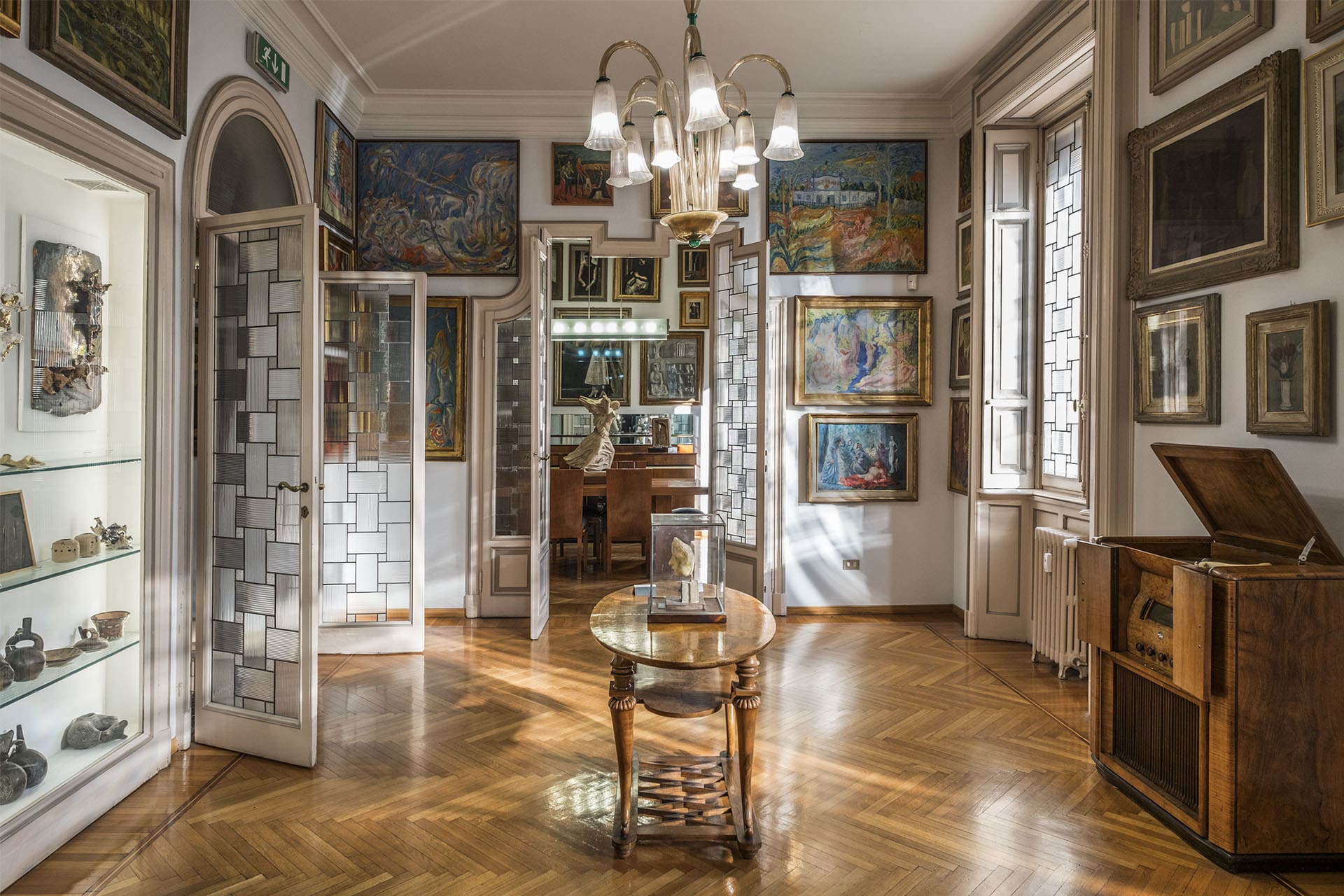
Want to see how Milan’s art collectors once lived? Start with the city’s historic house museums. The Case Museo di Milano links four remarkable residences – Museo Bagatti Valsecchi, Museo Poldi Pezzoli, Villa Necchi Campiglio and Casa Museo Boschi di Stefano – each preserving the homes and collections of some of the city’s most passionate patrons.
At Museo Bagatti Valsecchi, antique arms, paintings and sculptures fill a lavish house in the heart of Milan’s Quadrilatero della Moda, created by brothers Fausto and Giuseppe Bagatti Valsecchi as a meticulously staged Renaissance-style dwelling. Near Teatro alla Scala, Museo Poldi Pezzoli displays Old Master paintings, jewellery and decorative arts among more than 5,000 objects assembled by a devoted Milanese collector. In the Porta Venezia district, Casa Museo Boschi di Stefano reveals a 20th-century apartment lined with modern Italian art from Fontana to Morandi, while nearby Villa Necchi Campiglio (the most cinematic of the four) is a 1930s Rationalist villa surrounded by gardens and a swimming pool. Visit all of them for a vivid portrait of Milan’s cultural life across the centuries.

Museo del Novecento
Best for: A tribute to 20th century Italian art beside the Duomo
Address: Palazzo dell’Arengario, P.za del Duomo, 8, 20123 Milano MI, Italy
Price: Entry is 13 EUR
Those keen to explore Italy’s modern and contemporary art should head to Museo del Novecento, located right beside the Duomo. Occupying the mid-century Palazzo dell’Arengario, the museum houses nearly 400 works tracing the evolution of Italian art across the 20th century. The chronological display begins with The Fourth Estate (1902) and moves through key avant-garde movements, including Futurism, abstraction and post-war conceptual art, with works by Giorgio de Chirico, Piero Manzoni and others.
The highlight, however, is the top-floor gallery devoted to Argentine-Italian artist Lucio Fontana, where his Spatialist works are displayed against sweeping views of Piazza del Duomo. Visit after dark to see his neon installation glowing above the square, then head to the nearby Camparino in Galleria for a quintessential Milanese aperitivo.

MUDEC
Best for: A factory-turned fluidic cultural destination in trendy Tortona
Address: Via Tortona, 56, 20144 Milano MI, Italy
Price: Free entry; ticketed price for special exhibits
MUDEC – Museo delle Culture opened in 2015 in Milan’s creative Zona Tortona district, on the site of the former Ansaldo industrial complex, once home to the historic Italian engineering firm. Designed by British architect David Chipperfield, the building centres on a striking covered Agorà – a luminous glass courtyard that links the exhibition galleries and forms the heart of the museum. Its soft, curved roof contrasts with the geometric lines of the surrounding structure, making it one of the building’s most distinctive features.
Besides the noteworthy architecture, the museum is dedicated to the study and presentation of world cultures, drawing on Milan’s ethnographic collections, many formerly housed at Castello Sforzesco. Temporary exhibitions explore global cultures, anthropology and photography, while a design store, auditorium and restaurants make it a compelling stop in one of Milan’s most creative neighbourhoods.
Grande Brera
Best for: Rare collections across three Milanese institutions
Address: Via Brera, 28, 20121 Milano
Price: Entry is 20 EUR
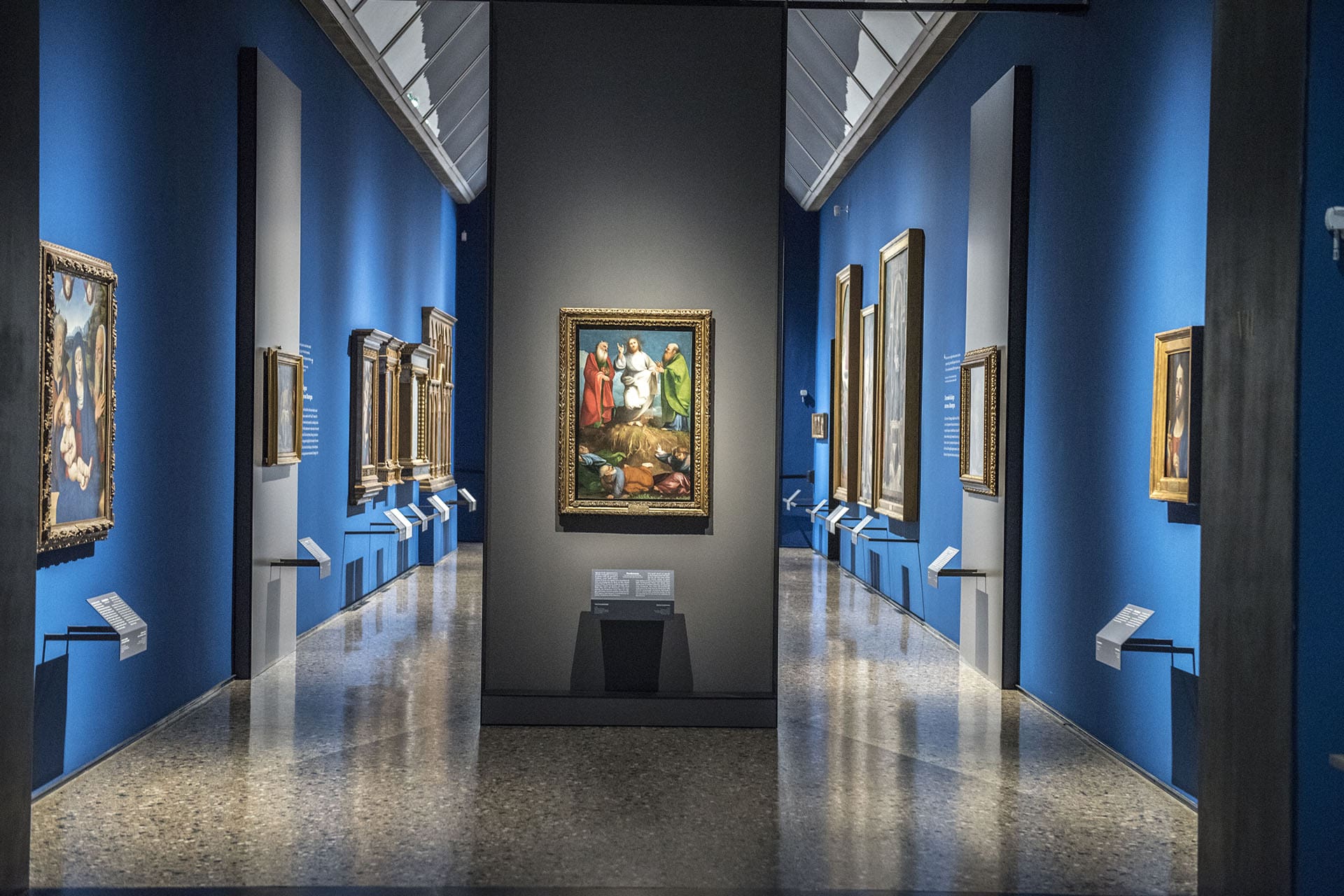
If ancient, classical and modern art is your jam, the Grande Brera cultural project should be high on your Milan must-see list. The hub brings together the Pinacoteca di Brera, the Biblioteca Nazionale Braidense, and Palazzo Citterio, which opened in 2024 to complete a long-awaited expansion, creating a true “citadel of the arts” in the heart of the boho-chic Brera district.
The first two are housed in the stately 17th-century Palazzo Brera. The Braidense is one of Italy’s most important libraries, with more than 1.5 million volumes and rare manuscripts, while the Pinacoteca holds a world-renowned collection of Italian painting from the 13th to the 20th centuries, including masterpieces by Raphael, Andrea Mantegna, Caravaggio and Francesco Hayez.
A short walk away, the 18th-century Palazzo Citterio displays more than 200 works of modern art by artists such as Umberto Boccioni, Giorgio Morandi, Amedeo Modigliani and Pablo Picasso. Once you’re done admiring, go back to Palazzo Brera and step into the tucked-away Orto Botanico di Brera, a botanical garden dating back to 1774 that is open to the public. It’s a truly restorative pause in the heart of the city.

Nilufar Depot
Best for: Major design destination from gallerist Nina Yashar
Address: Viale Vincenzo Lancetti, 34, 20158 Milan
Price: Free
In Milan, design isn’t just the preserve of museums. Enter Nilufar Depot, one of the city’s most influential design galleries. Run by legendary gallerist Nina Yashar, whose Nilufar Gallery has been a fixture on Via della Spiga since 1979, the sprawling Depot is located near the Isola neighbourhood and houses her extraordinary collection of vintage and contemporary design. Located in a former industrial warehouse, the space unfolds across three levels of black metal balconies surrounding a central atrium (an arrangement inspired by Teatro alla Scala), with each floor presenting carefully staged rooms filled with rare furniture, lighting and collectible design pieces. Even if you’re not in the market to buy, the displays are endlessly inspiring. During Milan Design Week, the Depot becomes one of the city’s most atmospheric design destinations.

Independent art galleries in Milan
Dep Art Gallery
Best for: Contemporary art near near Porta Romana
Address: Via Comelico, 40/cortile interno, 20135 Milano MI, Italy
Price: Free entry
Dep Art Gallery (short for “Distribution and Art Promotion”) has built a strong reputation for representing Italian and international artists from the 1960s and ’70s – particularly those working in abstraction, kinetic and optical art – alongside younger creative voices. Owned by Antonio Addamiano, the gallery occupies a minimalist two-storey space on Via Comelico, a quiet residential street in the elegant Porta Romana neighbourhood, where displays are carefully arranged to create a dialogue with the sleek white-and-grey interiors.
Exhibitions are developed with artists or their estates and independent curators, and are accompanied by catalogues or bilingual monographs – part of the gallery’s expanding editorial programme as a publisher in its own right.
While in the area, take time to explore Porta Romana’s stately streets and excellent food scene, from the celebrated Trippa restaurant to the stylish Bar Paradiso for a drink.
Clima Gallery
Best for: An incubator for emerging talent
Address: Via Lazzaro Palazzi, 3, 20124 Milan
Price: Free entry
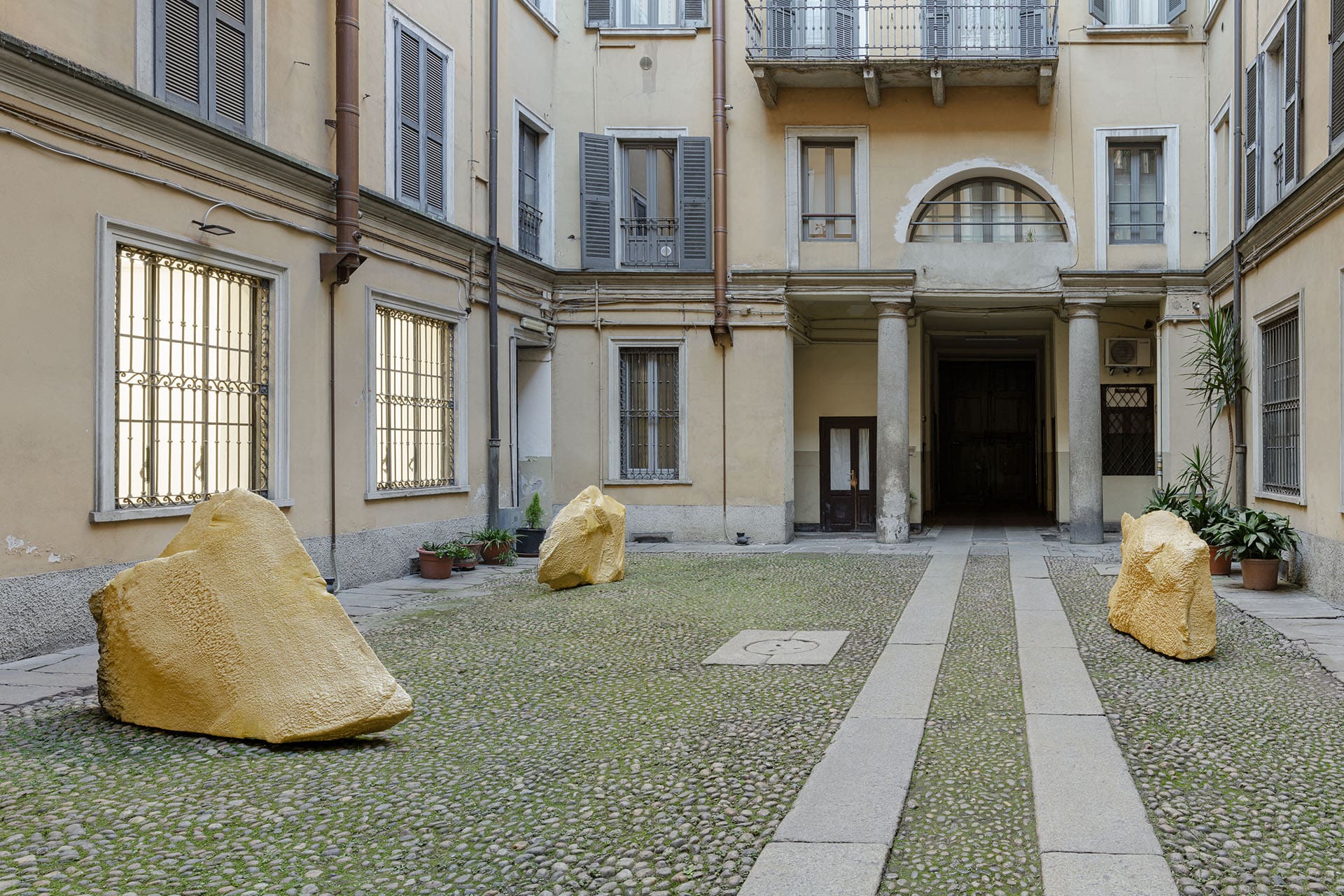
You might walk straight past Clima Gallery the first time you visit: the indie space is tucked inside the courtyard of a traditional Milanese palazzo, in the vibrant Porta Venezia district. Founded in 2016 by Francesco Lecci, with Clarissa Grechi joining as partner in 2021, the gallery moved to its current venue in 2023 from an apartment nearby, yet has retained the intimate spirit that first defined its programme.
Clima champions emerging Italian and international artists through sharp, curator-led shows that foreground experimental practices and unconventional ideas. The result is a compelling window onto the work of early-career artists, from solo presentations to group exhibitions.
Visit in the afternoon, then spend the evening bar-hopping in Porta Venezia (a few favourites: Bar Picchio, Osteria alla Concorrenza, Bar Sandøy).
Matta Gallery
Best for: Experimental and multidisciplinary art
Address: Via Privata Giacomo Favretto, 9, 20146 Milan
Price: Free entry
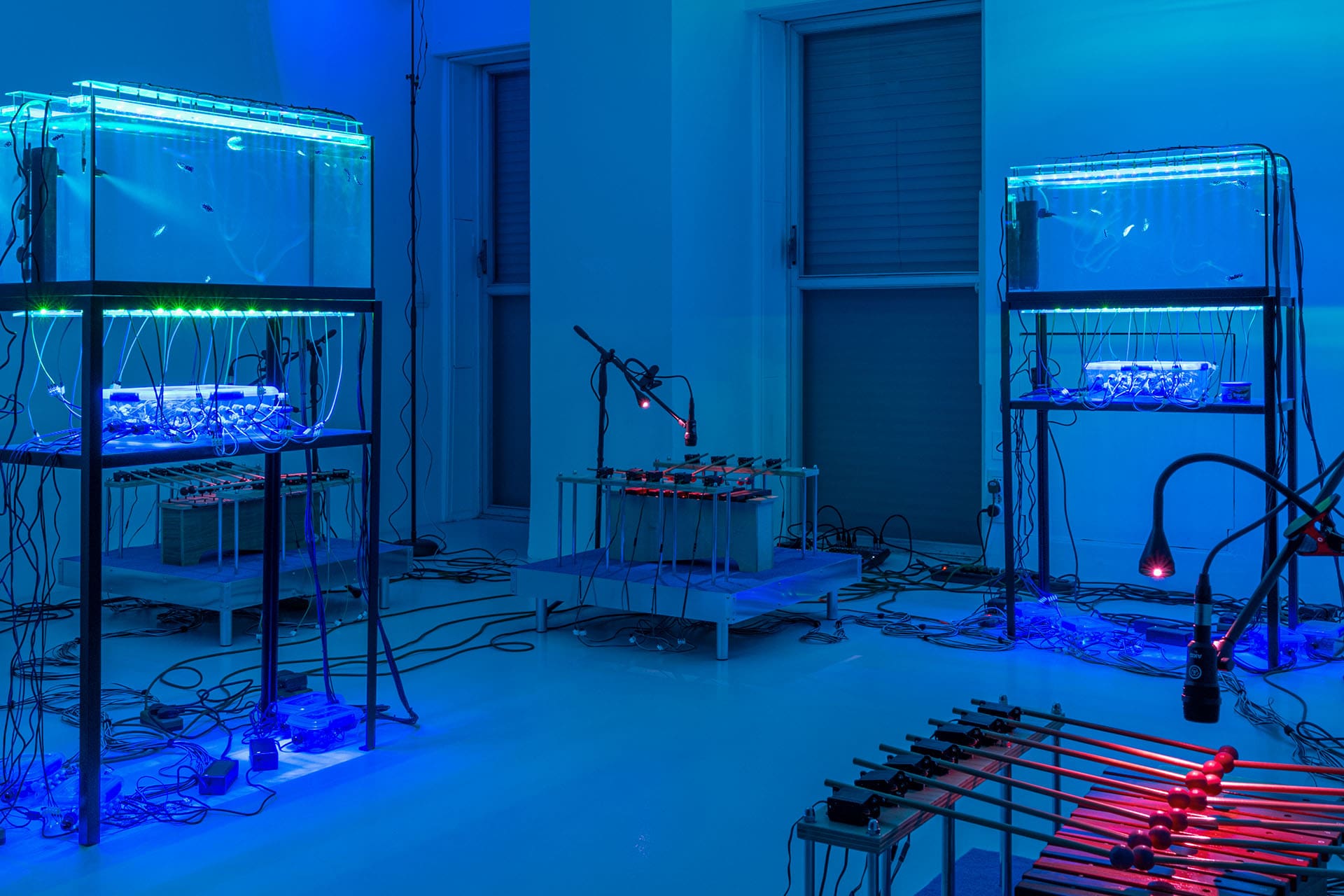
Indie space Matta Gallery is among Milan’s more experimental galleries. Established in 2022 by young gallerists Giulio Rampoldi, Pierfancesco Petracchi and Pietro Rossi, the project embraces what its founders describe as a “nomadic and interdisciplinary” approach, treating exhibition venues as part of the artistic concept itself, and bringing together visual art with music, poetry and performance. Emerging artists are put front and centre here, as are concept-driven exhibitions and collaborative projects.
After its early chapter in the historic Palazzo INA on Corso Sempione, the gallery relocated in 2025 to the Solari district in south Milan, moving into a larger venue designed to encourage dialogues between different artistic mediums. Expect boundary-pushing shows whenever you visit.